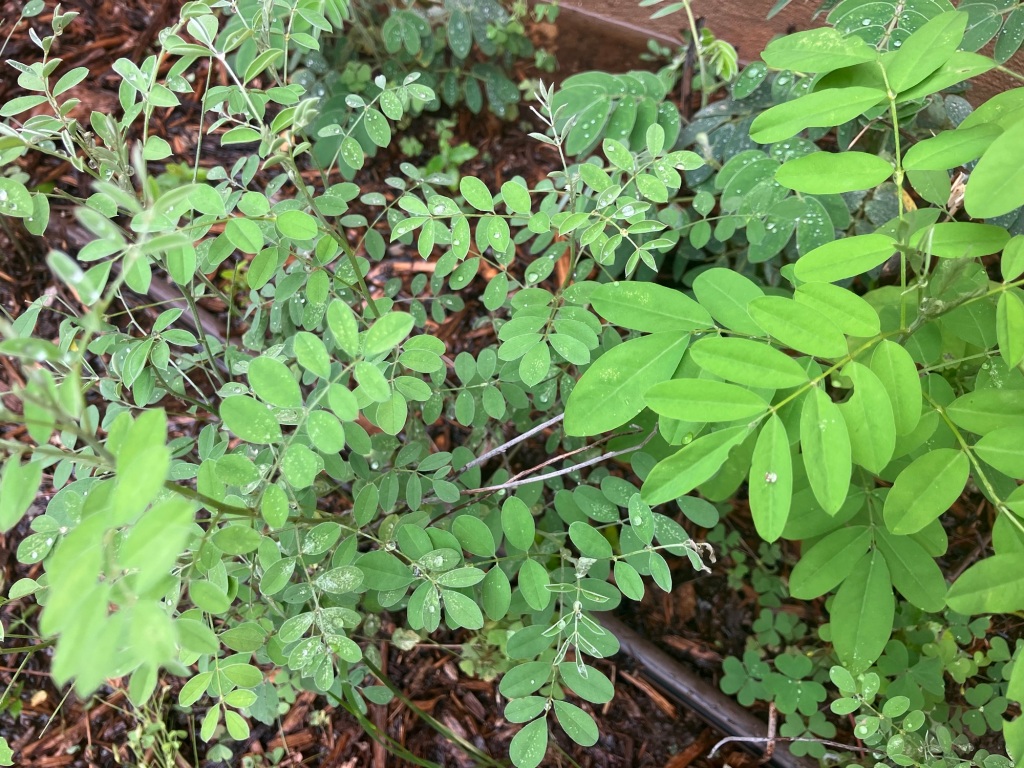
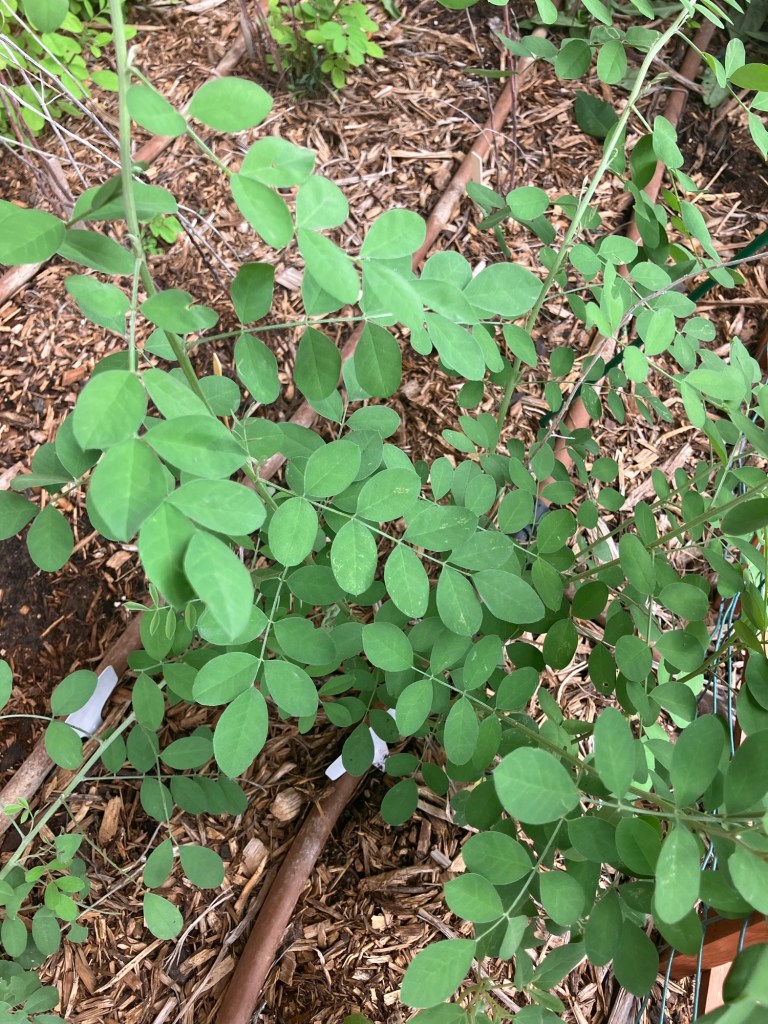
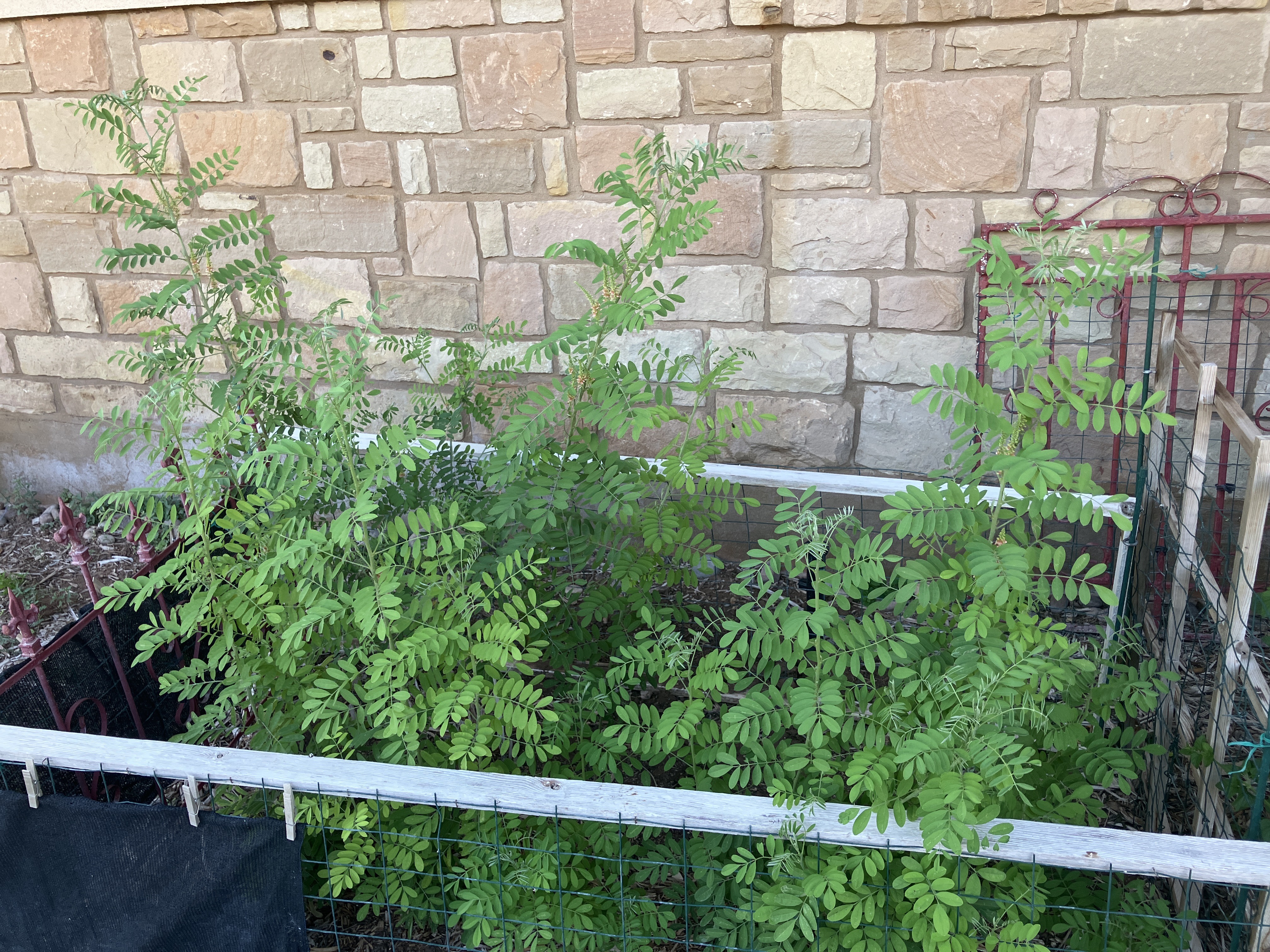
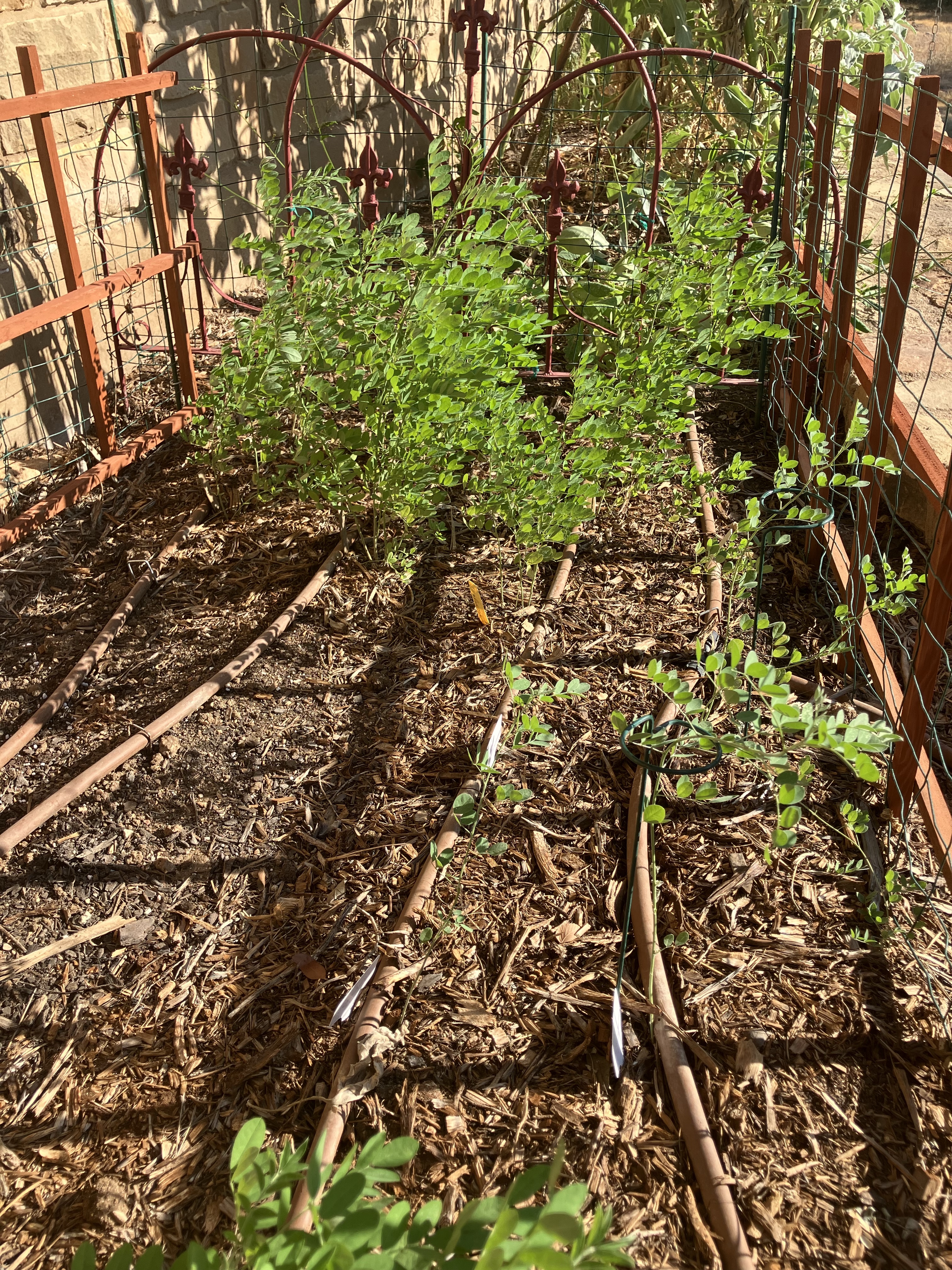
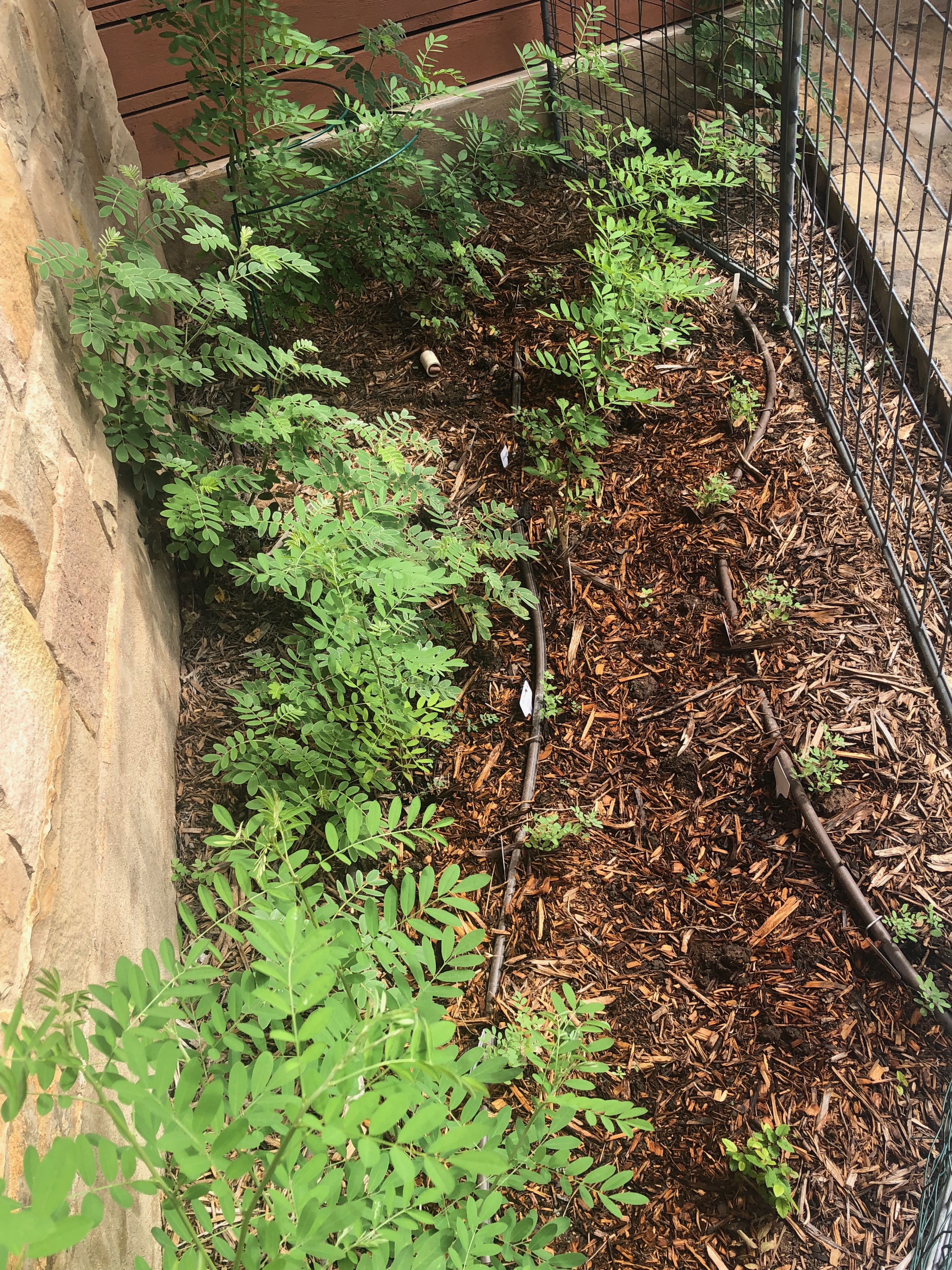
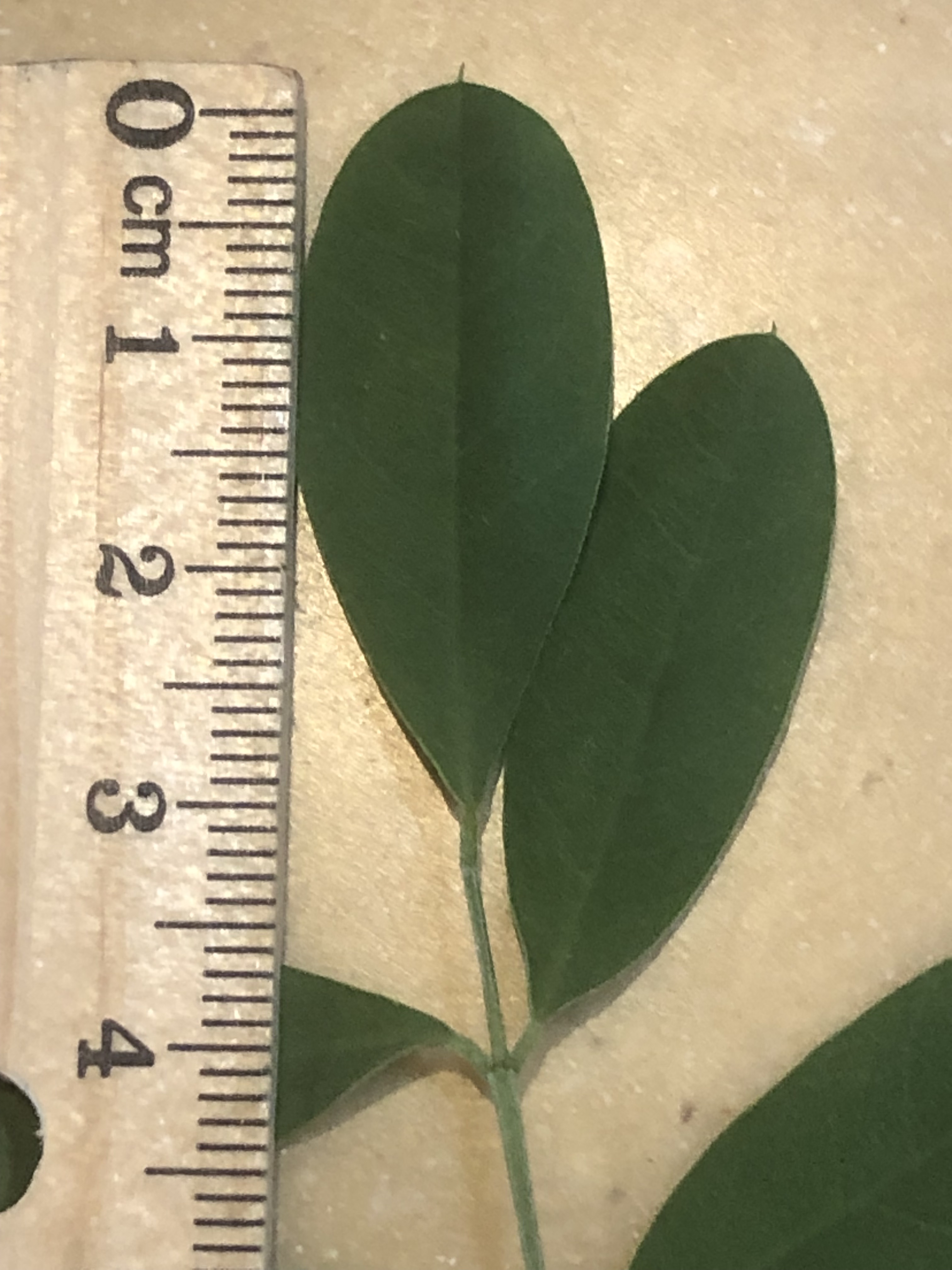
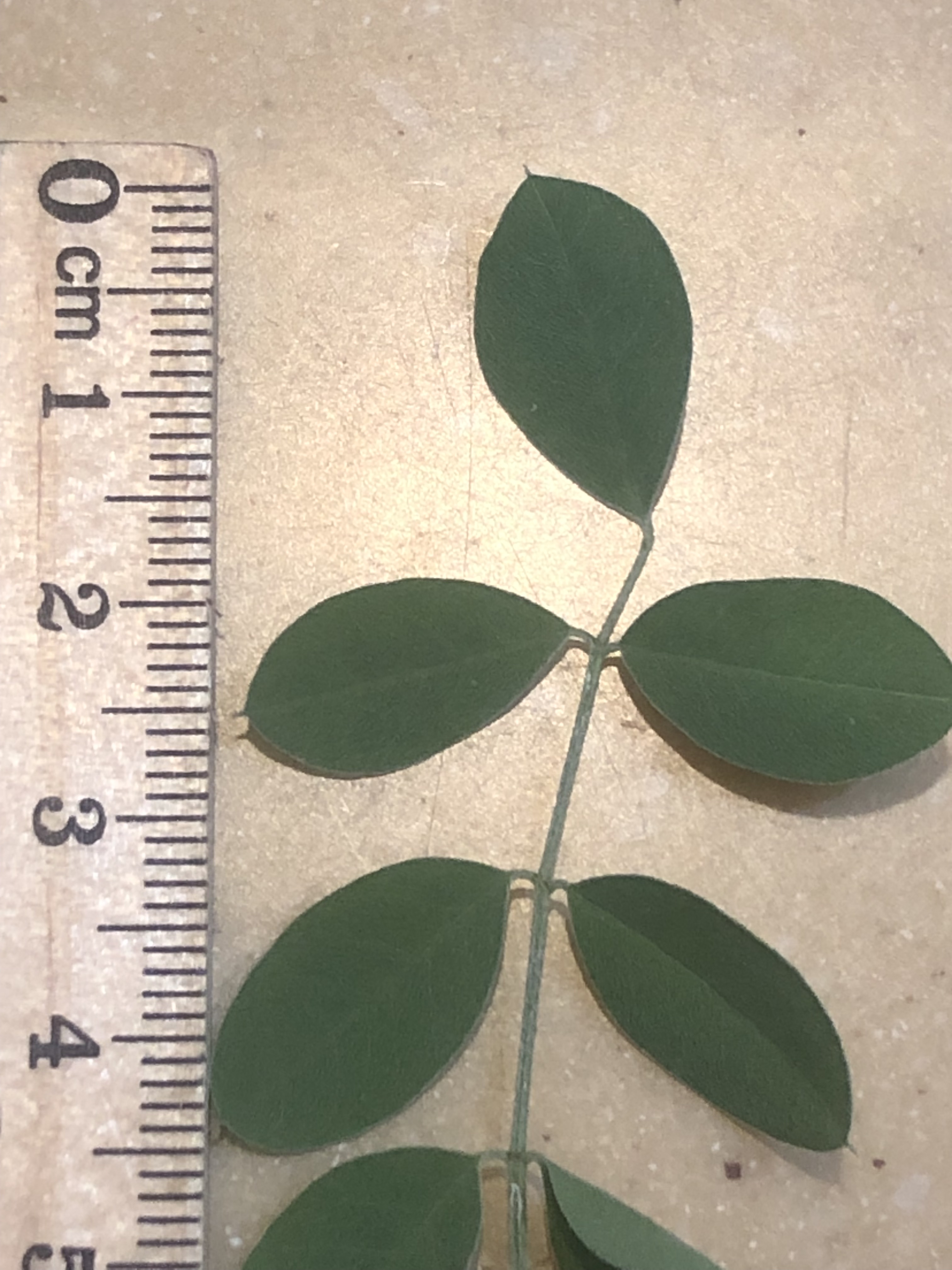
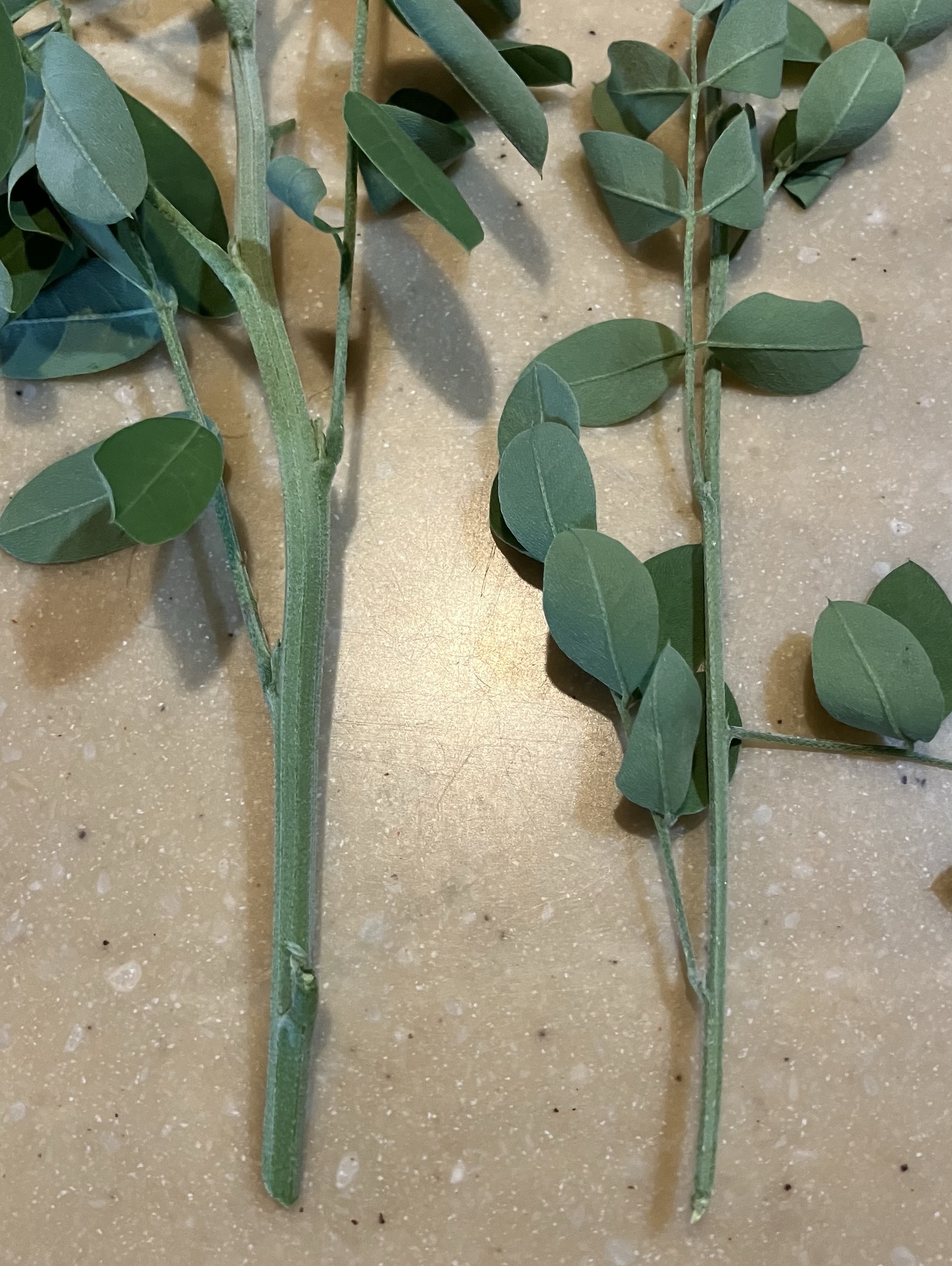
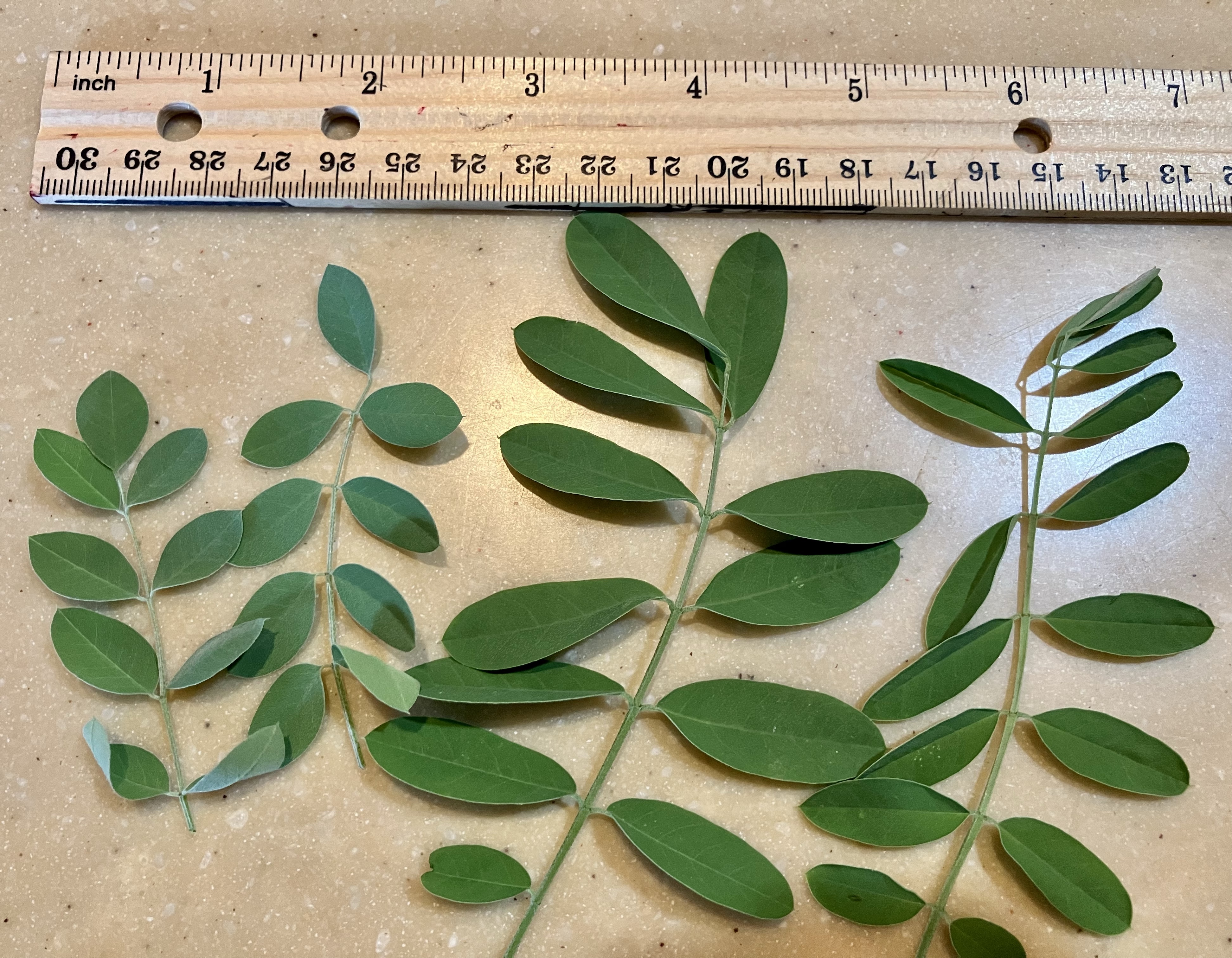
Posting for info 3 species of indigo, 2nd year plants …1st shows both Indigofera Lindheimera on the left and Indigofera Suffruticosa on the right, note leaf size difference. In 2nd photo is the Bastrop mystery indigo plant which I believe is Indigofera Caroliniana. Last year’s drought defeated bloom attempts, hoping I can get some blooms into seed so I have additional ID info this season. Happily all of these made a repeat appearance this second year. Definitely different size/shaped leaves on all 3 plants, IL Dainty, IS Long or Bastrop Roundish.
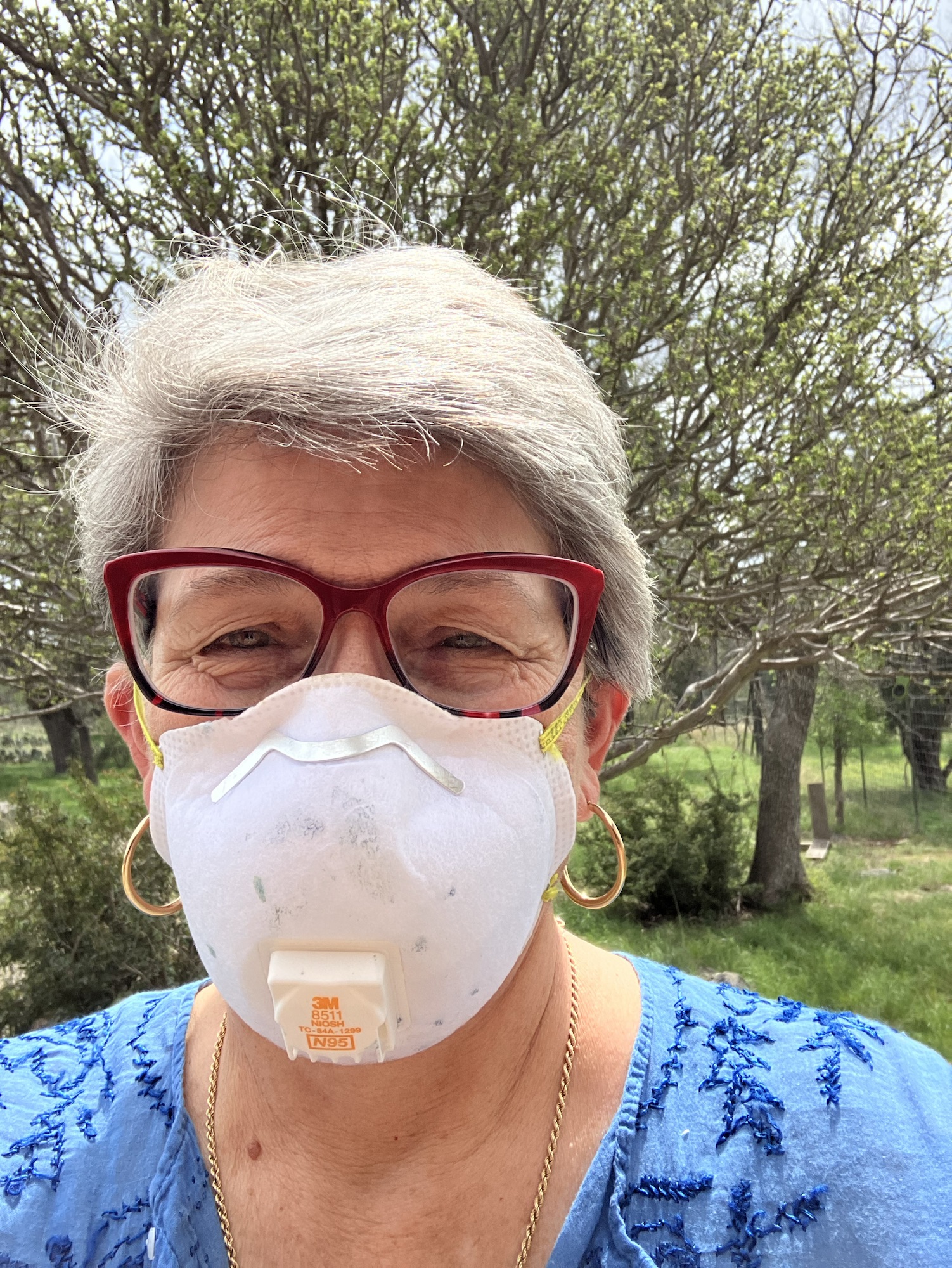
Let the mixing begin. I only wore my mask till all the powders were wetted out and not floating in the air. Now watching the heat. A watched vat does not get hot fast. Thanks to everyone that mixed before me in the February class by Elisabeth so I could ponder the process. Here is a link to her classes.
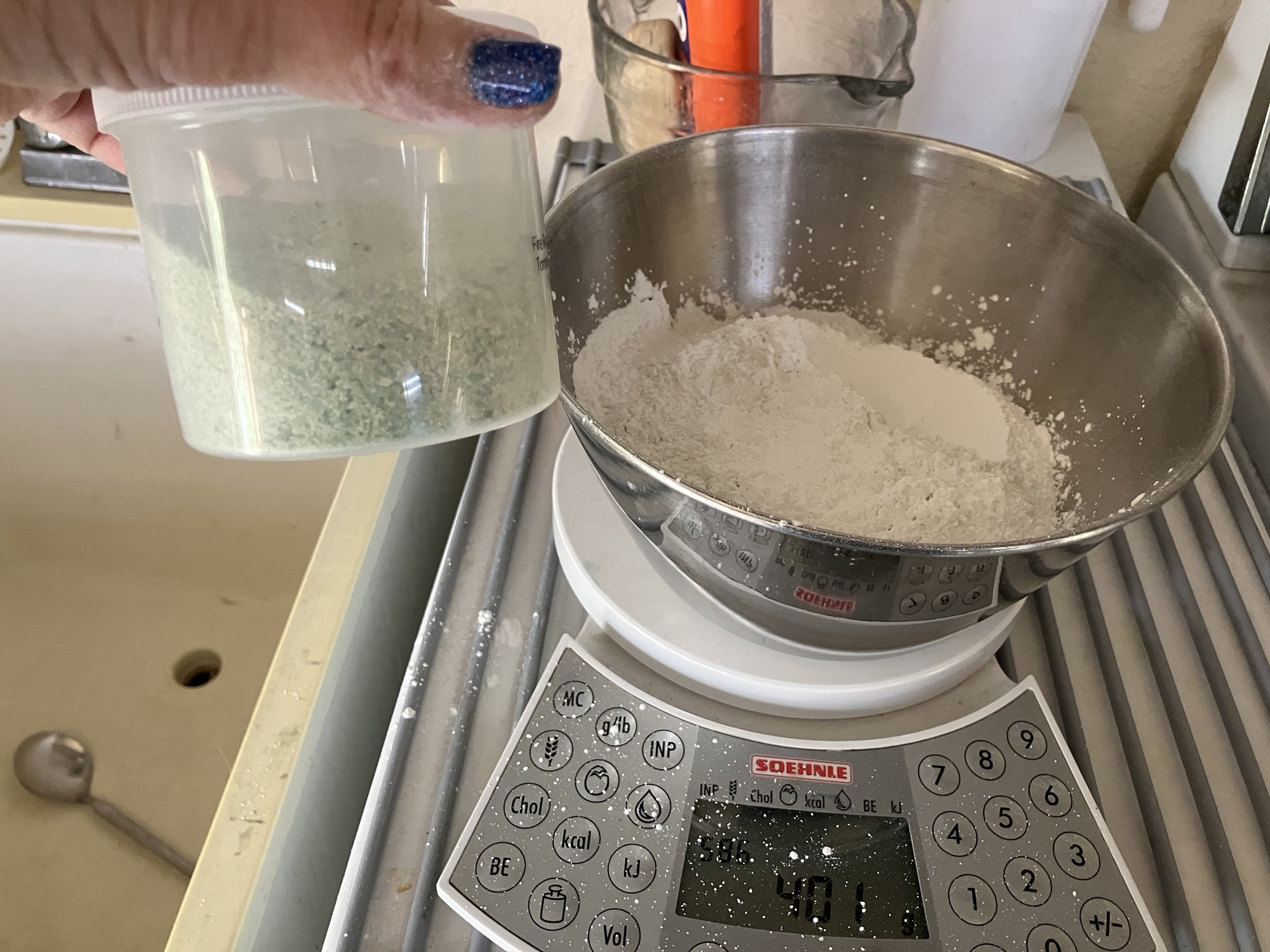
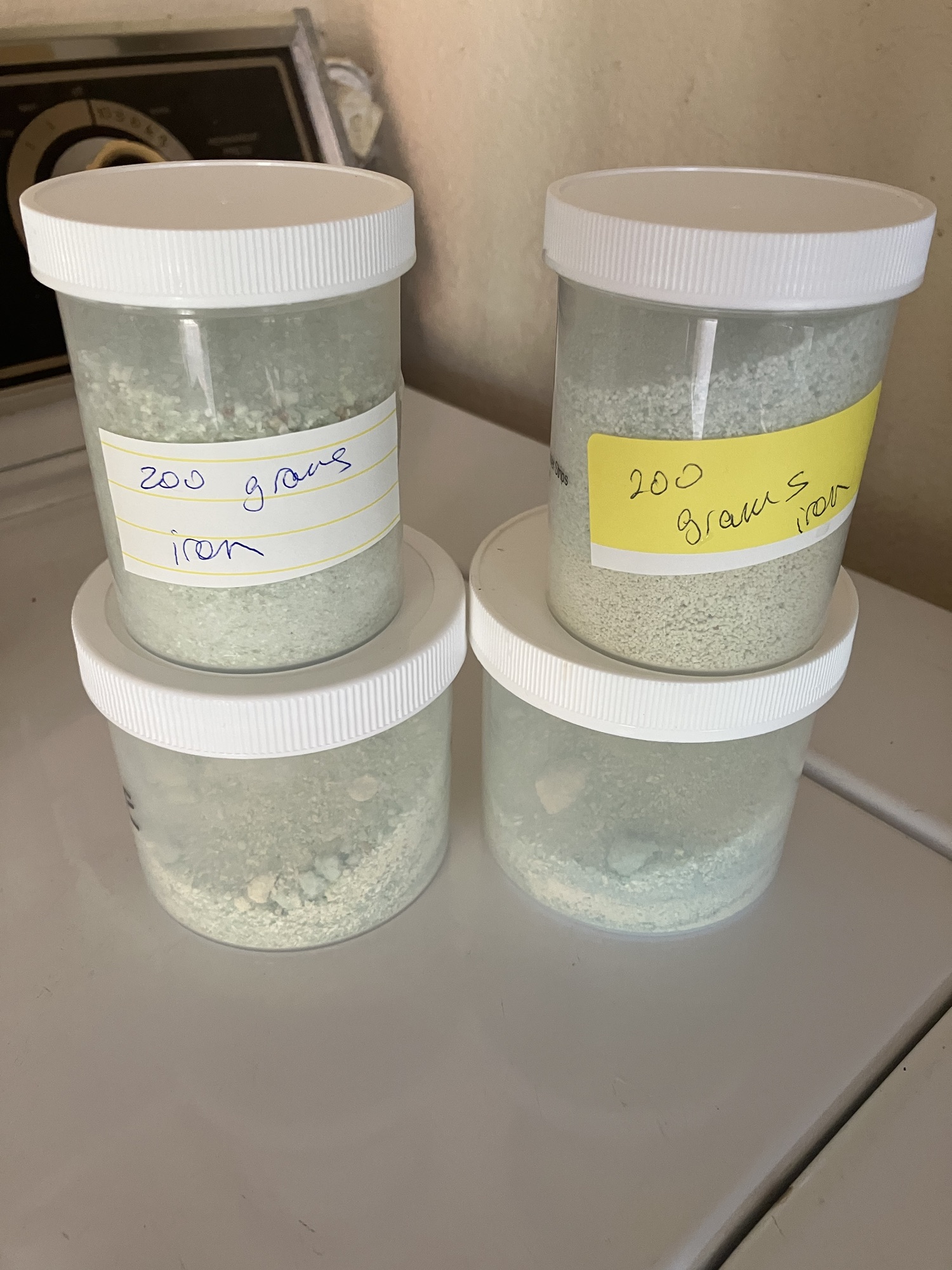
Ferrous sulfate and calcium hydroxide measured out. Got an idea of dry volume and water needed to dissolve.
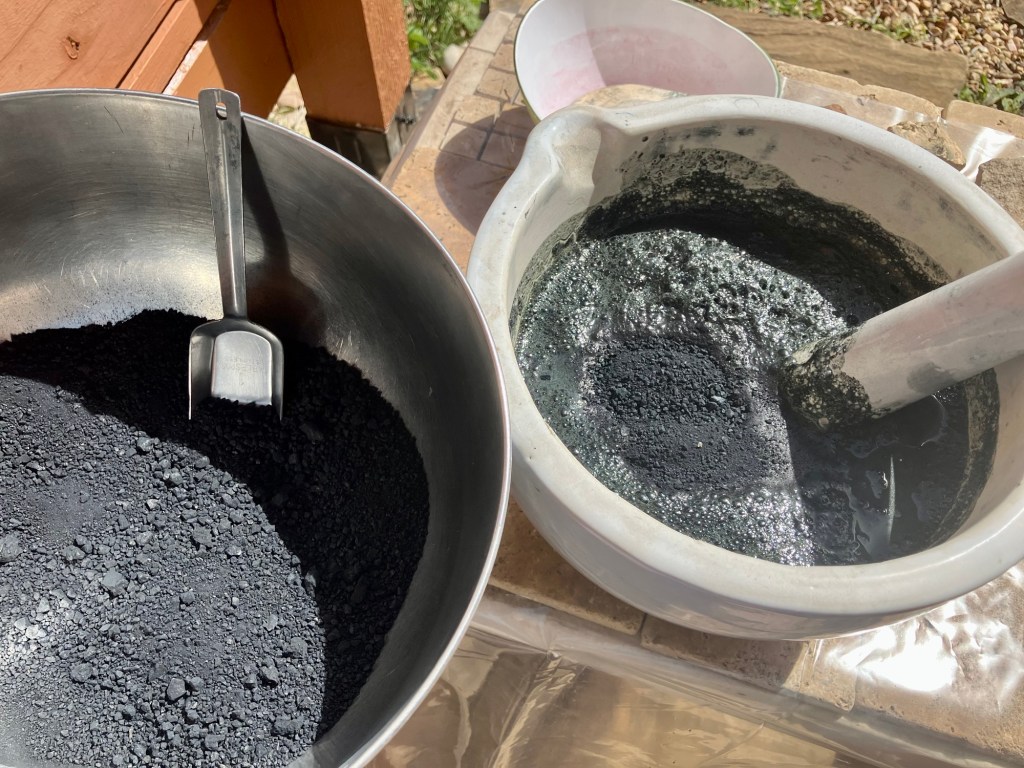
Pasted indigo gets one more stir to suspend pigment in the water. I left it overnight to let lumps soften & settle.
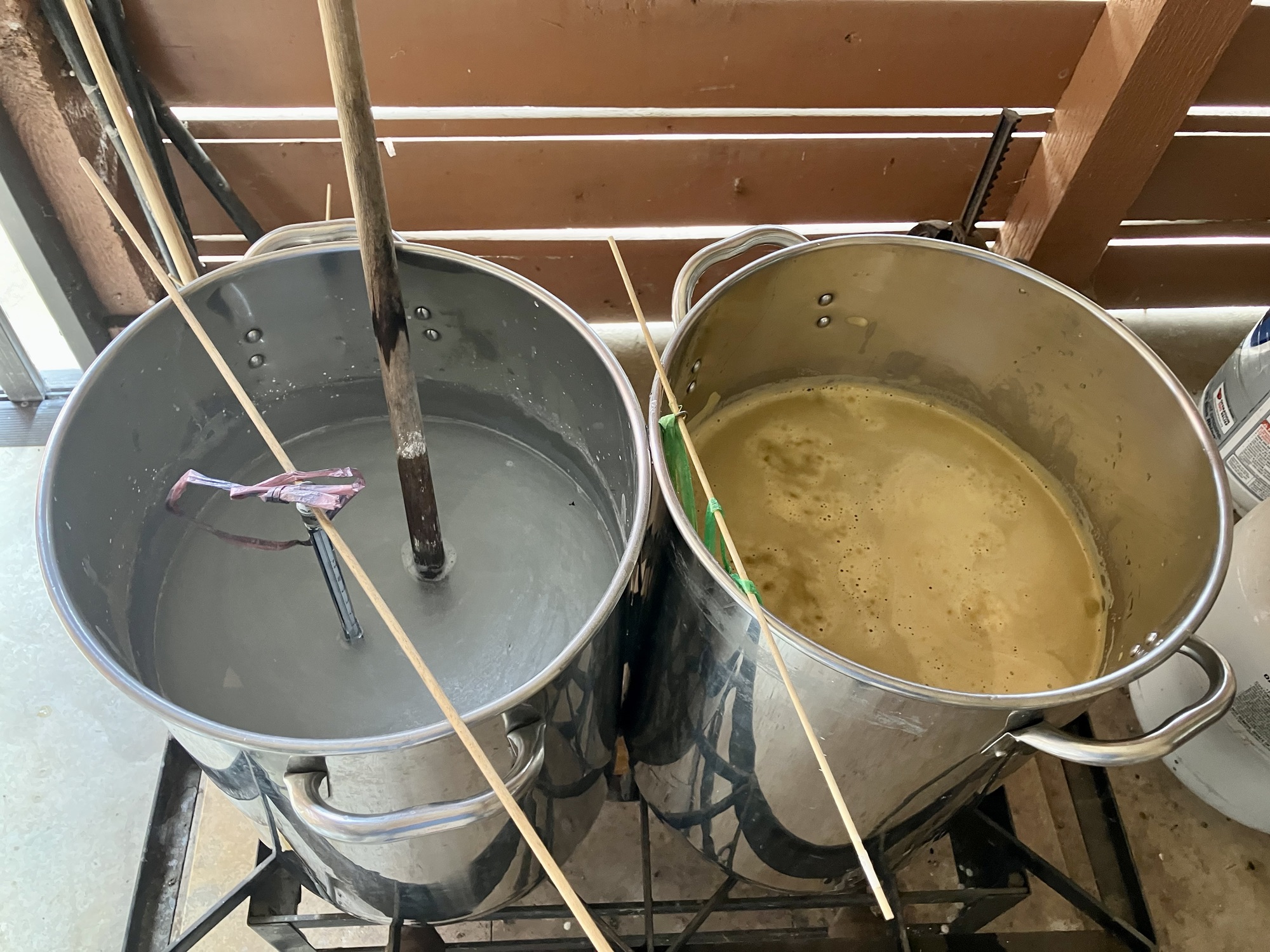
Vessels have heated water and ingredients added to dissolve
Mental note, this vat has an indent on the bottom I need to stir into and around. Wish I had measured the width before I started dumping ingredients into the vat. There is always an “if only”.
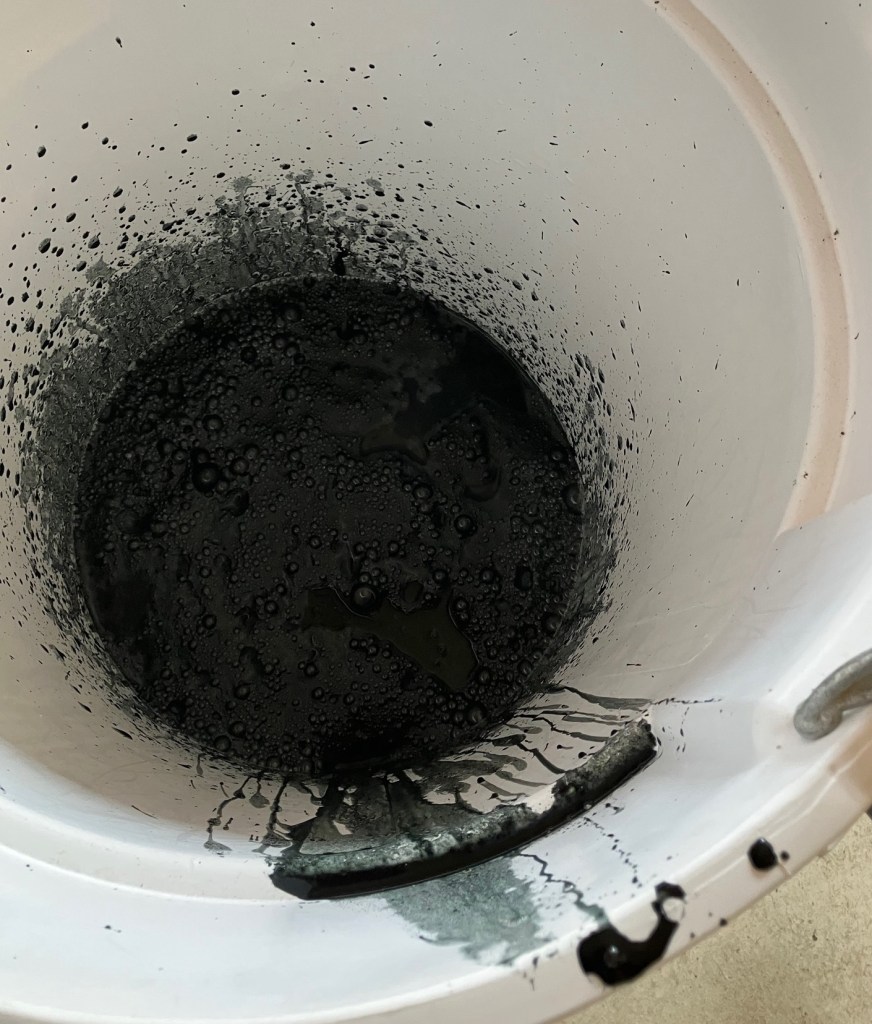
And splat! I wish I could set up neat & tidy but I always find a way to drip with large vats.
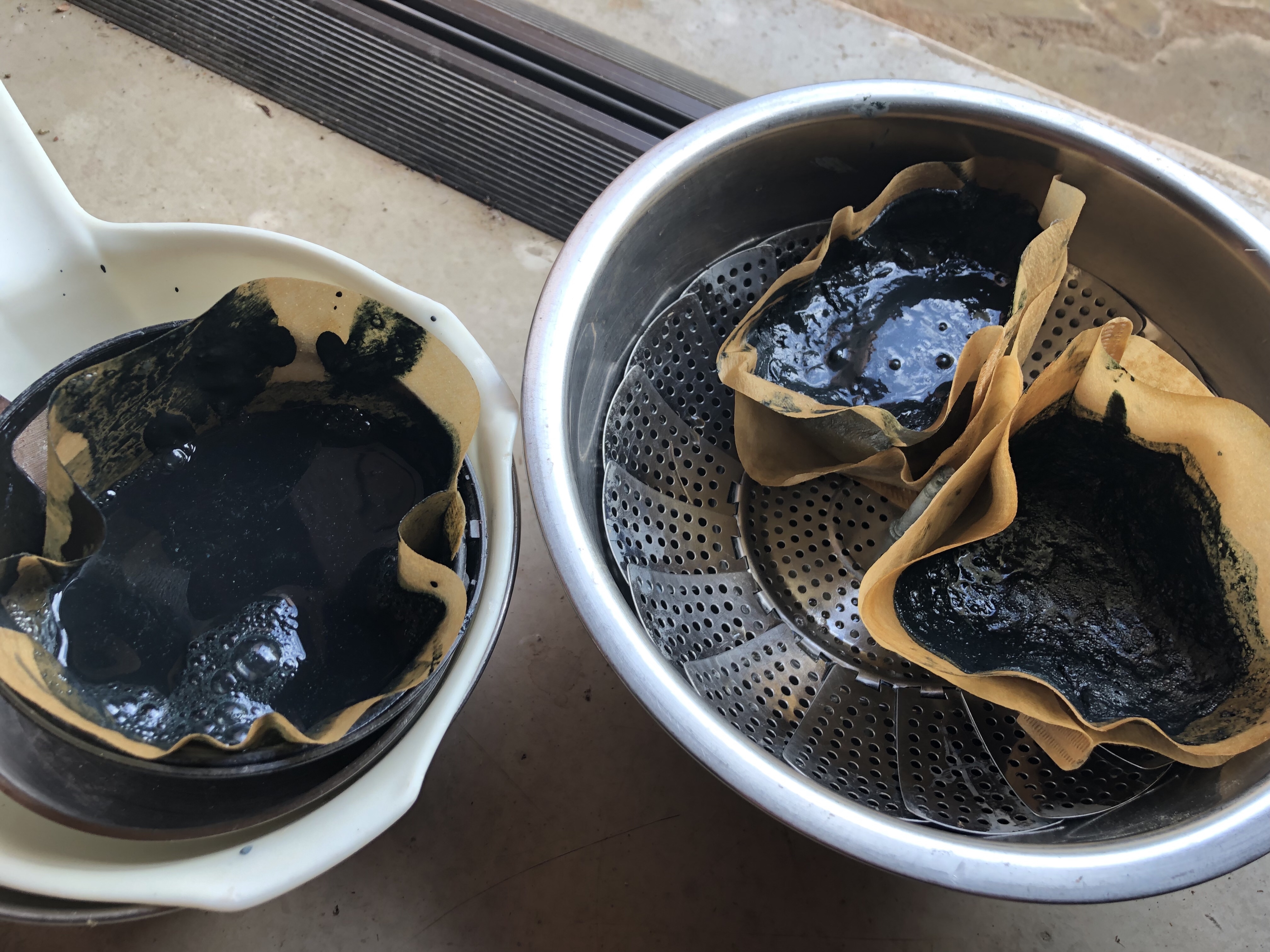
Pasting the leftover lumps. This is washed & dried pigment from my large Fructose vat. I wash my old fructose paste with 9% vinegar to remove the calcium carbonate and drain thru filters. Solely for the purpose of removing sludge volume and storage. We will find out how the pigment works after washing on a large scale.
My plan is to find out if same process works for “iron sludge”. I do NOT know if this process works for iron vat sludge or the chemical impact, yet. I need to create some iron sludge. Hence this vat is starting up. The Sapa indigo dyers use their pigment season to season in a wood ash vat. I decided to try using vinegar to reduce the calcium in a sludge reduction effort and clean up for use.
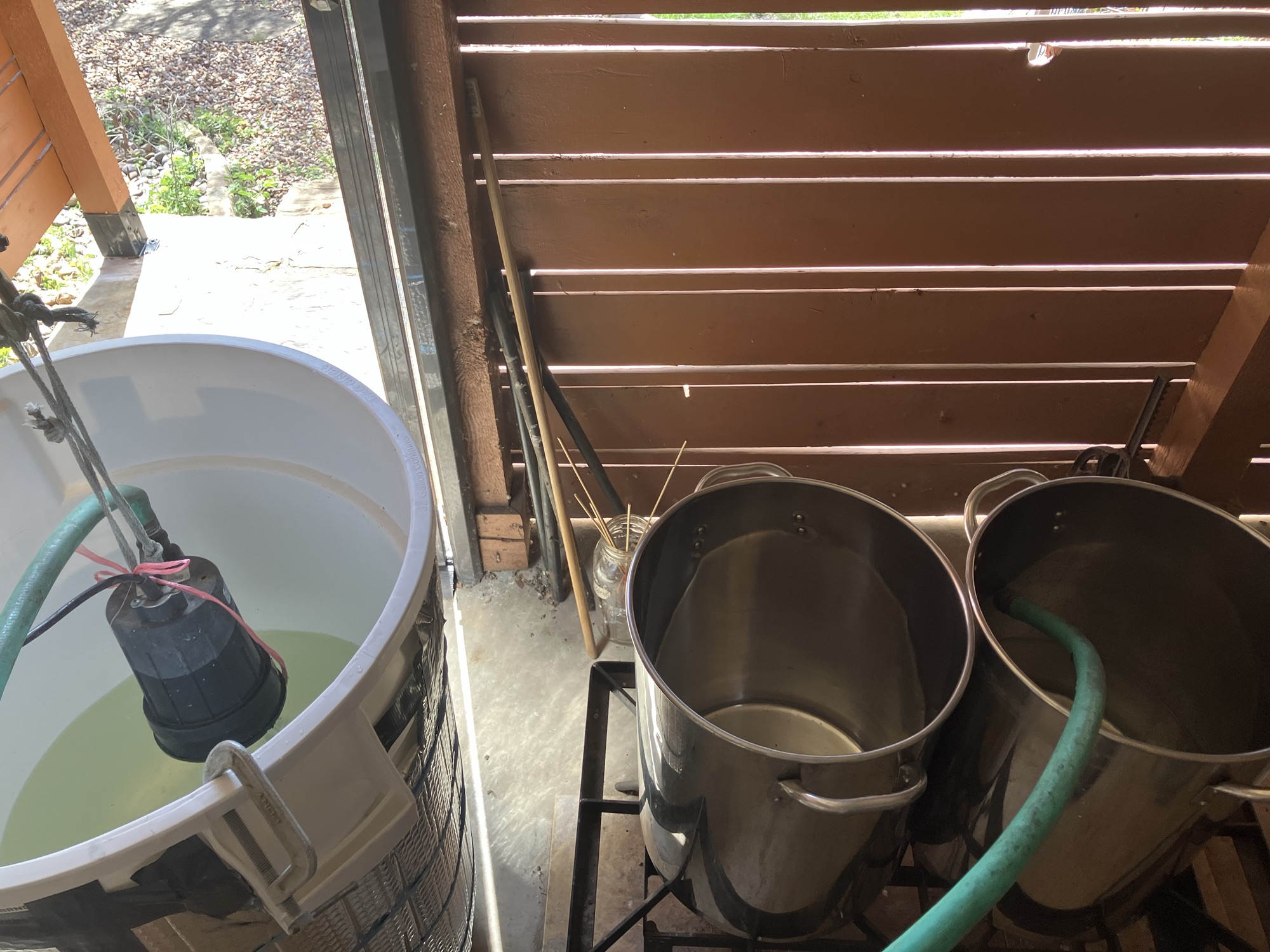
Old lady way of moving water from point A to point B
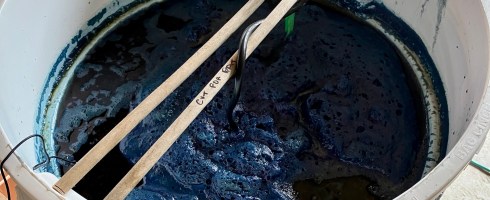
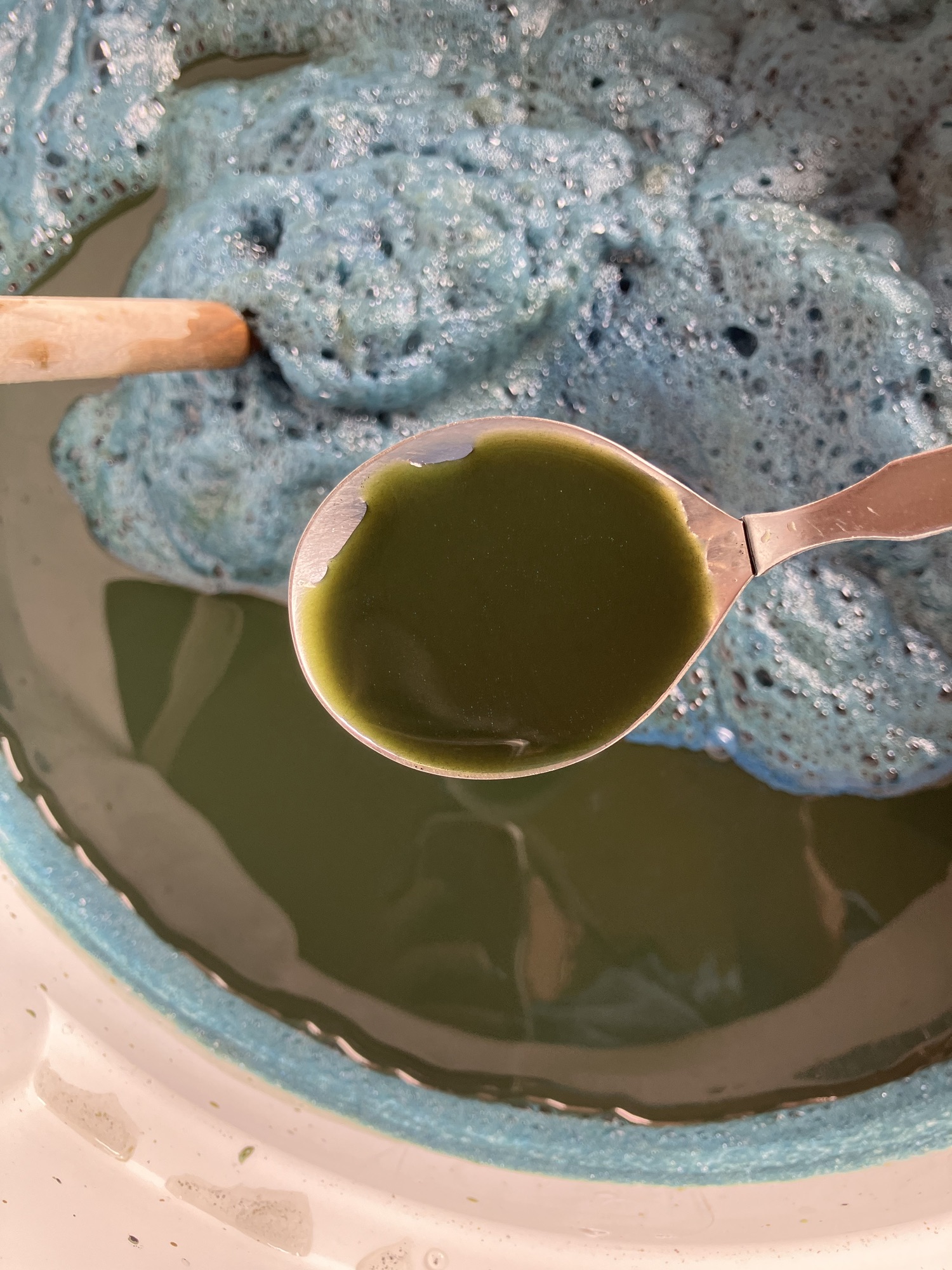
Nice & soupy, time to stir.
Stirring & stirring
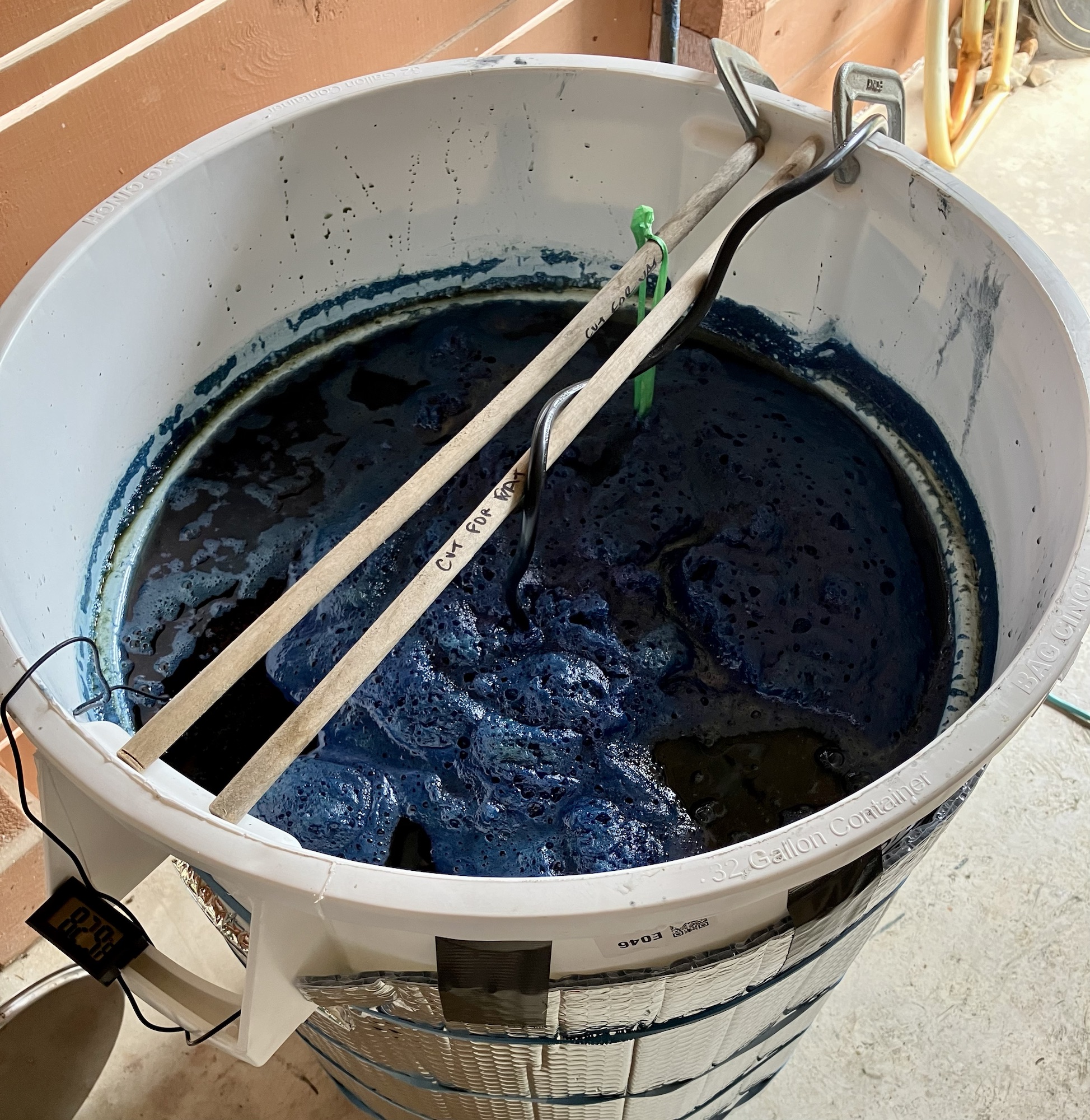
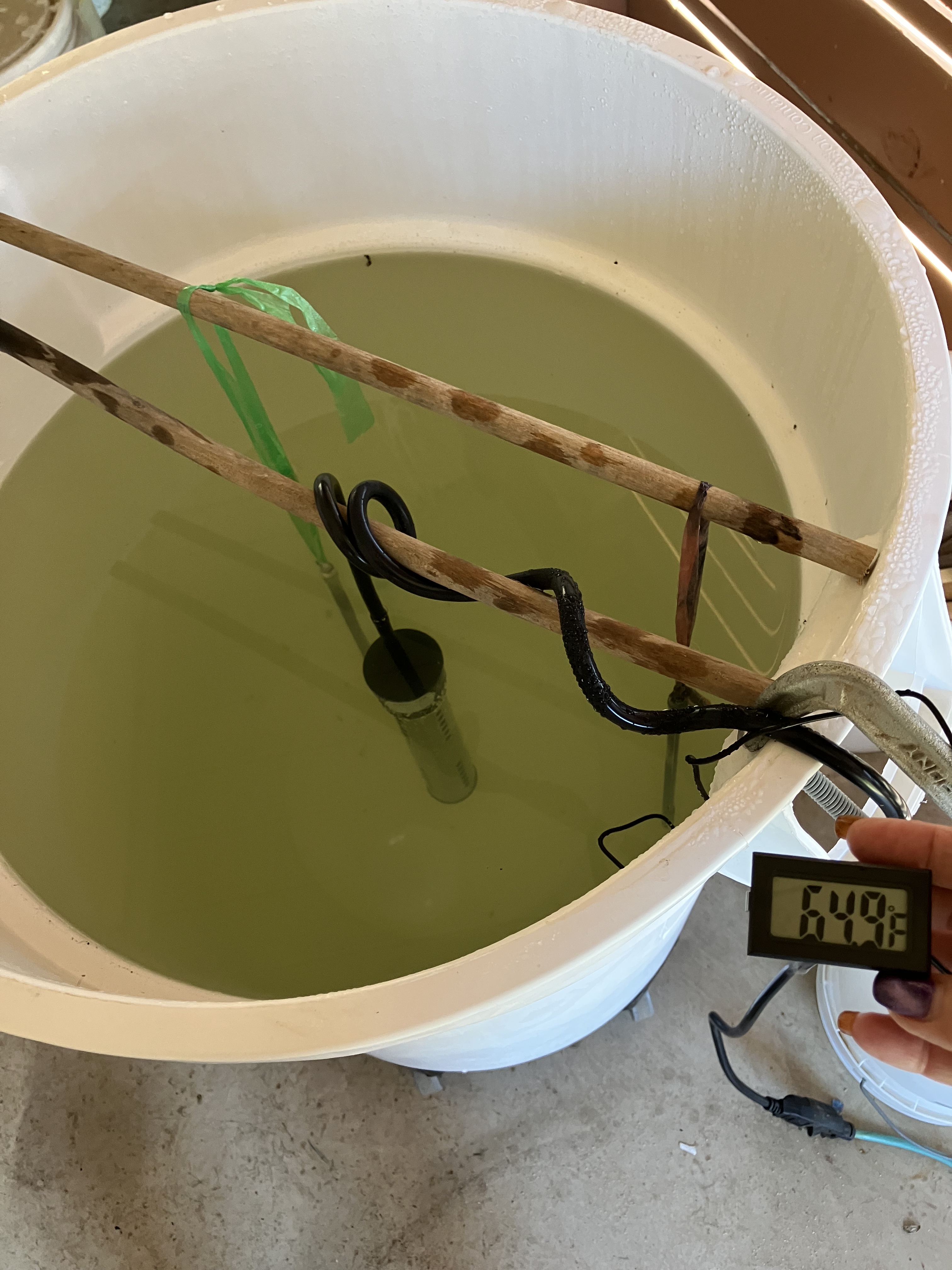
Now I heat & wait for reduction. My sticks that support my heater are sitting on the handle indents within the bucket. No holes were made. I suppose holes would be safer. To me, if the sticks were left in place in the holes not much heat would escape. More importantly, I would be concerned with disturbing the structural integrity of the bucket sides by putting holes into the plastic. I am leaning towards putting holes or screw eyes in sticks and hold sticks by tying the handle. Right now I am still developing a relationship with my vat configuration. I’ll improve later.
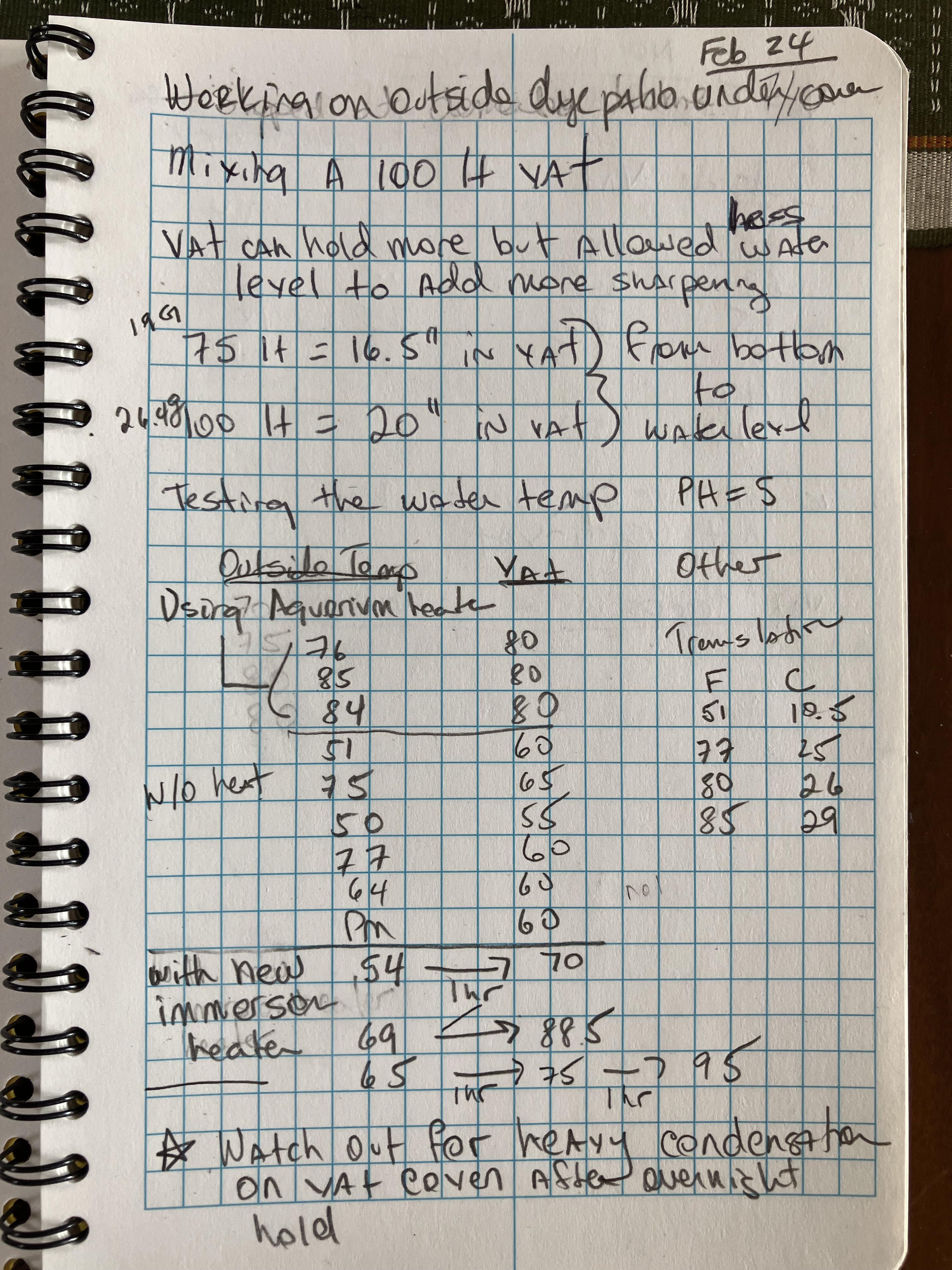
Monday was all about moving water, pasting indigo and prepping other ingredients. For me it is getting an idea of how many prep vessels one needs to dissolve everything properly. Earlier this month I tested temperatures on my outside dye patio in my new 100 liter vat with and without heat. I captured the temperature range info for future reference.
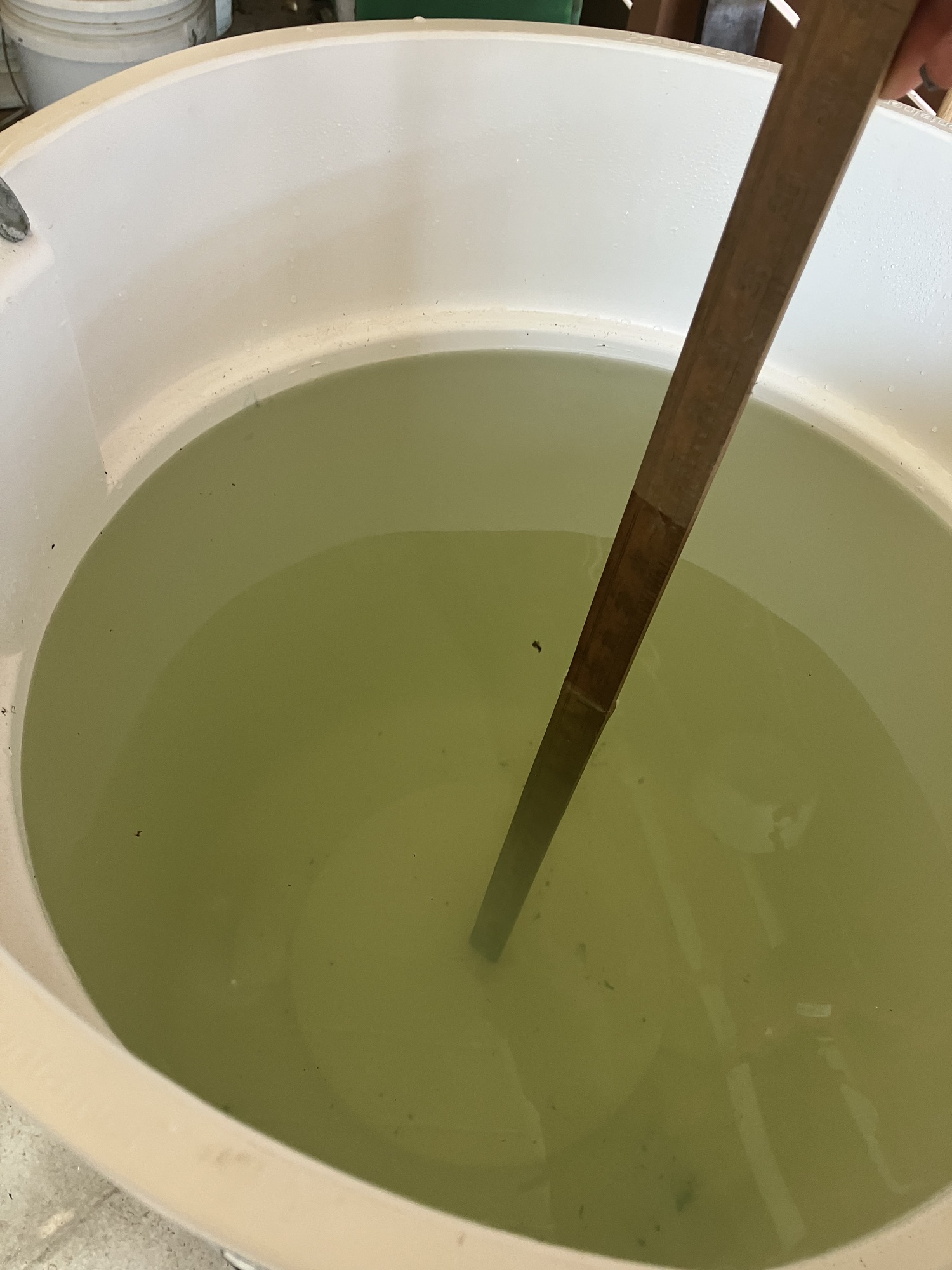
The vat is shaded from sun so I wanted to get an idea of the temperature range here in very early spring in the Texas Hill country. I measured the initial 100 liters to measure and see water depth for the proper water volume. Plus to see if I had any vessel leaks. Now time to move water and prep the ingredients to mix.
A ruler to record depth of 100 liter of water
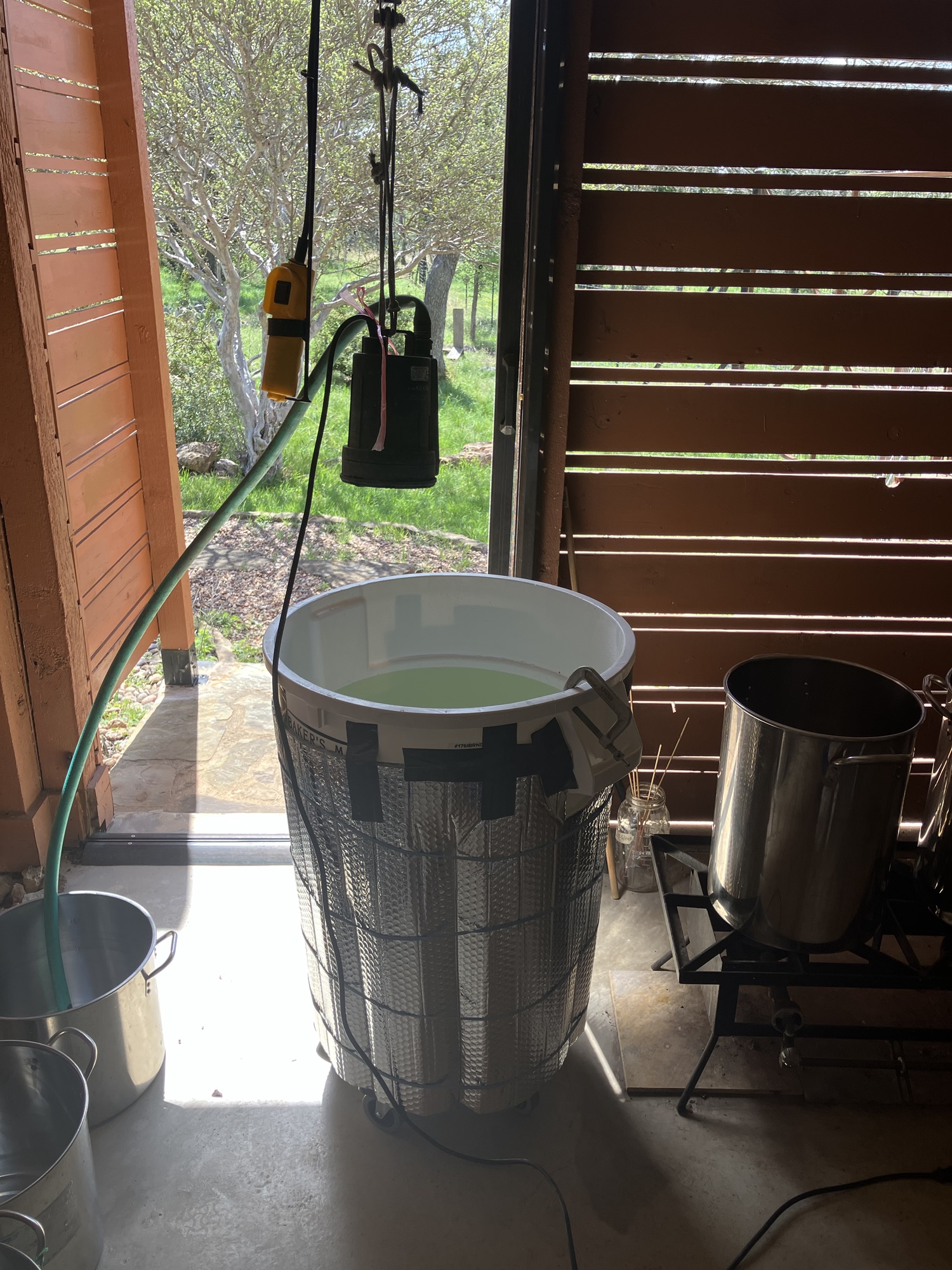
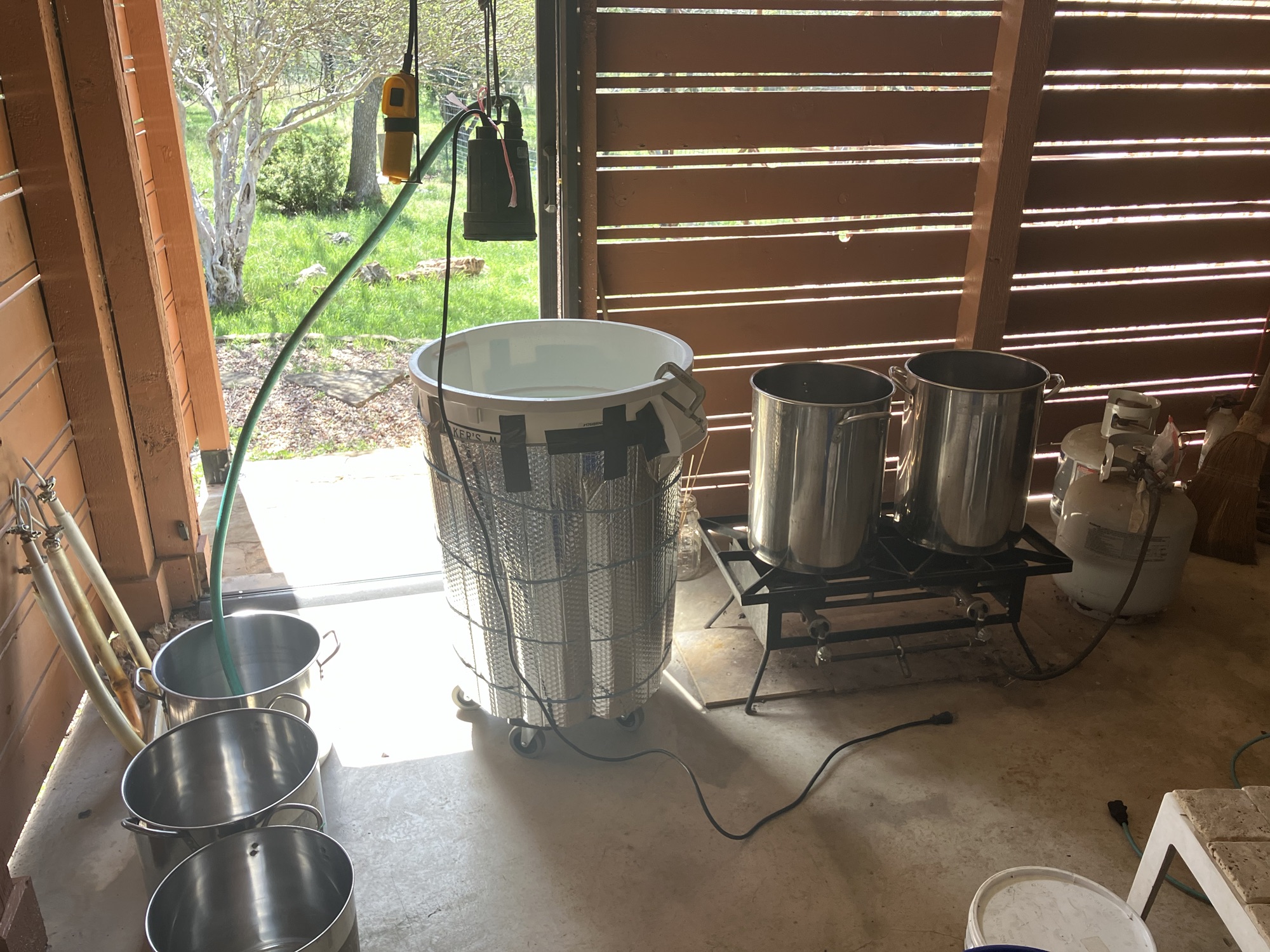
Now time to move water and prep the ingredients to mix. My husband and a good friend decided I needed a hoist to lift heavy loads a couple of years back. I thank them mentally every time I use it to avoid stressing old back & arm surgeries. This time I combined using the hoist with my sump pump and quickly moved water out of the vat into various containers to start dissolving ingredients.
A sump pump makes easy work of moving water
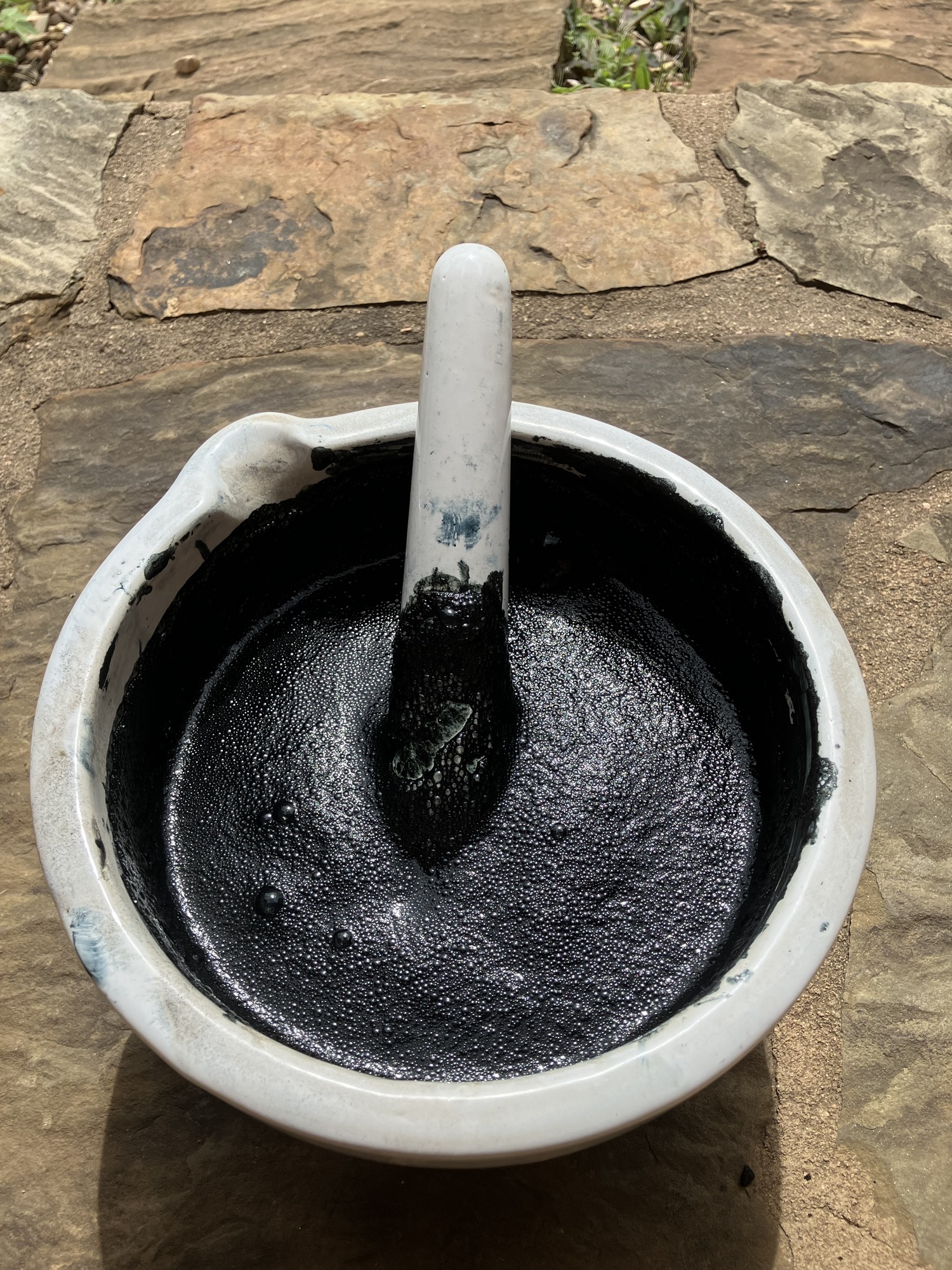
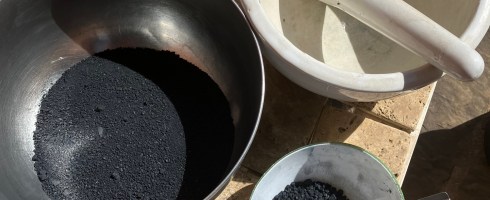
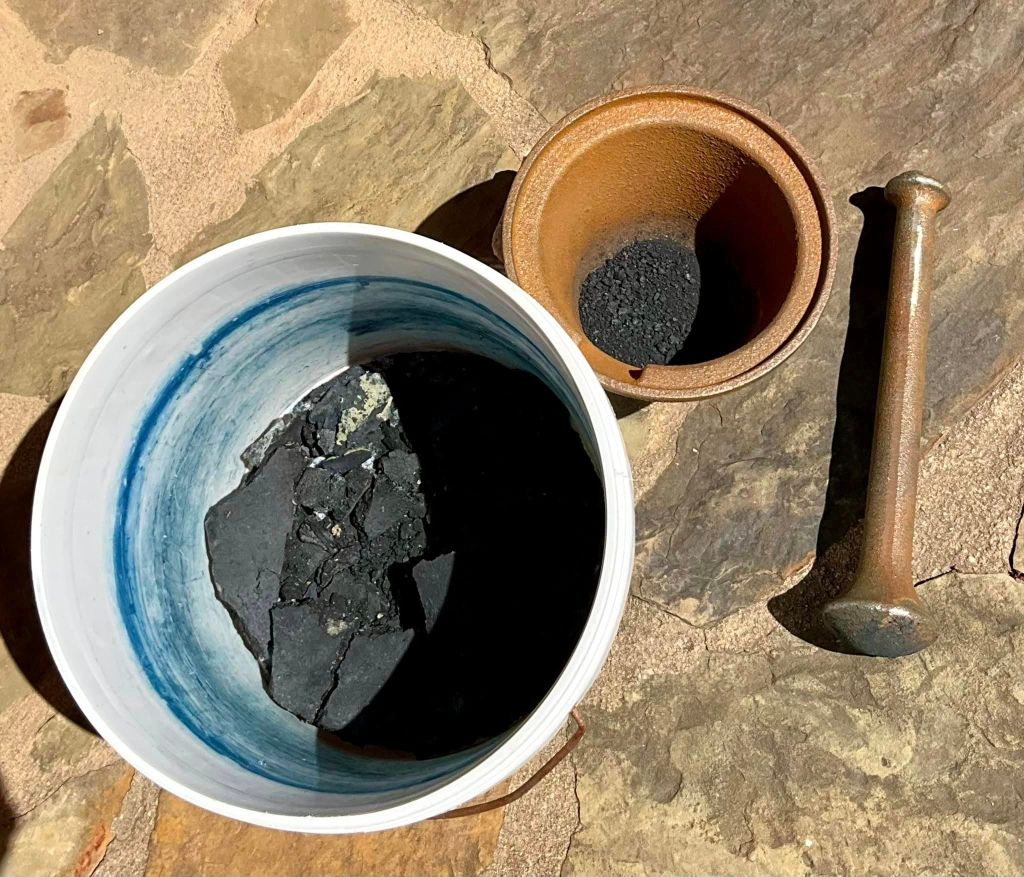
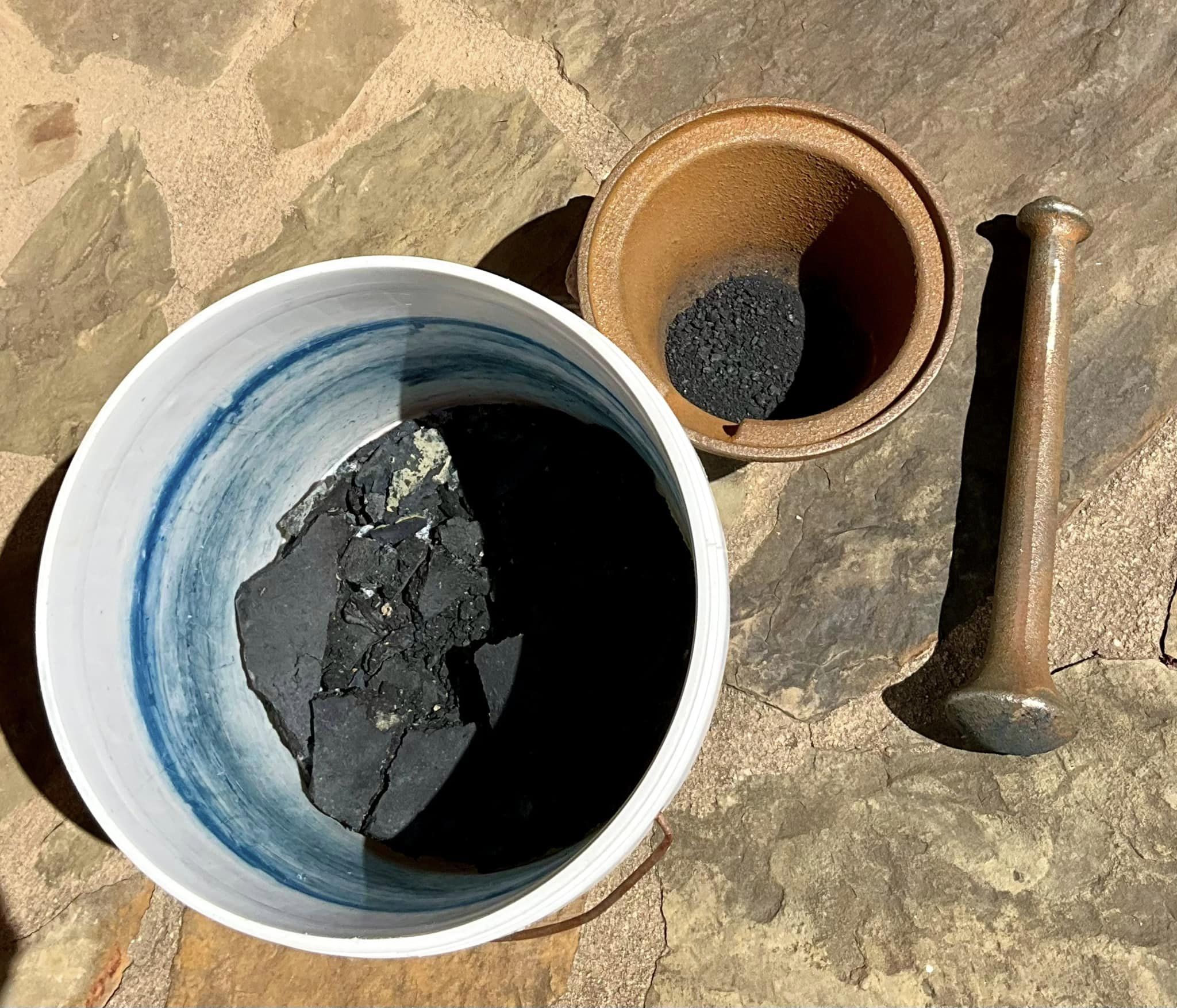
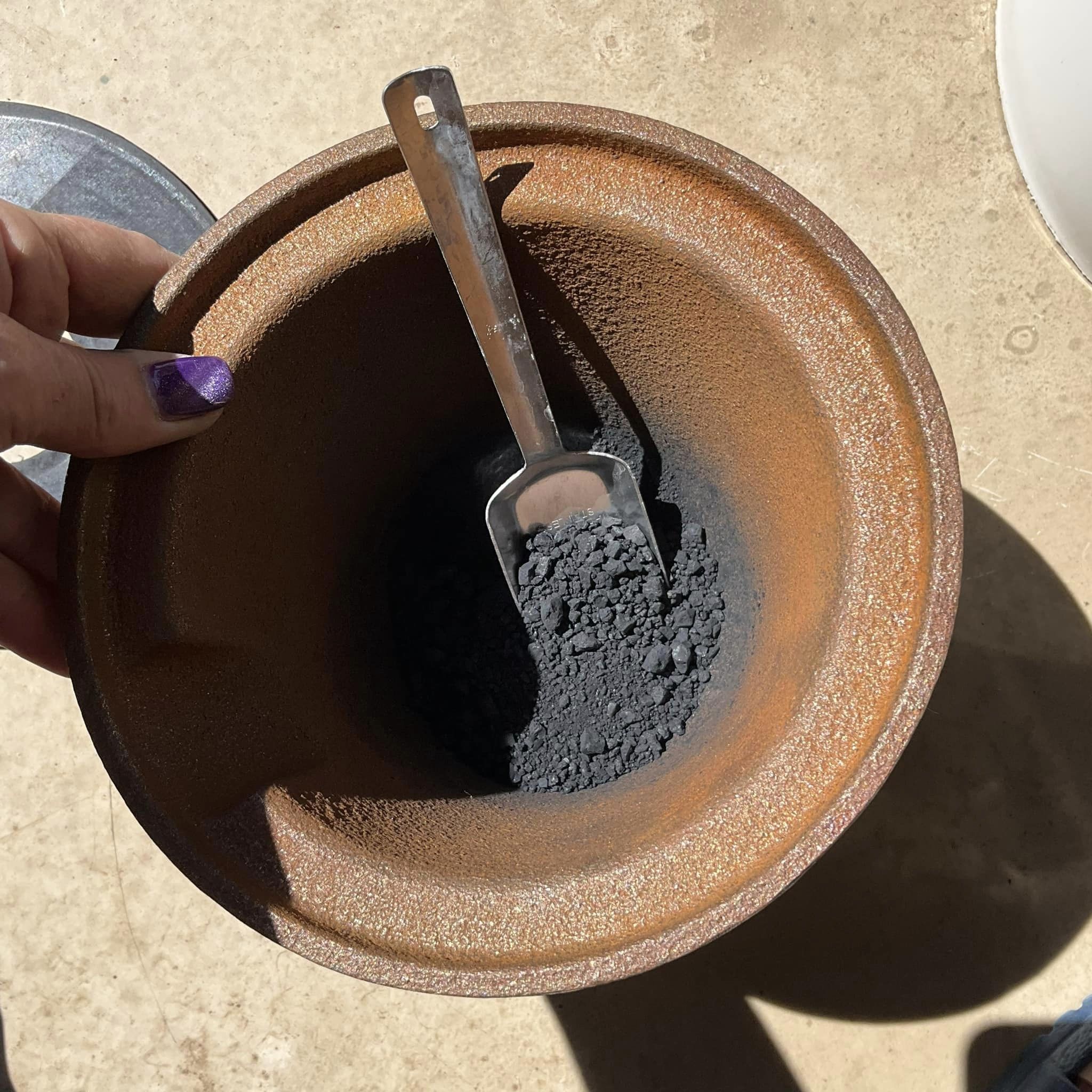
Next I pasted my indigo, a technique taught by Aboubakar Fofar at a master’s class at Botanical Colors. Think pudding consistency, you paste your indigo to the consistency of pudding, smoothly suspending your pigment in water. I had been working on breaking down washed pigment to powder from my large fructose vat. This pigment has hardened over the winter after vinegar washing to remove excess calcium carbonate. I had to spend some quality time with my mortar and pestle grinding the indigo to powder.
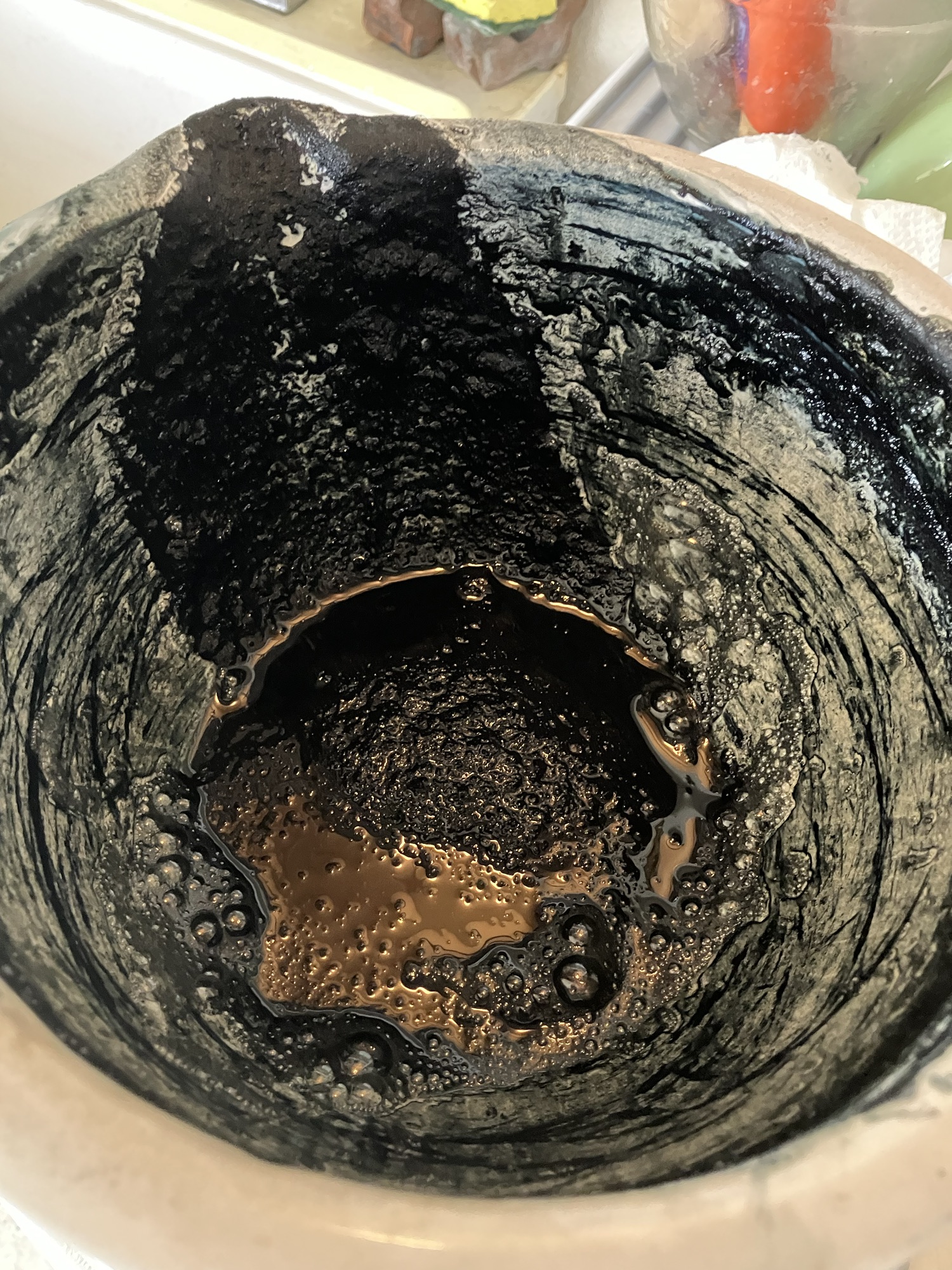
Testing vinegar washed pigment from last year’s vat
Setting that paste aside I measured out my ferrous sulfate (iron) to see the quantity involved for start up and measured out additional iron for sharpening the vat further down the timeline. I usually don’t use iron in such a large amount so had no sense of the volume. It will be interesting to see how it dissolves.
My calcium hydroxide is in the tidy package of Ms Wages pickling lime and doesn’t need additional processing.
So bearing in mind I am working with a target volume of 100 liters I have my water set aside, the ingredients measured out and am ready to put it all together.
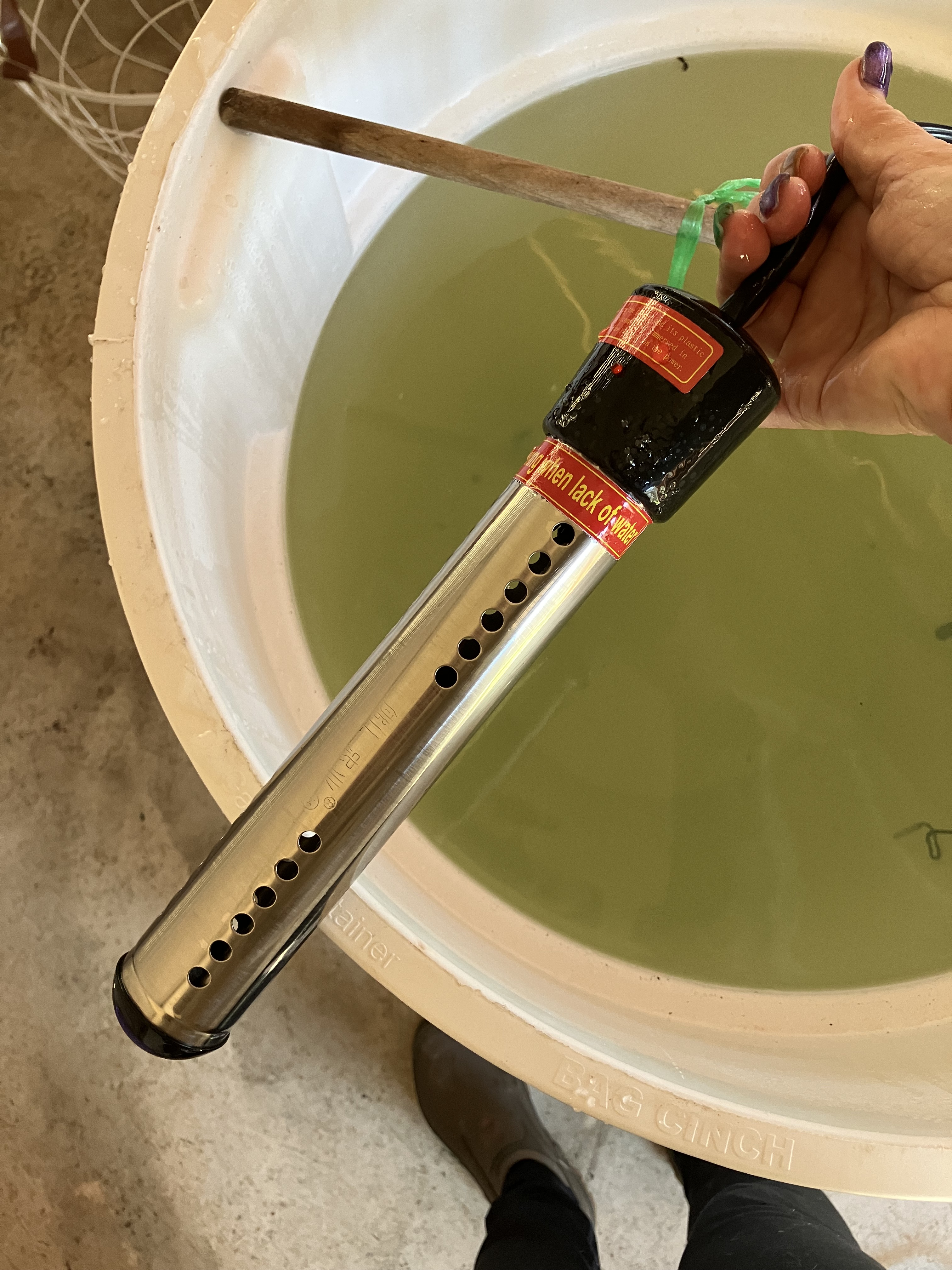
Continuing on lessons learned from Elisabeth Viguie-Culshaw on building an iron vat I am looking for a way to heat my 26 gallon vat. My first try with my current aquarium heater was a bust due to its limiting heat at 80 degrees F. So I went back to researching and found a bucket immersion heater with the proper heat range. The first one arrived with an in box warning of “do not use in iron container”. This was not on the web page when initially ordered. Since this is an iron vat, I decided to return it and reload and try again. The 2nd immersion heater arrived with no such warning. This one heats beautifully.
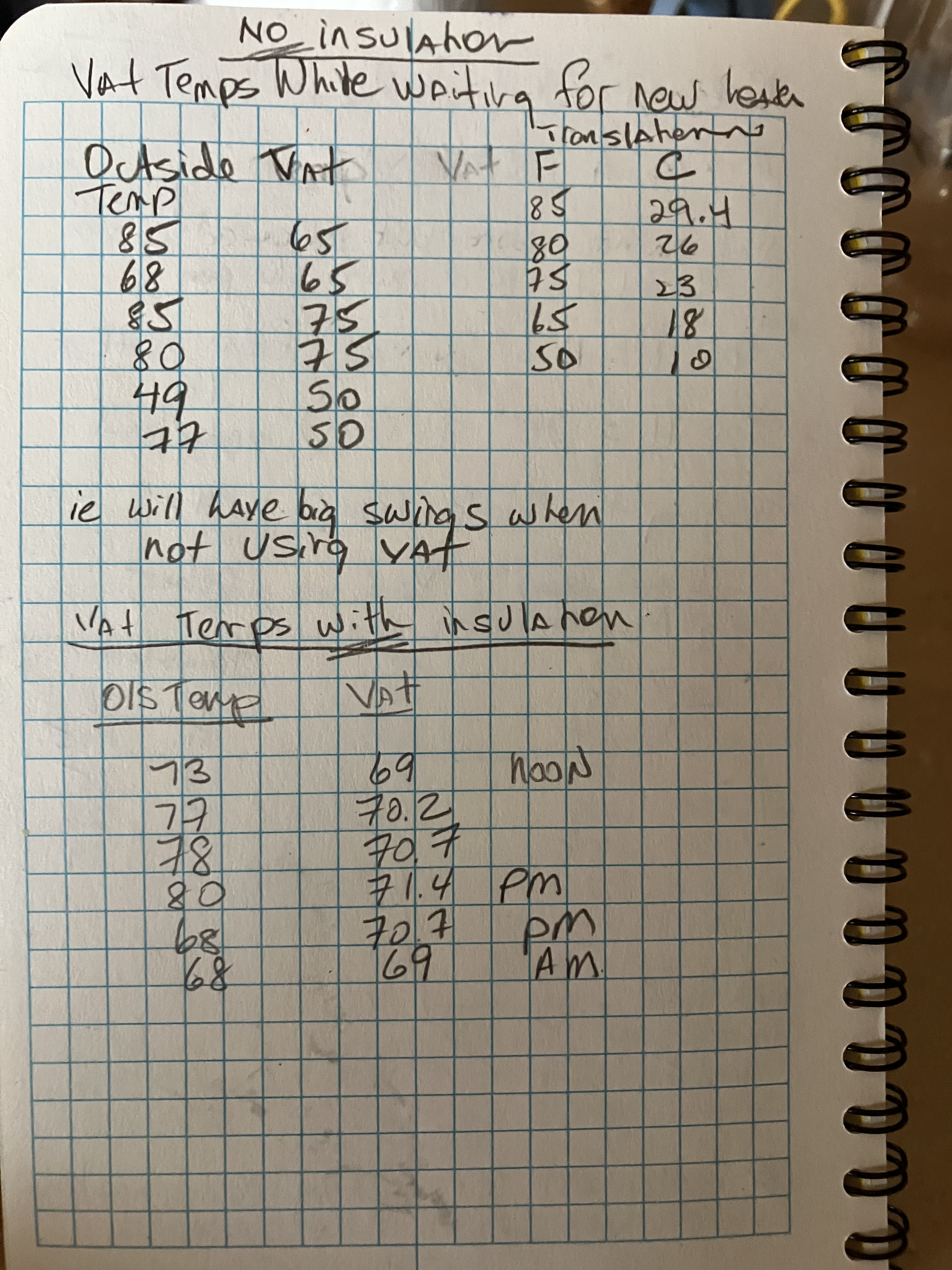
While I was waiting for the insulation to arrive I kept track of the air and water temps. My past solar fructose vat was only operated at 90 degrees F + so I was unfamiliar with my lower temp and its impact one my vat’s water sitting under shelter. Below are my log sheets for info.
All is in place, now I just need a block of time to pull together the ingredients. I’ve set out my pots to heat water to dissolve everything and will proceed with putting all the good stuff in the vat.
I decided with our drought and 105 degree extended string of days in the Texas Hill country I would try a smaller vat under shelter. Familiar with a fructose vat and its depth of shade I was ready to try an iron vat and explore its use and impact on our surrounding environment. We are on a well and septic system and in the middle of a rural area so I wanted to make sure I understood that type vat and had a way to dispose of waters safely. My current solar vat is 110 gallons. The new iron vat I am trying is 26 gallons, much smaller and hopefully will give better depths of shade faster than the fructose. I use rice paste resist, which does not hold up well to repeated dips in the fructose vats to get a deep shade of blue. Hopefully this iron vat will work better with the rice paste. Elisabeth Viguie-Culshaw opened up a workshop on making and maintaining an iron vat along with soya/lime paste resist instructions. I was traveling during the class but am finally settling down to “a go” on the vat and gathering supplies from what I learned from Elisabeth’s workshop.
Here is how I set out to set up this vat.
Phase 1, After finding the vat, I am testing for vat leaks & figuring out how to measure 100 liters of water easily. Measuring & marking buckets for easy 5 liter transfer. This vat is 1/4 the size of my 110 gal (416 liter) fructose vat. Due to extreme drought I am going smaller in water usage. It is on wheels so easy to push around. Before I add all the good stuff I’ll be testing my aquarium heater to ensure it will heat the vat to proper temperatures without harming the plastic. The ferrous vat is a cooler vat but still needs start up heat of 90° (30° C) to create a catalyst to kick start the indigo, ferrous (iron) & calcium hydroxide. But, I can work in the shade, not out in 105° F (41° C) heat. This container has an added benefit of wheels so I may move it around.
Phase 2 is grinding my washed indigo from the big vat. I shut it down due to past two years of extreme drought & 105° F (41°) temp and dried my rinsed indigo mud for storage. This means I have some indigo grinding to do. Getting closer to the “Big Mix” in the search for blue.
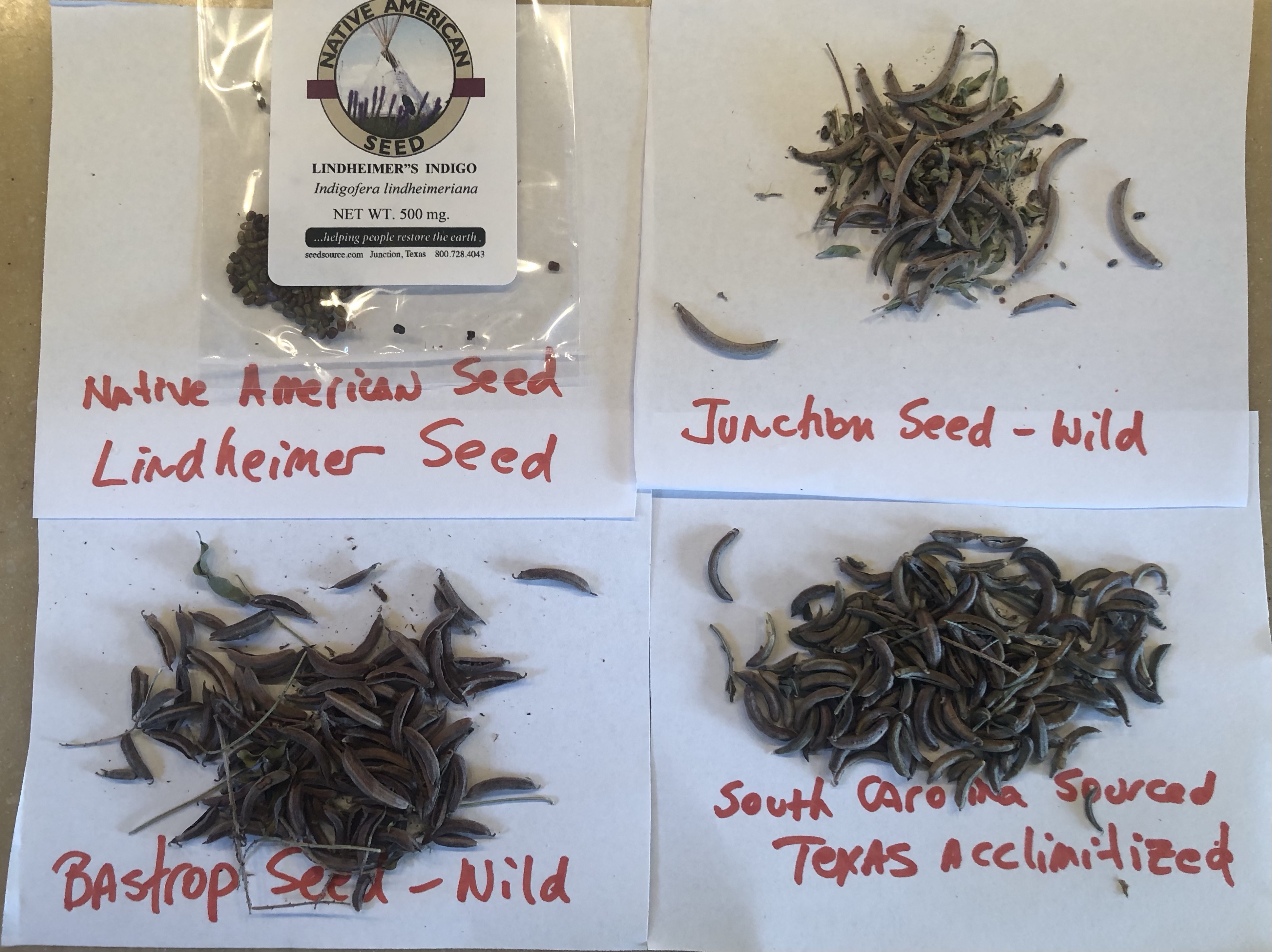
It always starts out wet in the spring, so you have little warning that a drought is in the works. We had a wet and cool spring. As I waited for the ground and weather to warm up I decided to compare four different indigoferas.
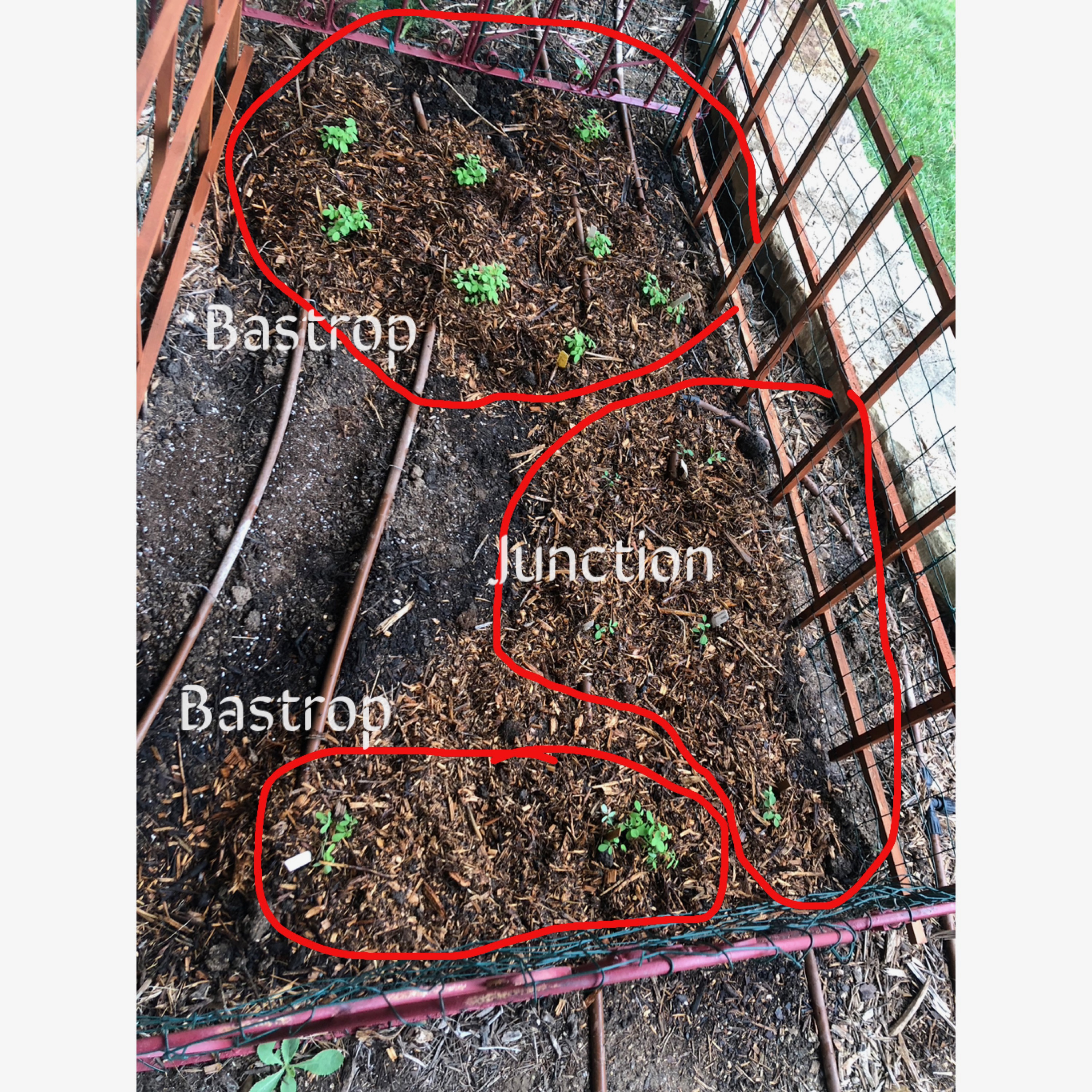
Two were collected from wild areas with no clear identification or knowledge how they came to be in the area. I call them Junction and Bastrop. Both are found in river flood areas in the general area of these cities in Central Texas.
The Junction seed was gifted to me but was older seed, one season past when I would normally plant a seed. Foragers had collected the leaves for paint making and were generous in sharing seed and showing me their gathering buckets. I noted that these plants had very delicate stems and smaller leaves than the South Carolina sourced Indigofera Suffruticosa that I normally grow. The seed itself looks very much like tinctoria, the long string bean type of the Indigofera Tinctoria that is grown in many geographic areas.
The Bastrop seed had definite curved short pods which I collected from plants so I knew I had the optimal planting timing. This species as well had very delicate stems and small leaves compared to the IS that I grow. I did manage to collect a substantial amount of plant and seeds. The plant gave up the pigment easily. The seeds were very easy to germinate and I’ve set aside a portion for a second year try once I see how they fare this year.
The third seed was a Indigofera lindheimeriana I purchased from Native American Seed. I can find little practical information about it as indigo producing. It also came as seed so I had no clue what the seed pod looked like. I will grow it to see how the seed pod looks. In the literature it is presented more as a landscaping plant. It will be a good control plant to grow alongside the two wild indigos. Perhaps it will resemble one of them and confirm if they were a native species to the Hill Country Edwards Plateau. And at the end of season I could always ferment it to see if it holds the blue or indeed is just a pretty landscape plant.
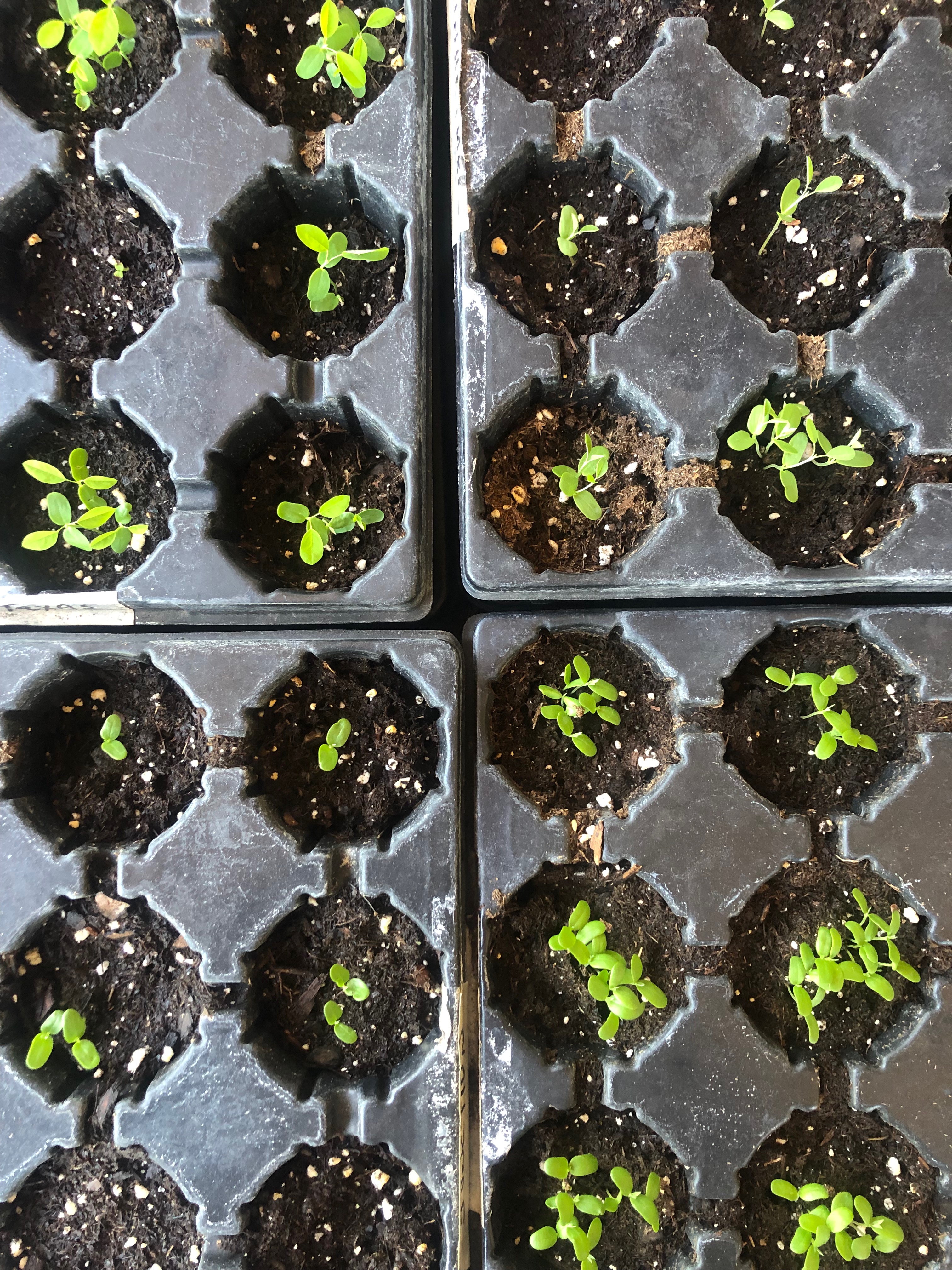
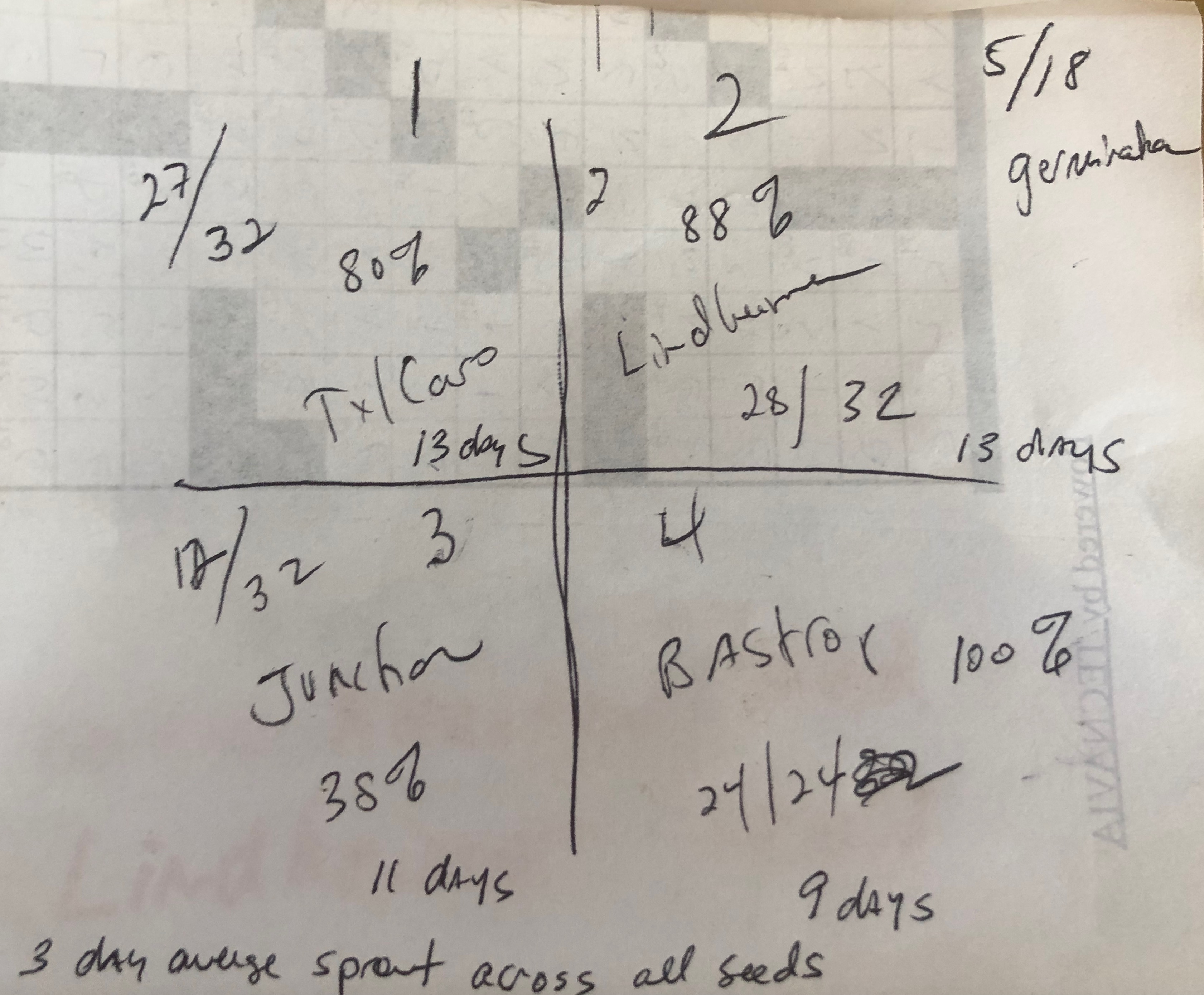
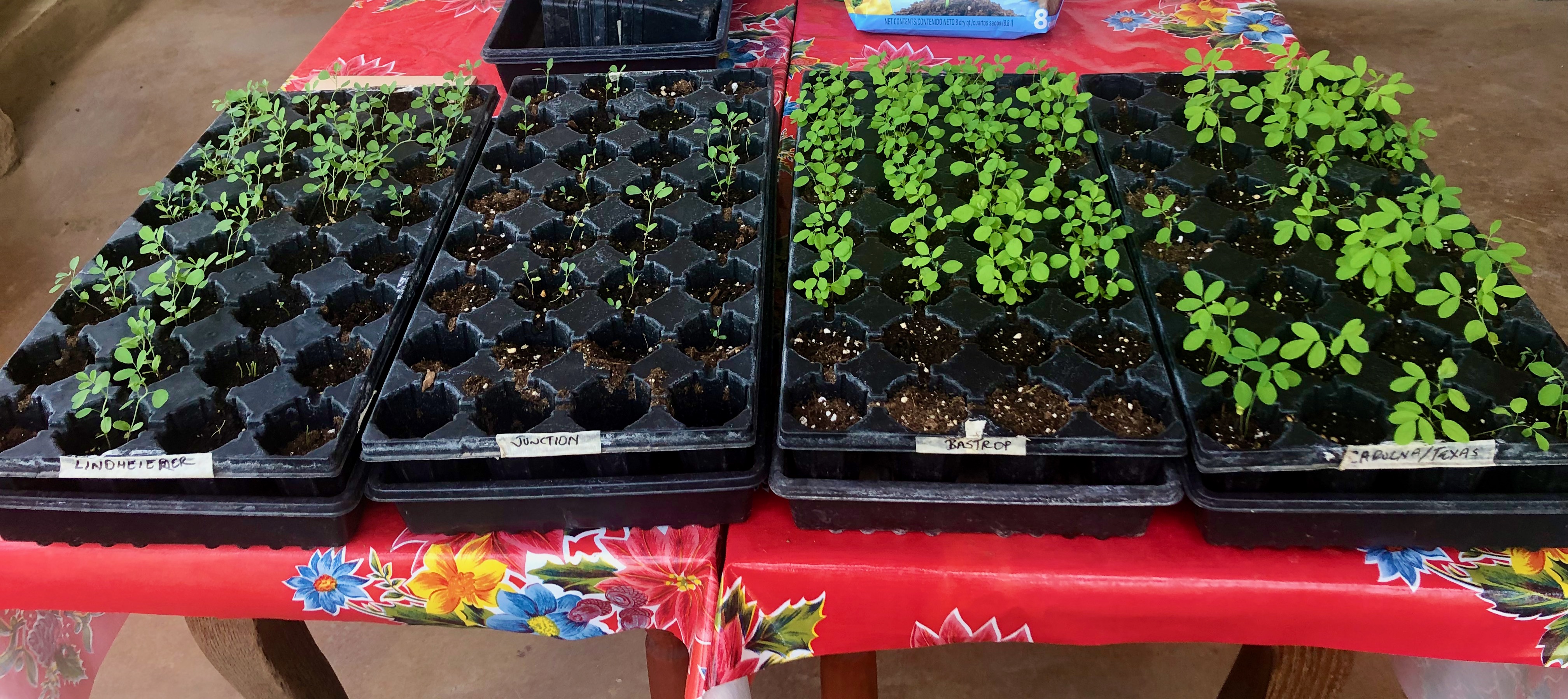
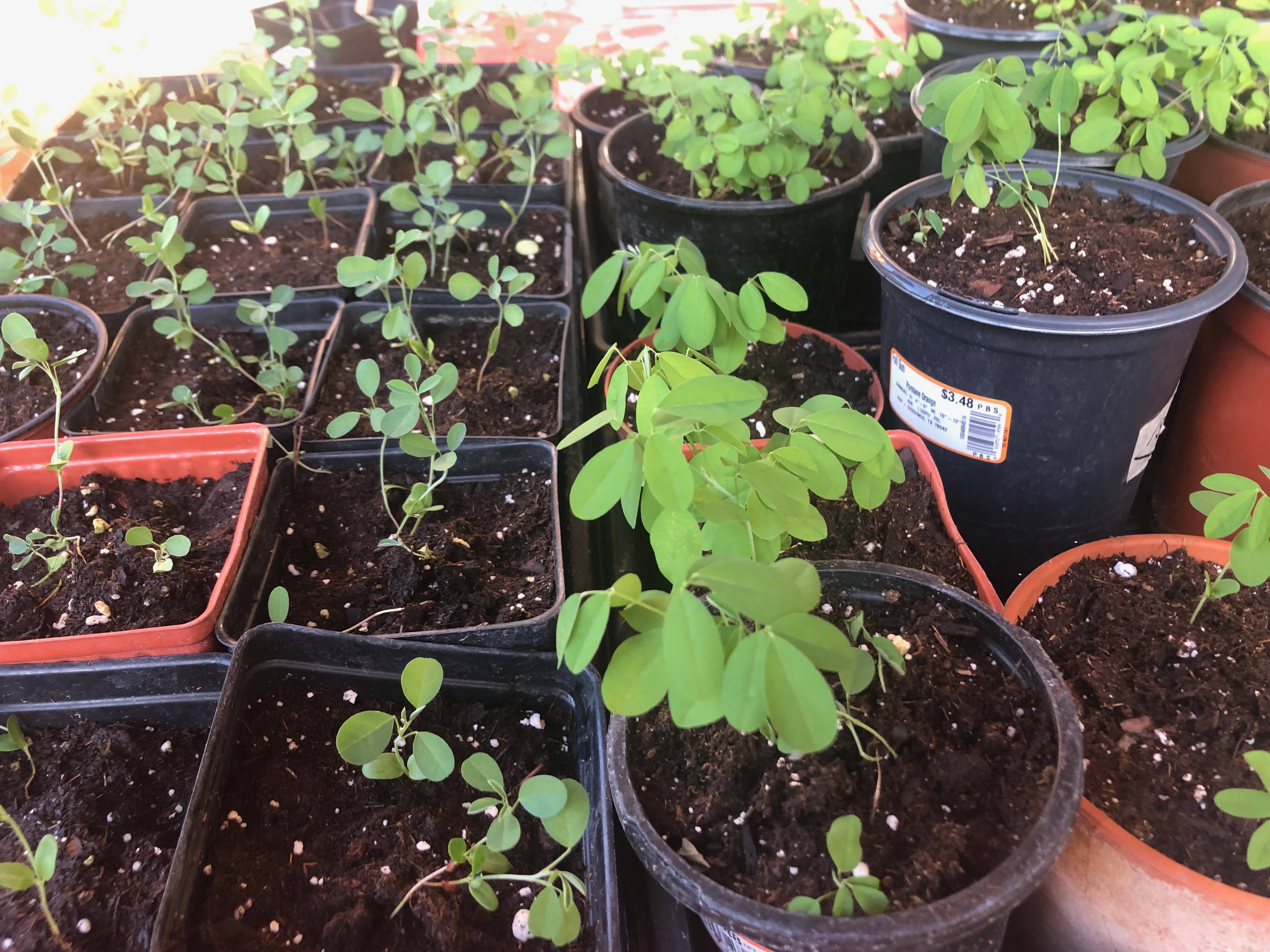
And as usually I germinated my seeds from my South Carolina Indigofera Suffruticosa for replacement plants of the cruel freeze we had in Jan/Feb 2023. Below are my seedlings as of May 18th and their germination notes.
I typically cover my plants and use heat lamps but we were out of town when an unforecasted deep freeze hit and took out about half my seed plants. Yes, I know, cover the plants before you leave town. But I can assure you 20 degrees and ice was NOT in the 10 day forecast. I probably will add hoops to support frost free cloth this year to avoid this type of travel mishap.
I put off planting my seedlings as tiny crickets love baby indigofera plants when it is cool and wet. I used that time to clear the dead IS , dig & fertilize the beds for plant prep and prepare the irrigation and armadillo fencing. Racoons and armadillos love seedling plantings. They dig up the seedling to look for grubs. I always dig a decoy hole away from my plants and water it generously to attract the diggers. So far it has worked plus a small fence around my plant area. My seedlings were all ready to roll in mid-May but it was still coolish and buggy outside. So I held them inside a screen area to protect them from spring rains and hail and rotated them to keep them from getting leggy.
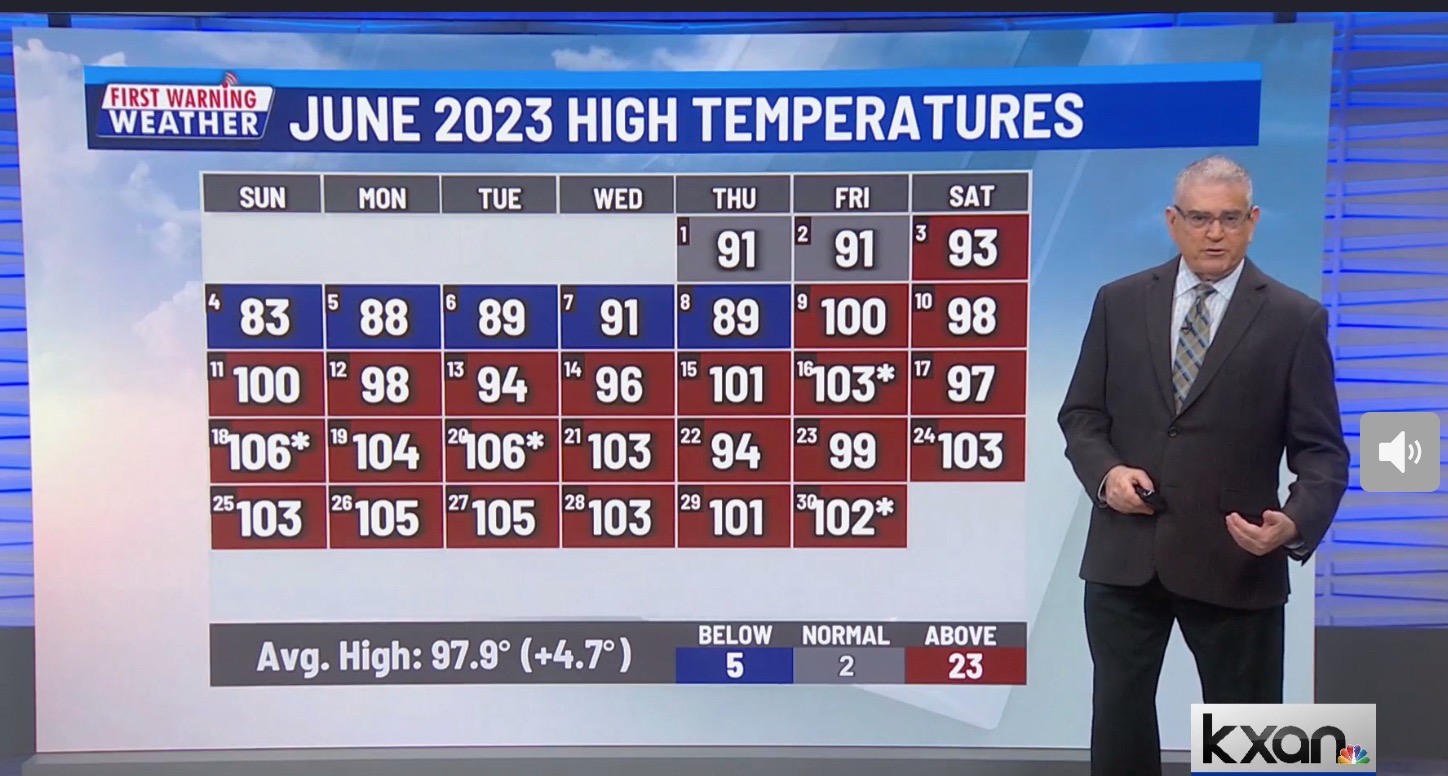
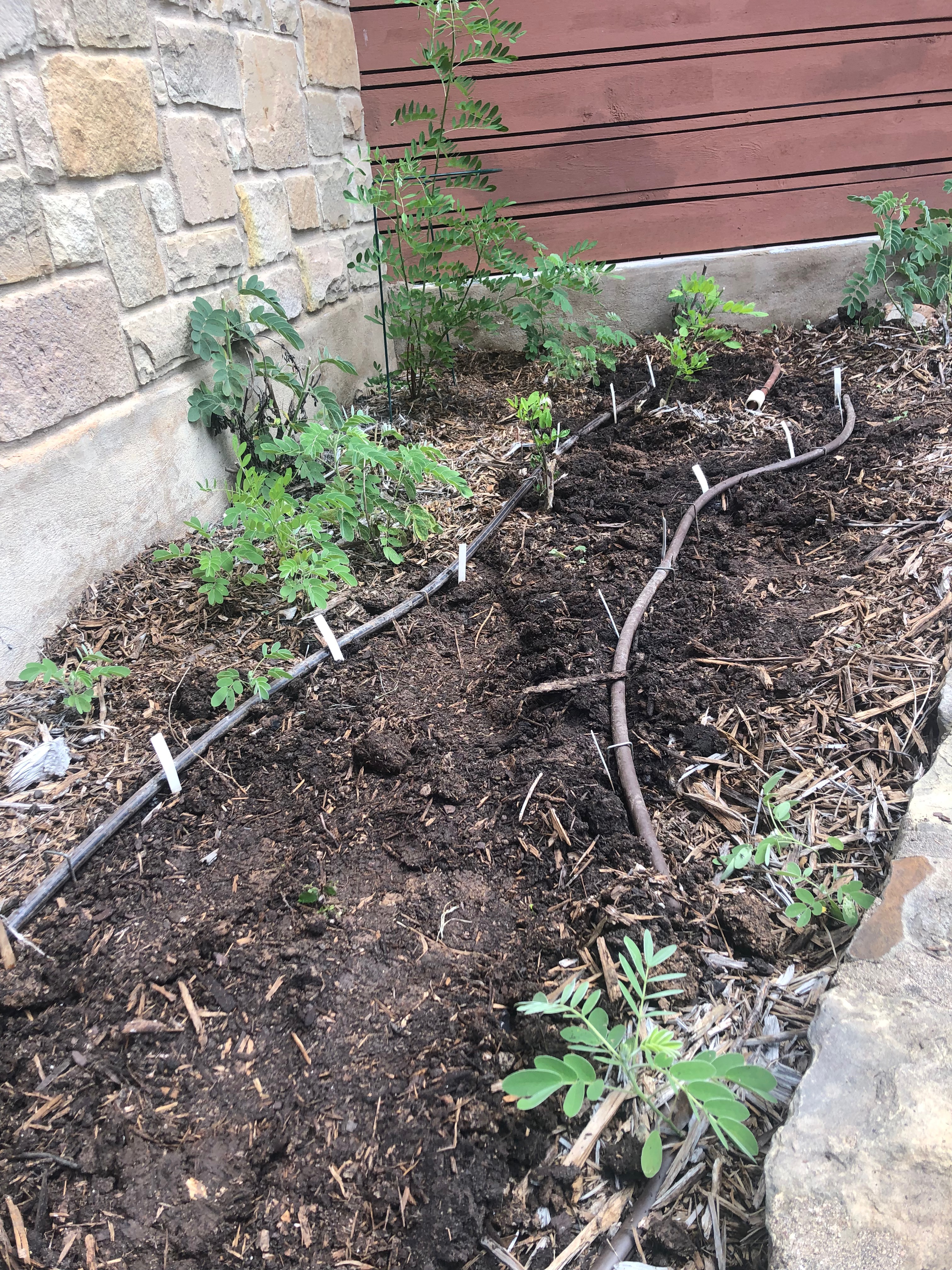
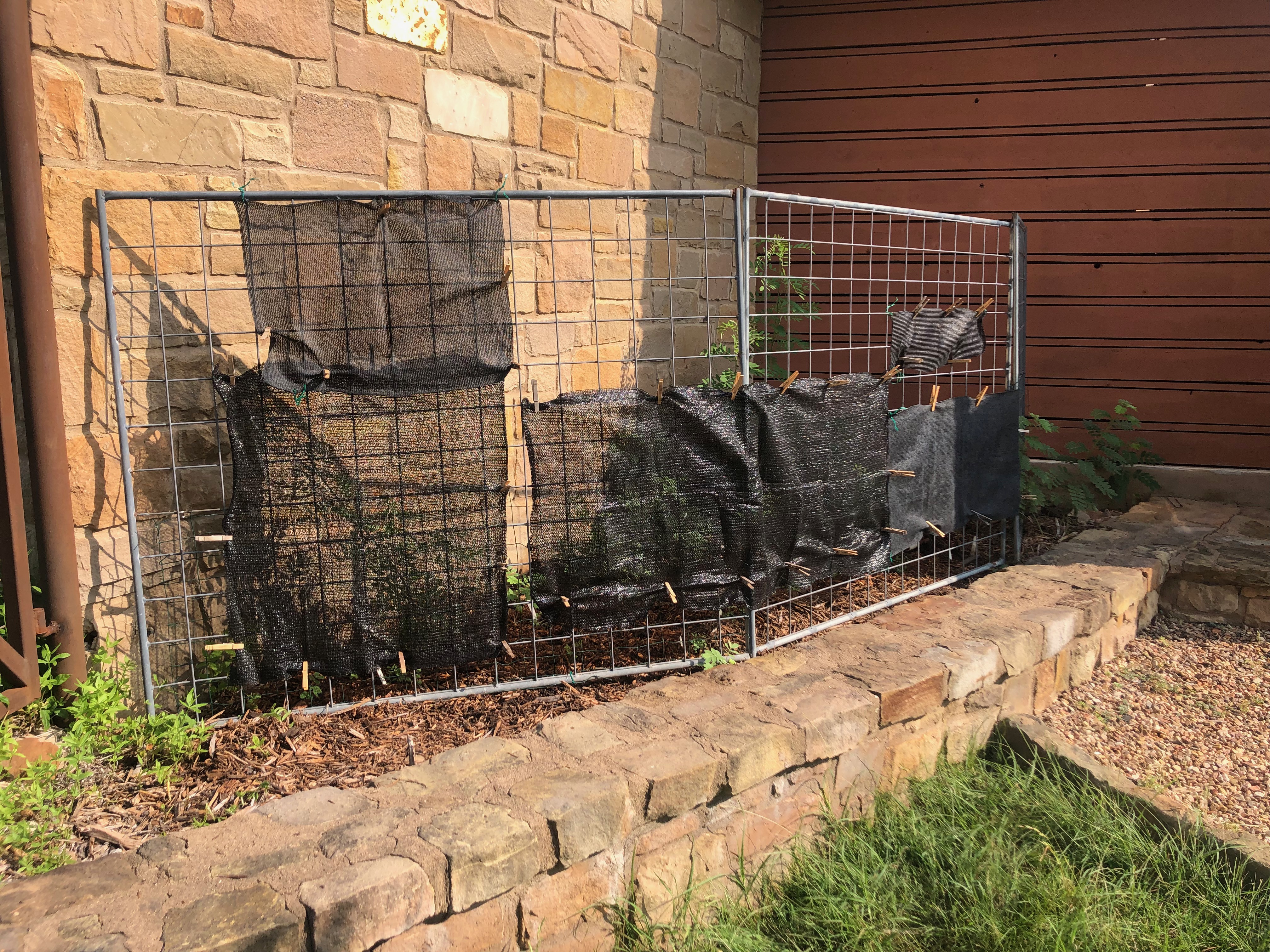
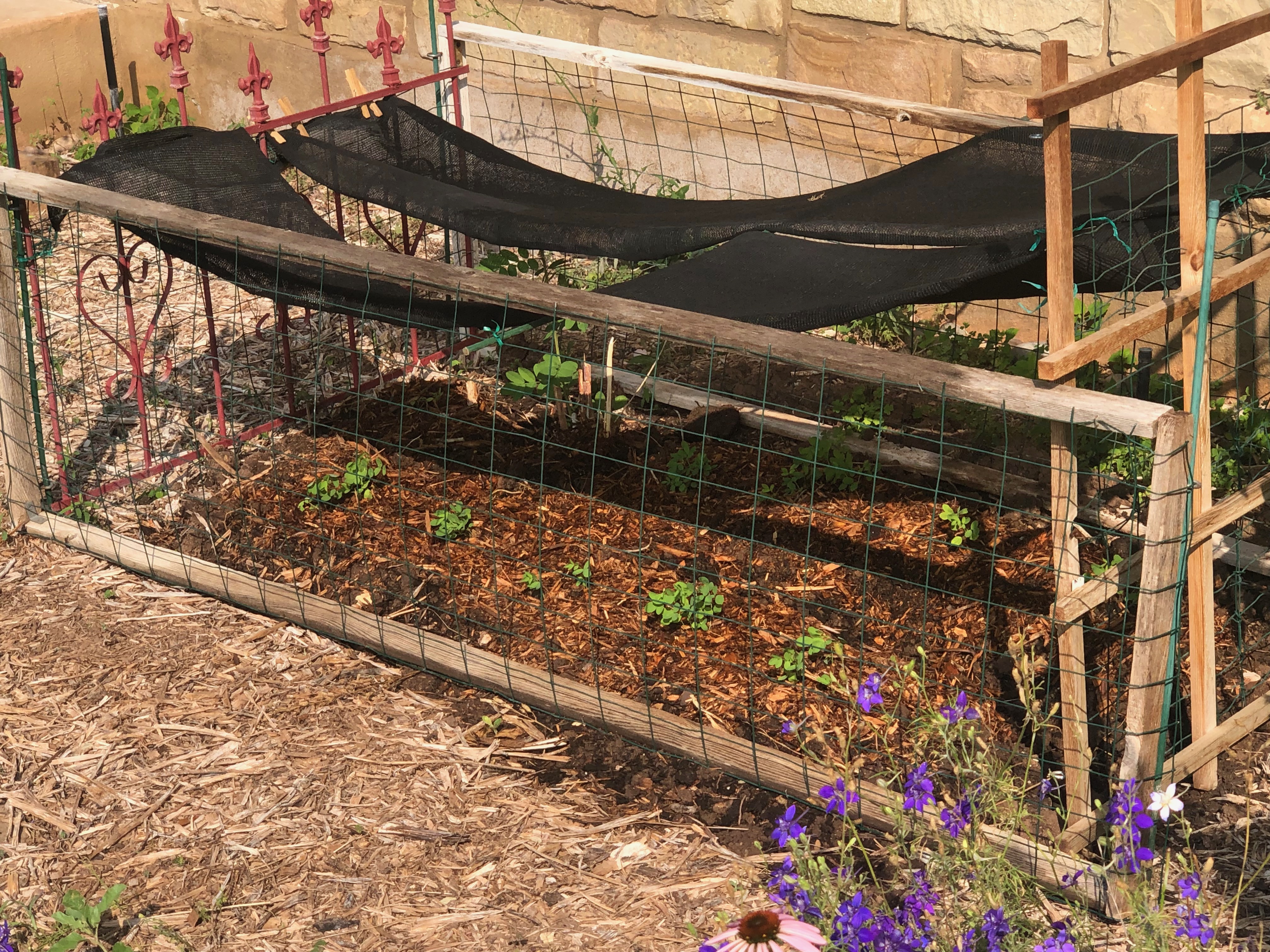
About mid-June we took a massive temperature jump from 80’s to 106. Yikes, summer is here very early. Not ideal weather for seedlings. I put the plants in carefully around the drip irrigation and for the first time ever put up some shade cloth so the new plants could get acclimated to the heat. That shade cloth has stayed up in June, July and part of August. I decided they need to sink or swim in the heat and as temperatures “lowered” to the mid 90’s. I need to see their adaptability to our Hill Country climate so I pulled the shade cloth in late August when temperatures “lowered” to 100 degrees, a “normal” temperature for that time of year.
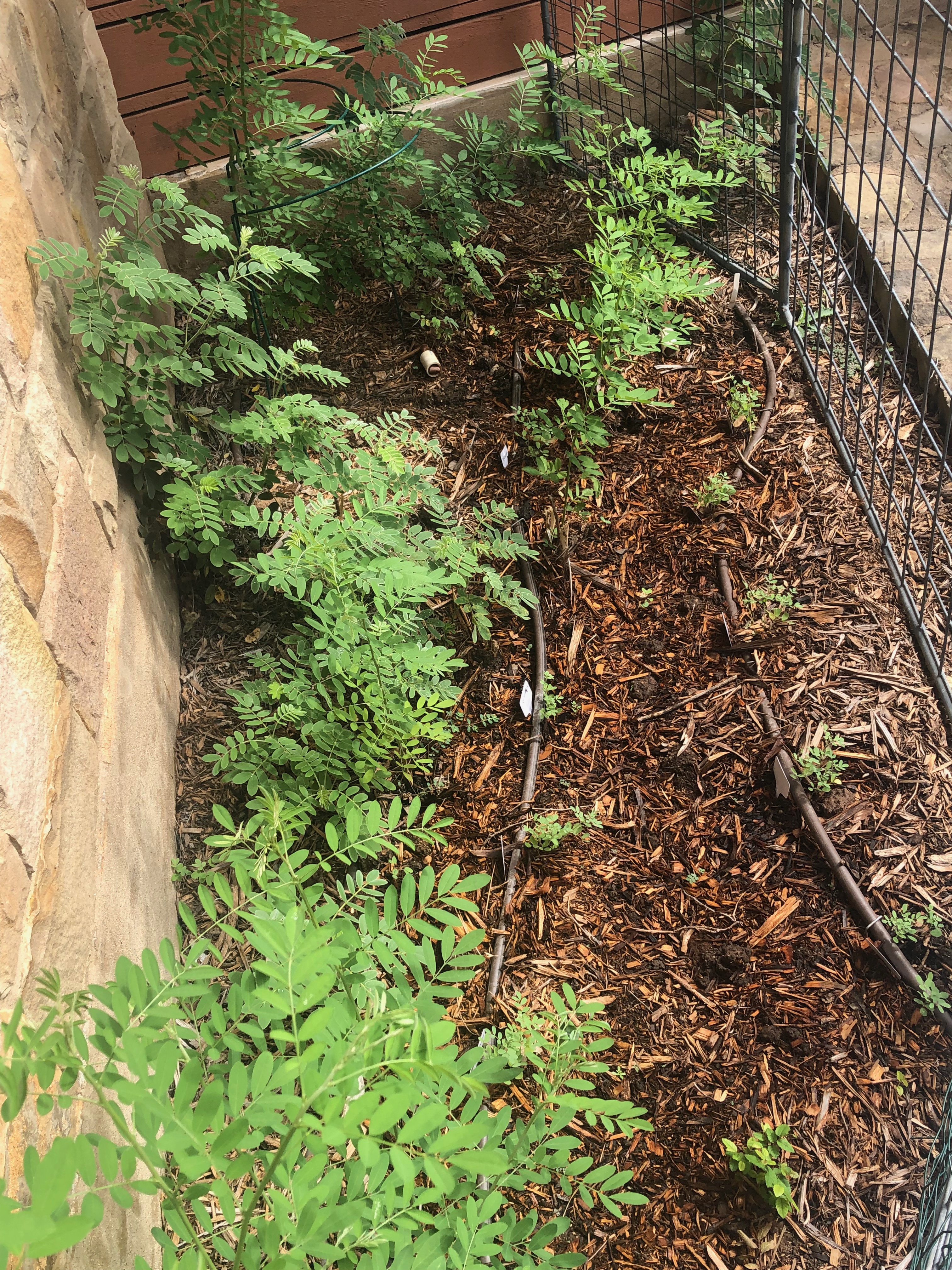
One & two year old indigofera suffruticosa and lindheimer senna (guardian plant) to the left along the wall.Marking the all important dripEast facing bed sunshadeWest facing bed sunshade
The plants have lived but all 4 species were very reluctant to grow. They stabilized, took hold of the dirt and filled out but height was not an option during our 100 degree plus days which went 45 days in a row. Usually by August I have happy 5-6 foot Indigofera Suffriticosa plants and have harvested pigment at least one or two times. Not this year, we are in survival mode for seeds and pigment is looking doubtful at this time. Unless more leaves make an appearance in late September.
As of August the Junction seeds are showing their seed age and were very scraggly. The Lindeheimer has daintily filled out and has a beautiful shade of green. The Bastrop took the heat in stride and along with my SC Indigoferat Suffruticosa filled out and looked “comfortable”.
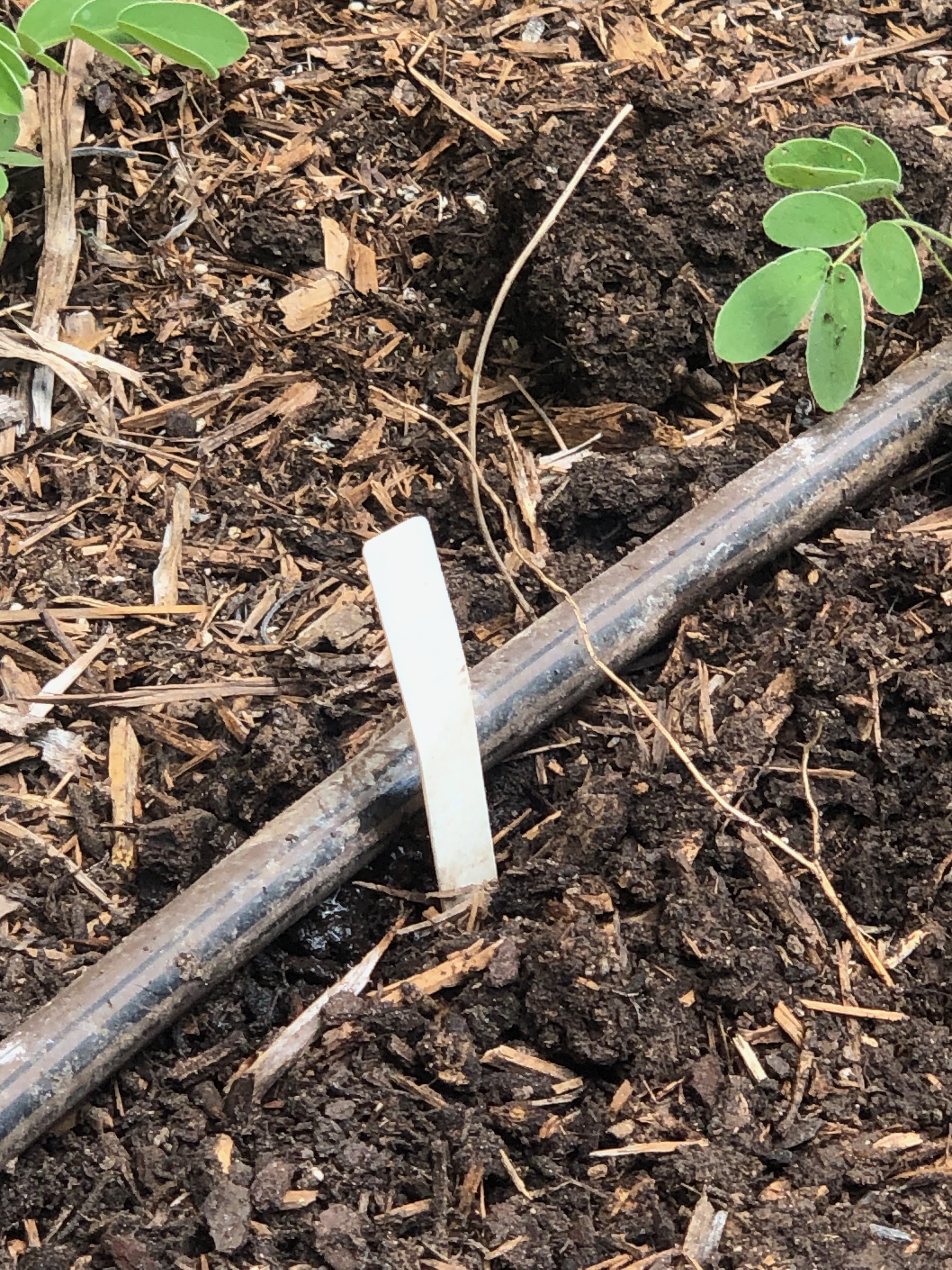
Choosing the working drips for the seedlingsLindheimer to the right, Senna and IS to the left
None developed height until the temps dropped to the mid-90’s in very late August and early September. My two year old Indigofera Suffruticosa got a better grow attitude and are now at 3-4 feet. The Bastrop is a bushy 18″ and happy. The Lindheimer is still dainty at less than 1 foot but is still leafing well. The Junction seed is flagging, drooping, not filling out and is just not happy. I think Junction is deciding to leave the building unless we get more cloud cover, which with this drought, does not appear to be in the books soon. Looking at the leaves the SC IS and the Bastrop leaves are very similar. The Lindhiemer and Junction have small and daintier foliage. All plants are more columnar shaped and have few branches and leaves compared to a normal “wetter” summer.
South Carolina Indigofera Suffruticosa looking happy but missing two feet in heightBastrop in 2nd place for happy, Junction to the right is strugglingTo the left the IS is happy, the Lindheimer stays dainty and 6″ tall
I will clip some stems and do a visual comparison for you on my next blog entry. But I’ll leave you with this comparison of two of the plants.
Note, SORRY guys, I accidentally deleted my blog post, my bad, let’s try this again.The 2020 season was time for experimenting with wet extraction of my Indigofera Suffruticosa and my Japanese Indigo. Prior years, due to our Texas heat and extreme weather, it was easier to pick the leaves and dry them for storage while I became acquainted with growing the plant itself in the Texas Hill country. You gotta keep the plant alive to reach the indigo cycle.
Let me just say for the record that I am extremely glad that Stony Creek Colors and Botanical Colors are vendors for indigo pigment. I enjoy growing the indigo varieties, but for my 110 gallon indigo vat I will never grow enough indigo to fill that vat adequately to obtain dark color for my paste resist work. However, I do small batches with my home grown indigo when I do stitch shibori or just need to overdye yarn skeins for weaving. Both methods, buying or growing are viable depending on your vat size or intent.
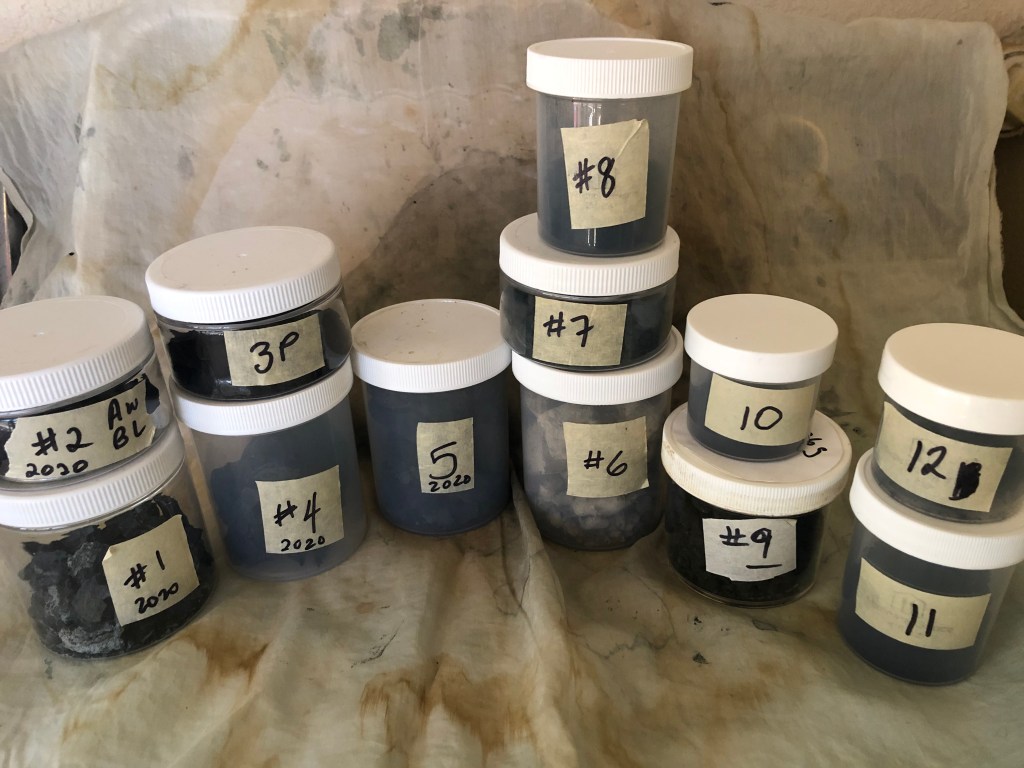
Below is my indigo pigment chart provided by Stony Creek Colors after analyzing my home grown pigment content, comparing vinegar wash versus no wash, and a comparison of Japanese Indigo versus Indigofera Suffruticosa. I submitted a total of 13 one gram samples over the season to test for pigment content. In other words, I process 13 batches over the growing season, kept notes on leaf weight, washing and kept them separate for testing.
Each test batch of dried pigment was 1 gram more or less. Summer Arrowood, Senior Research Chemist, was most patient in explaining their testing process. I had a question on the above chart on the last 2 columns on the right of the chart I received with my above testing. This is what I asked. “What is difference on your table between Indigo Content of Solids vs Overall % indigo of sample. Are you spinning out moisture from my sample or drying it further? Is the Overall % more indicative of indigo contained? I am having trouble differentiating between the phrases since they are referring to the same sample.”
Response from Summer Arrowood, Senior Research Chemist, “Your samples were quite moist, as much as 43% water in the case of #12. In order for our analysis to work the samples must be very dry. I dried the entire sample on a moisture balance and then took the dry material and analyzed it for indigo content. The ‘Indigo content of solids’ refers to this analysis. To get the ‘overall % indigo’, I used the moisture content and the indigo purity to calculate the % indigo of the sample as you sent it, including the water mass.”
My big surprise was the LATER in the season that I harvested my Indigofera Suffruticosa the HIGHER my indigo content went. I expected the indigo content to be much higher in July and August with the sun intensity, instead, October and November growth gave the greater yield in the Texas Hill country. This was in two – four year old shrubs. My field notes chart combined with the Stony Creek pigment report sorted by yield is below. Of course there are other notes on leaf weight/sun/process but this is an abbreviated compilation.
I’ve added my growing notes in the chart below in addition to the testing performed by Stony Creek Colors on my samples submitted. Chart is sorted by Indigo per Sample yield but I’ve included data to show you the seasonal cycle. The late season results were surprising. I was happy with the seasonal yield although it does include 4 batches that did not get washed to remove the calcium carbonate. I included the weight of pigment before washing and after washing. Towards the end of the season I had committed to washing with vinegar on all my batches and felt what I had measured earlier in the season gave me info I needed to see the difference. I calculated the the reduction in volume stored was about 80-90%.
I feel that reduction in volume was sufficient to justify the extra time washing pigment.As indicated in the indigotin chart, my Japanese Indigo did not perform well at all. I do not know why, but I suspect the intense sun here in central Texas had an impact on indigotin production. Even though I use a sunshade that does not seem to help the indigo production in the Japanese Indigo. Even looking at early season harvest my indigo levels were not high.
Details for those who want to know more….
In summary, I did only wet extraction in 2020, washed my pigment and compared seasonal extracts, washed vs not washed pigment %’s. Stony Creek Colors was very helpful in explaining their testing methods and indigo content % measurements to me. Having been educated by the grower/dyers in the FaceBook Indigo Pigment Extraction group I made the plunge. I am a measuring person, the type that likes to have an idea of what effort I am putting in and what I am getting out of it. My observation is that dried leaves were giving me good color on a small scale but exactly how much pigment are the dried leaves giving me? Wet extraction seemed to be the best way to measure the picked leaves, render them down to pigment and get a measure from that effort. I am a measuring person, so I have records of my leaf weight before I dry them to compare to the wet extraction results. I am also a frugal and “older” indigo farmer. I only want to pick as much as my limited equipment could handle and that I could lift. I had a good idea what I could pick, strip and lift in the AM and set out in my 5 gallon buckets to soak in the sun for a couple of days for the wet extraction.
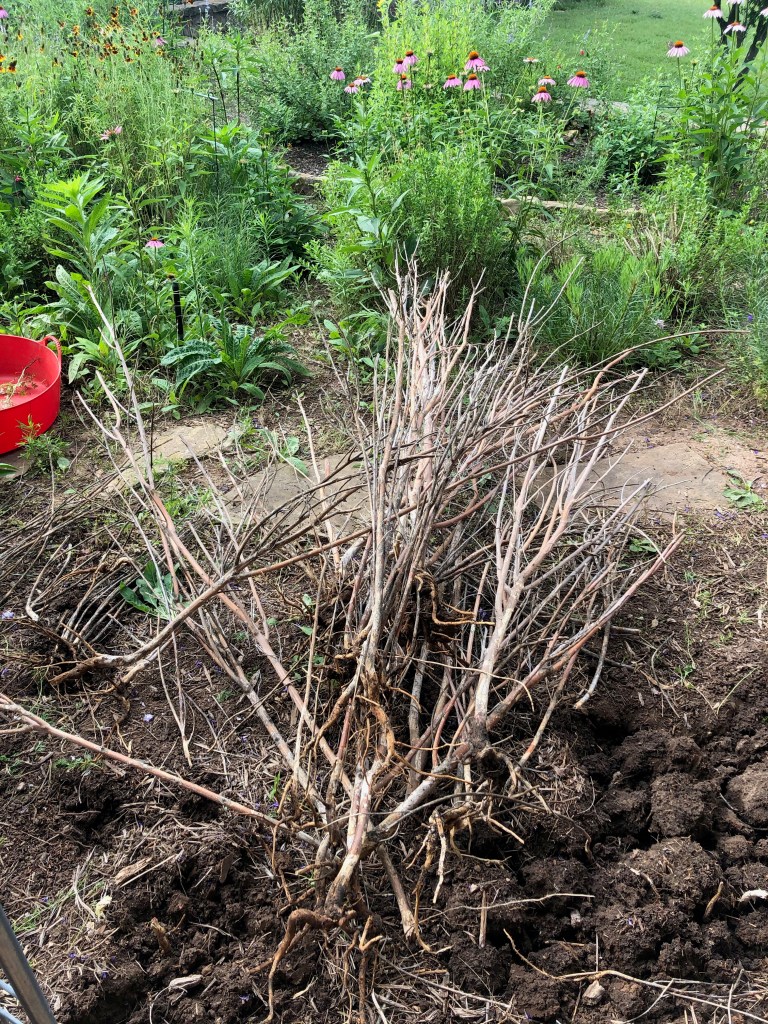
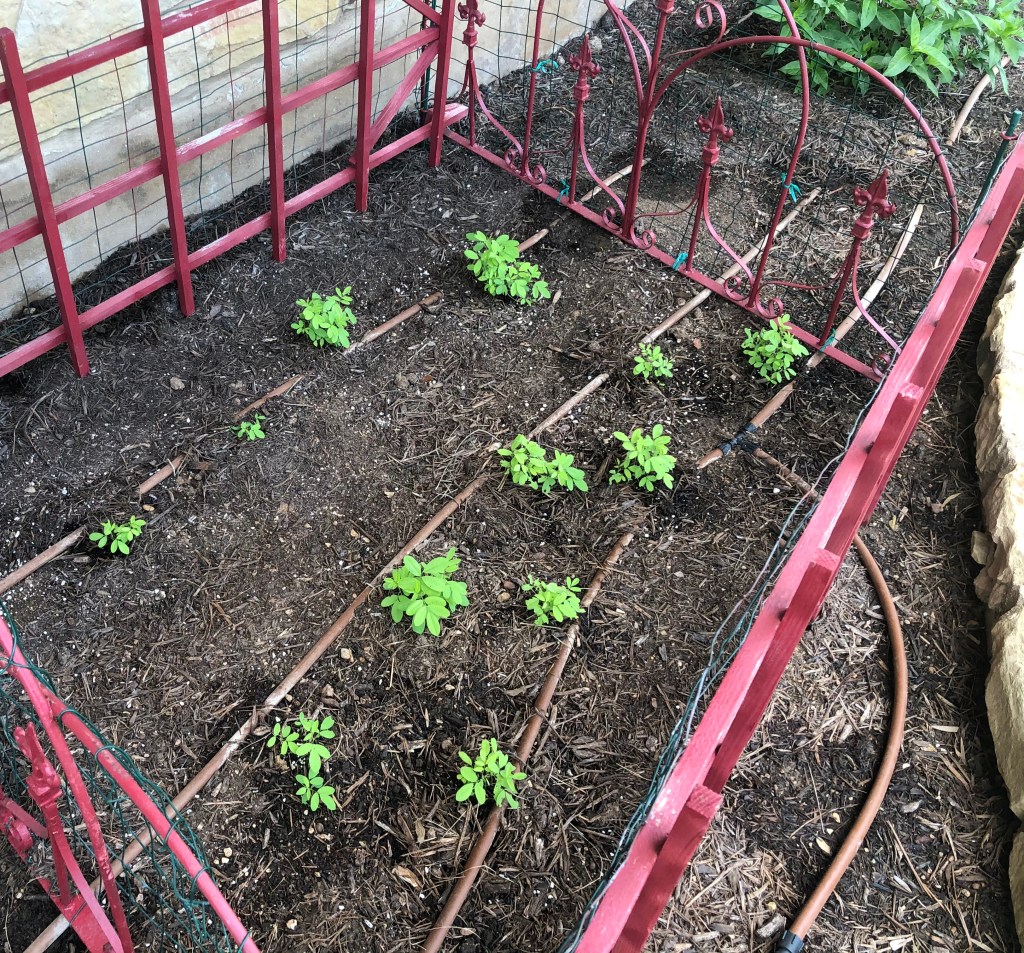
My bushes told me what I needed to cut as I could see the bluish tinge in the leaves. I trimmed both varieties for shape and for the winds to avoid damage during storm seasons. My Indigofera Suffruticosa shrubs can last for at least 4 or 5 seasons if I don’t have a killing frost or cold spell. It is now game over due to our major freeze and power failure we had in February 2021. This 2021 spring I am back to restarting my plants from seedlings. It will regrow! My plan was to double check my testing but with my bush loss this year, I had a test set back. 2022 will be the year to test the IS again in central Texas. I set aside growing Japanese Indigo as I am focusing on prepping the IS beds which had settled over 3-4 years as the shrubs grew and this is my time to reprep those beds for new plants. Heaving Texas soil takes time for a home farmer.
Good bye to the 4 year old bushesWelcome to the seedlings
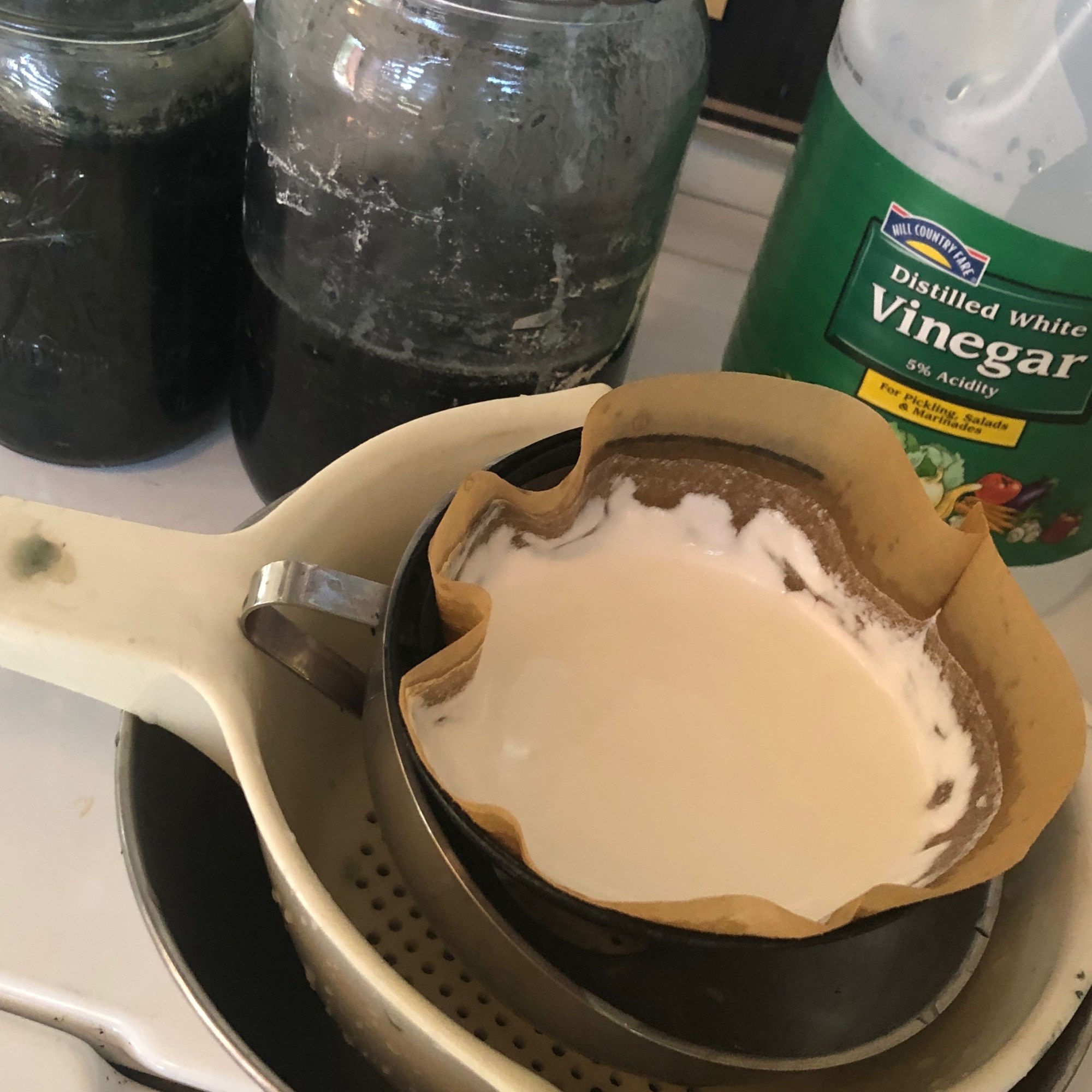
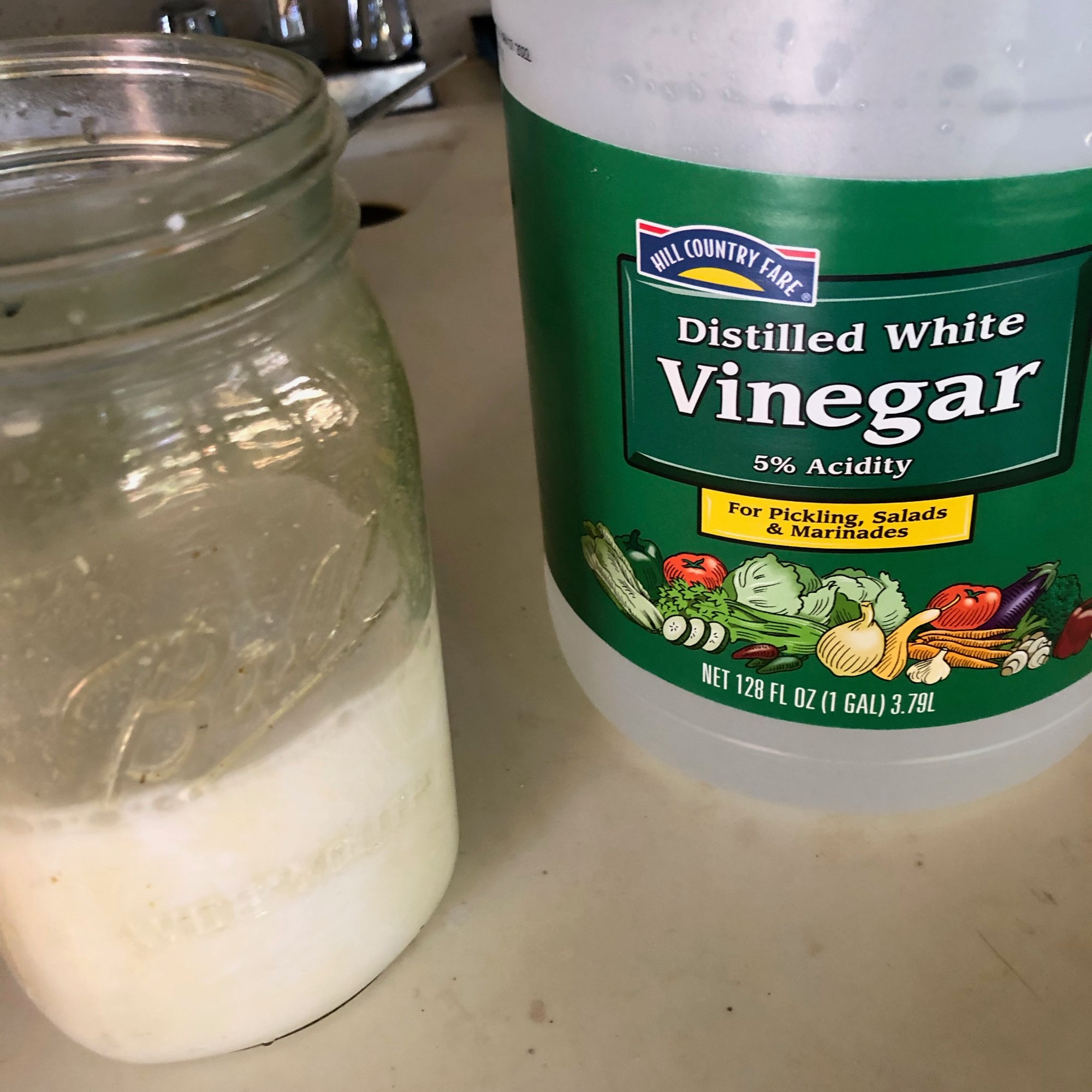
Washing Indigo Yield with 9% Vinegar
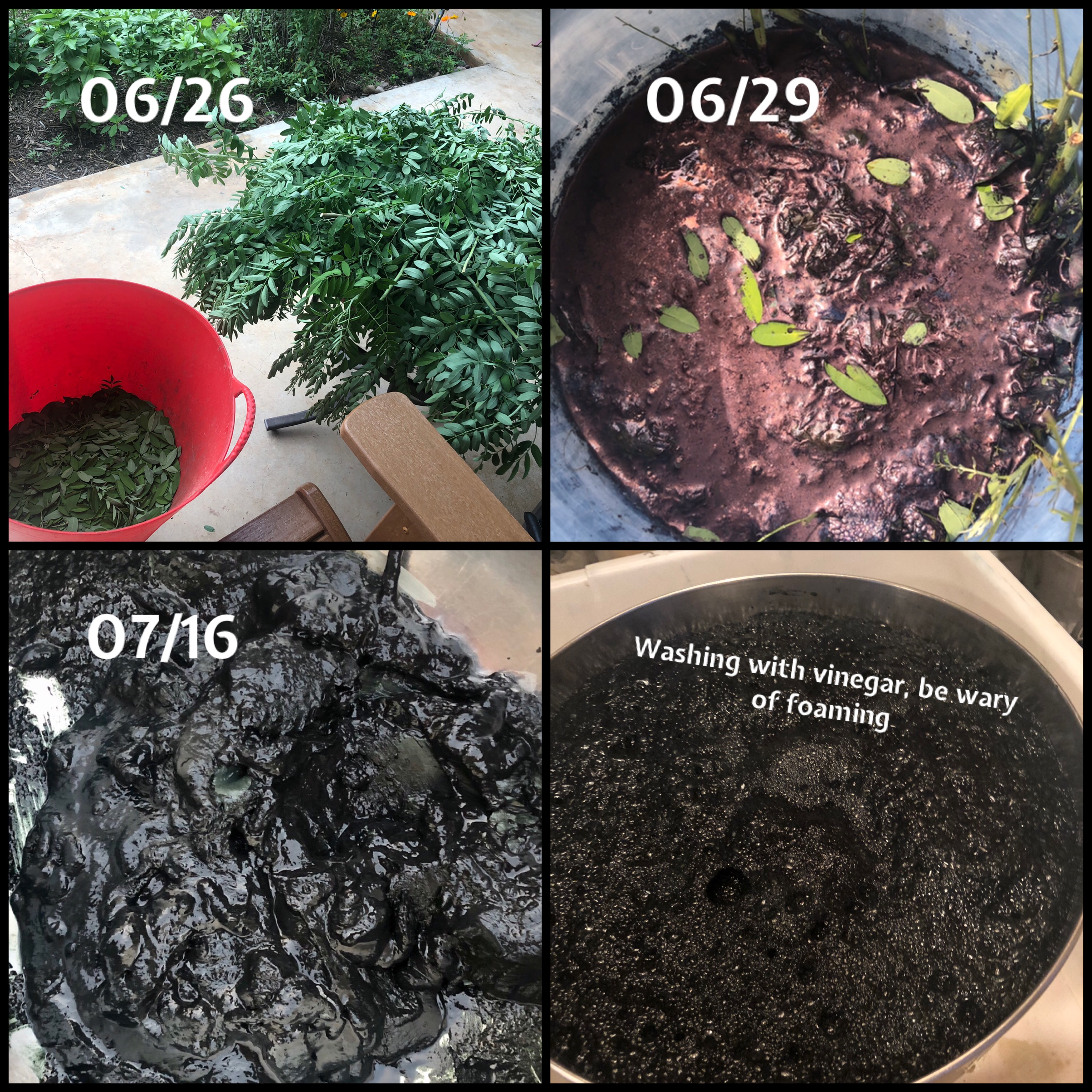
The kicker in the wet “measuring” process is the calcium hydroxide used to flocculate the indigo and get It to settle for filtration. Despite trying several methods of just using water settling the indigo, my observation is that this method takes way too long for the indigo to settle to a useable filtration state. Using the calcium hydroxide is much more efficient for me and enabled me to get on with the process and my life outside of indigo. But, the 4-6 tablespoons of calcium hydroxide added for flocculation adds weight and one cannot get a clean measurement of just pigment. So I investigated washing my pigment with 9% vinegar to cleanse it of the calcium carbonate which the calcium hydroxide inevitably becomes when mixed with water and oxygen. Leaving it as paste just adds to bulk and one must always add more slaked lime to reactivate the indigo chemistry to get the bonding. Plus washing reduces the sludge. I have heard mutterings that the vinegar washing impacts the indigo paste but I have not found anything in writing. Folks do wash only with water, next time I will try that against a vinegar wash and compare.
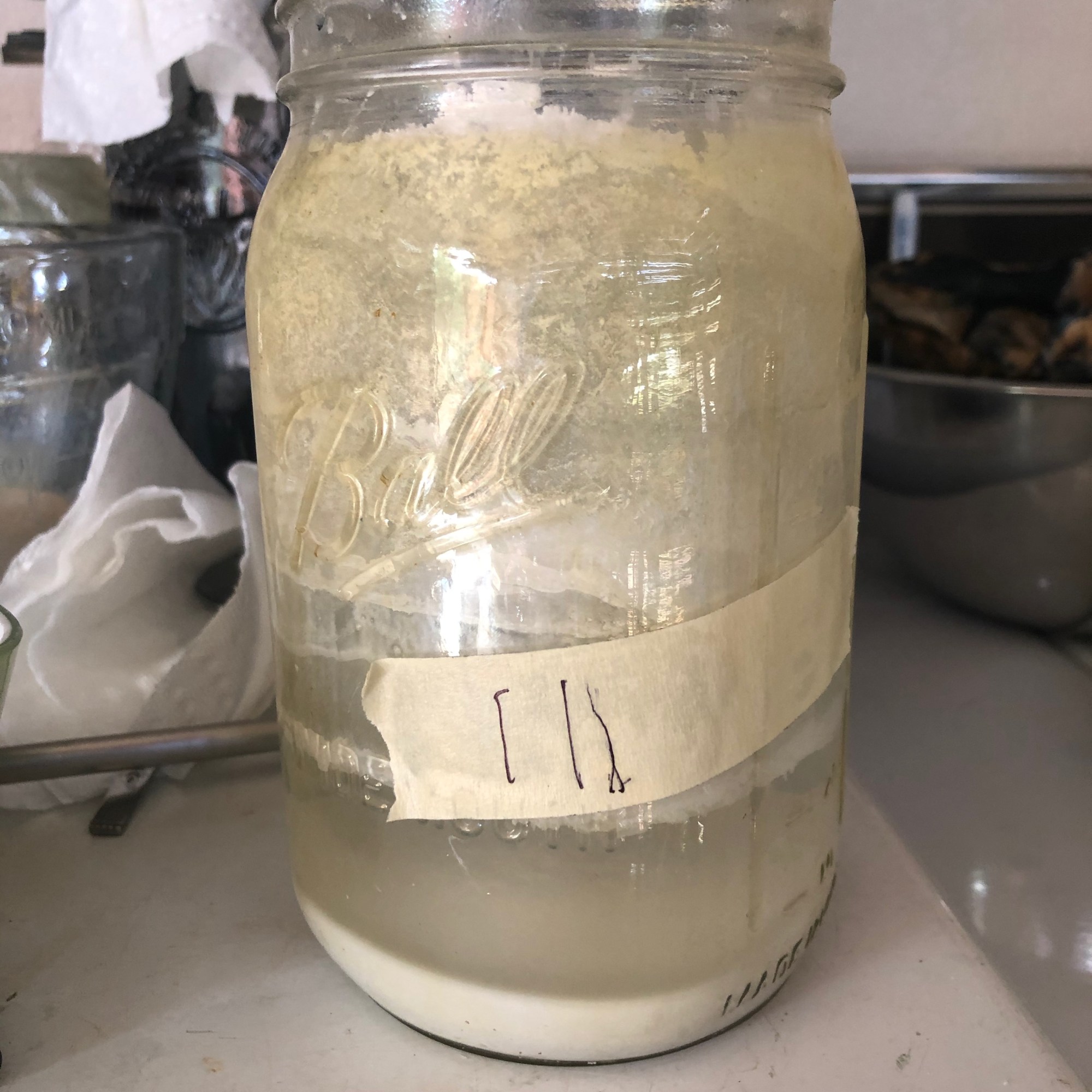
On a side note, I mixed ONLY calcium hydroxide and water and used my sump pump as if I were mixing a flocculation brew to create a test. I washed it about four times and did see a major reduction in calcium carbonate volume. My observation is that I had the greatest reduction with the 9% vinegar after two washes. Wash 3 & 4 worked but just seemed like extra effort just because I could. Unfortunately, at that time my mom was having a round of health problems, so I did well just to complete the vinegar washes and capture photos. My intent to measure reduced volume each time was thwarted by real life outside the dye patio. Sometimes I just had to walk away from the dye patio process and leave everything to wait for me until mom was cared for. But visual observation of the process showed the reduction was substantial despite the lack of measurement of the process.
Watching the vinegar work on the calcium carbonate
Two Looms was very generous with information as to how they clean their indigo with citric acid or hydrochloric acid. However, we are on a well and septic system with direct discharge to the Pedernales River and I felt like that journey was beyond my chemical skill set, hence 9% vinegar. I haven’t tried 20% agricultural vinegar but it is definitely on my list. I need to investigate safety measures needed for that level of acid and recommend that one check the MSDS data to understand the risks of 20% agricultural vinegar. It is a chemical that can hurt you. Nine percent works just fine for me. We are sitting on alkaline limestone, so I don’t feel real bad about discarding vinegar dissolved calcium carbonate water into our natural system.
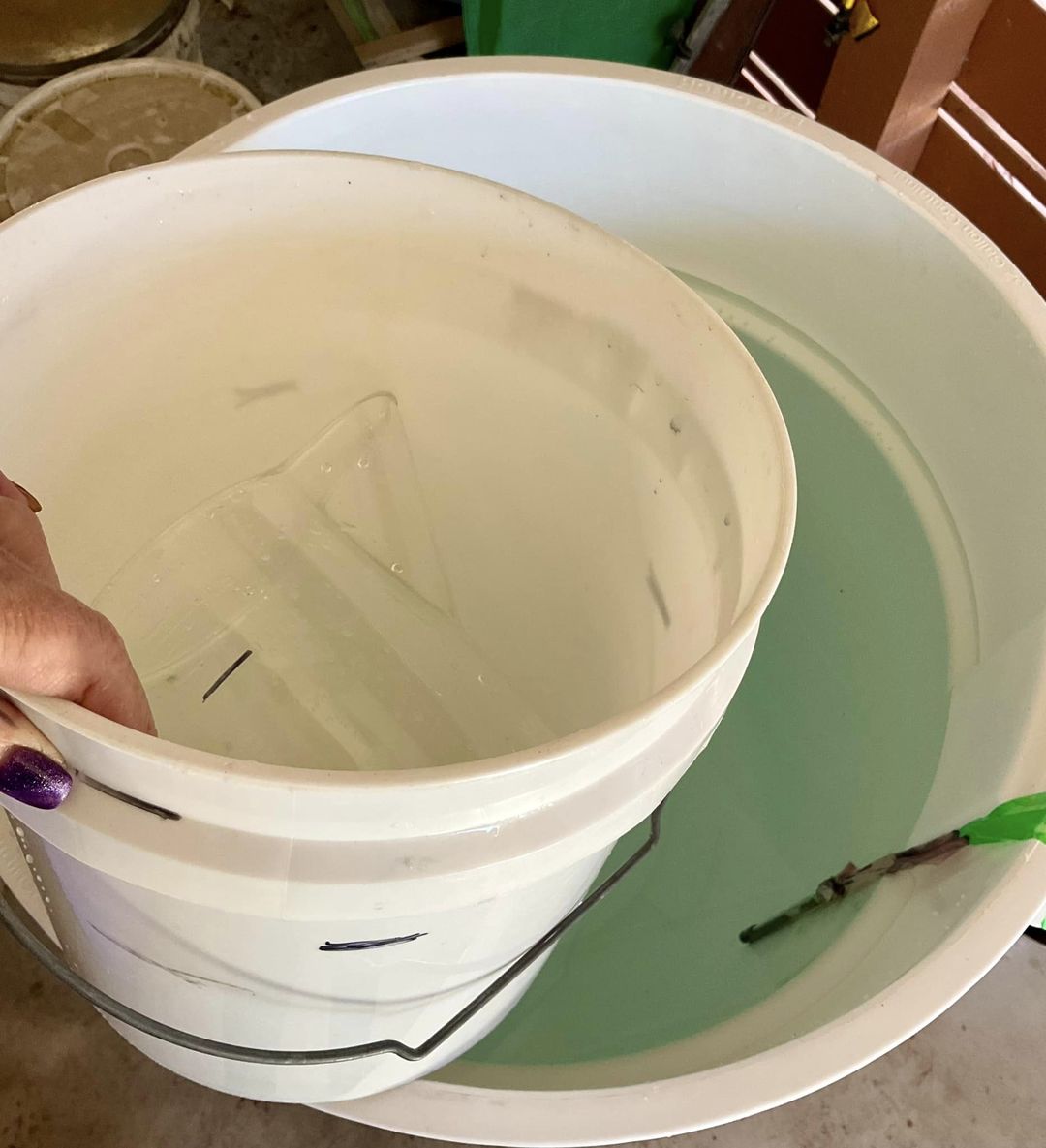
I found 5 gallon buckets and the Dudas 25 micron filter really useful for washing the pigment in manageable amounts. I usually wash it with a 3:1 9% vinegar to water at least twice AFTER the normal filtration is done. I found the wet paste mixed well with the vinegar brew. One learns to mix the vinegar in slowly or you get the lava foam effect and can lose solution from an overflow accident. Keep an eye on the foam reaction. That is the vinegar hitting the calcium carbonate and dissolving it. This is a good thing except when it overflows your filter. This step takes time but if you’ve been extracting indigo from your leaves you aren’t in this for a quick process.
The benefit of washing with vinegar means I am not storing wet paste and the dried and washed pigment is MUCH easier to grind. The volume reduction is significant between wet paste and dried pigment and does not require a refrigerator or extra storage space. If you do the math on my chart above you’l see that I had a 60 – 90% reduction in volume. Here is a link to a YouTube video on my vinegar washing, you’ll bounce over to YouTube, sorry, WordPress changed some functionality and I could not get it directly into my blog. This gives you a view of how I wash my home grown indigo and ALSO how I wash the Big Jar at the end of the season to retrieve my indigo for the next solar season. I learned about storing mud from one season to the next from the indigo masters in Sapa, Vietnam who were very genorous with their knowledge. I met them thru Above The Fray – Textile Travel, a great journey with friends a couple of years ago.
I’m glad I went to the trouble and expense to separate out batches over the season and get the analysis of indigo content. My next step is to compare my dried leaf output to the wet extraction to get a general idea of what 100 grams of dried leaf indigo gives me compared to my pigment. More math is in my future when I am in the mood.
This was an extremely long blog entry. Any suggestions, questions or comments would be most welcome. Deb Mc
And here are the results of the blender comparison. My interest was in pushing the use of the beta-glucosidase found in the Japanese Indigo species to affect other varieties of indigo, in this case, Indigofera Suffruticosa. A paper titled
rβ-Glucosidase in the Indigo Plant: Intracellular Localization and Tissue Specific Expression in Leaves
compiled by a team of Japanese scholars goes thru some of the details of cell structure. This paper is located on https://academic.oup.com. I am not a scientist but am using the culture of grandmothers’ knowledge to try this. One day I will hook up with a scientist to understand WHY this works.
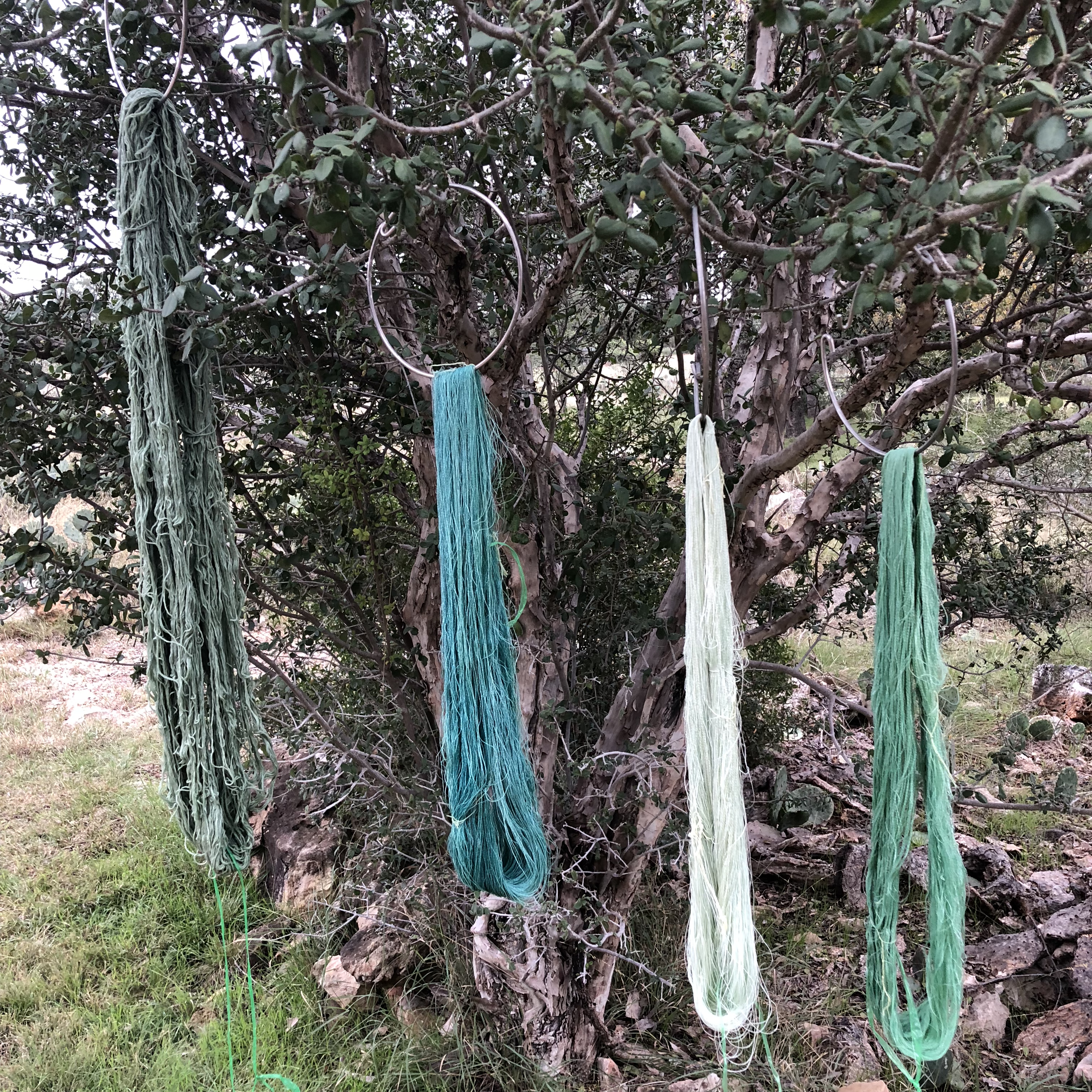
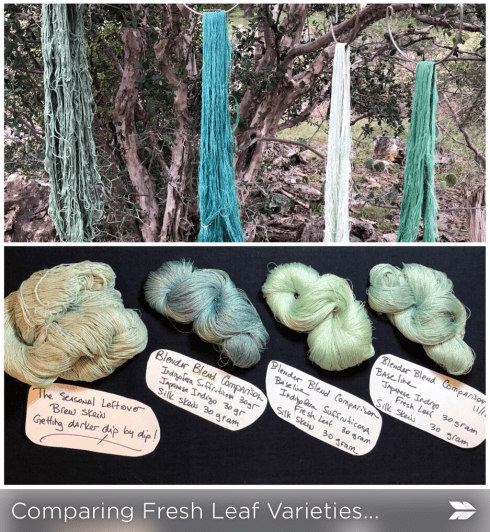
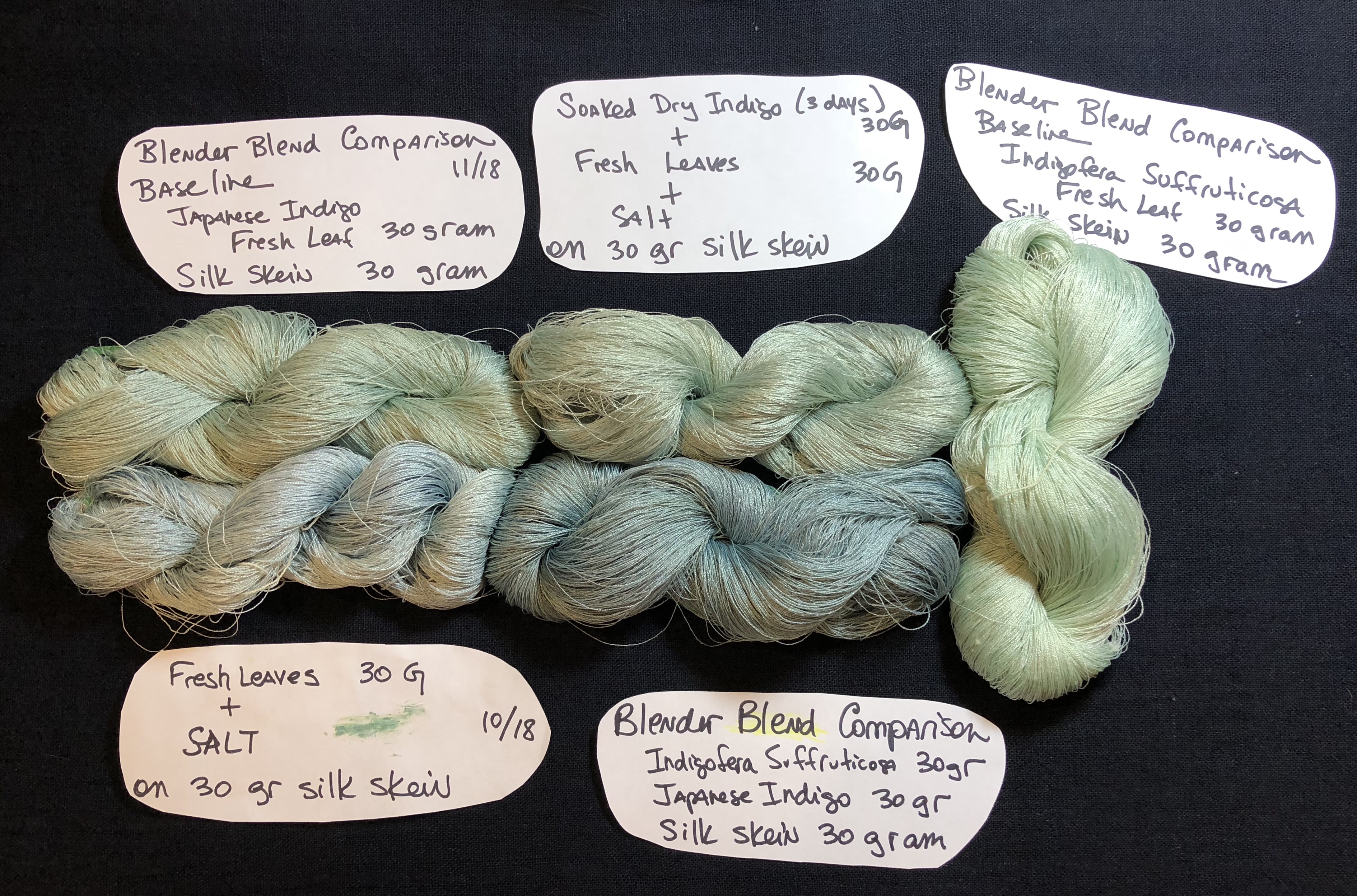
Let’s play “What was in the fresh leaf blender?” Please note these skeins have not been washed! More to come after washing to see what really sticks. ANSWERS BELOW!
1. Which skein is blender indigofera suffruticosa?
2. Which skein is blender Japanese Indigo?
3. Which skein is a “blend” of both Japanese Indigo and Indigofera Suffruticosa?
4. Which is the leftover skein for all season?
Please note the @botanicalcolors hoops in use!
Note how the Indigofera Suffruticosa mixed with the Japanese Indigo presents a stronger blue rather than the traditional green of Blender Japanese Indigo
One of my indigo friends asked me a very good question. How much space does Indigo Suffruticosa take up? So I went out and measured my bushes in my garden. Understand that the info provided here is based on an experimental garden location in the Texas Hill country in an irrigated terrace area. I could grow more but had to know if the plant would survive, provide indigo and seeds. We are all learning. I happen to be a couple of years ahead of you. Keep in mind we are all in different growing regions.
In case you don’t have your seeds yet, they are available here. SOLD OUT FOR 2018!
Exposure I placed the plants in three different exposures, full west sun, morning sun with afternoon protection and limited sun with deer exposure. All three exposures have worked.
Water My spacing is based on protected areas within reach of my irrigation line or spray locations. Your garden may differ. Bear in mind, your plant needs some water about 3 times a week, no matter how it is delivered to the plant. I happen to use alkali well water for my irrigation. Your plant will be grateful for any water delivered to it no matter what PH.
Spacing Individually, at full leaf bearing size an individual plant takes up a 2′ by 2′ space with heights ranging from 4′ to 8′. I do trim my bushes to keep branches from breaking in our wind storms. We are both happy at the enforced 5′ height. I have let multiple bushes grow together at 2/3 per bunch. One always becomes the dominant plant. I let the others come along for the ride as long as they give me leaves, if they don’t play well with the main bush they are cut back.
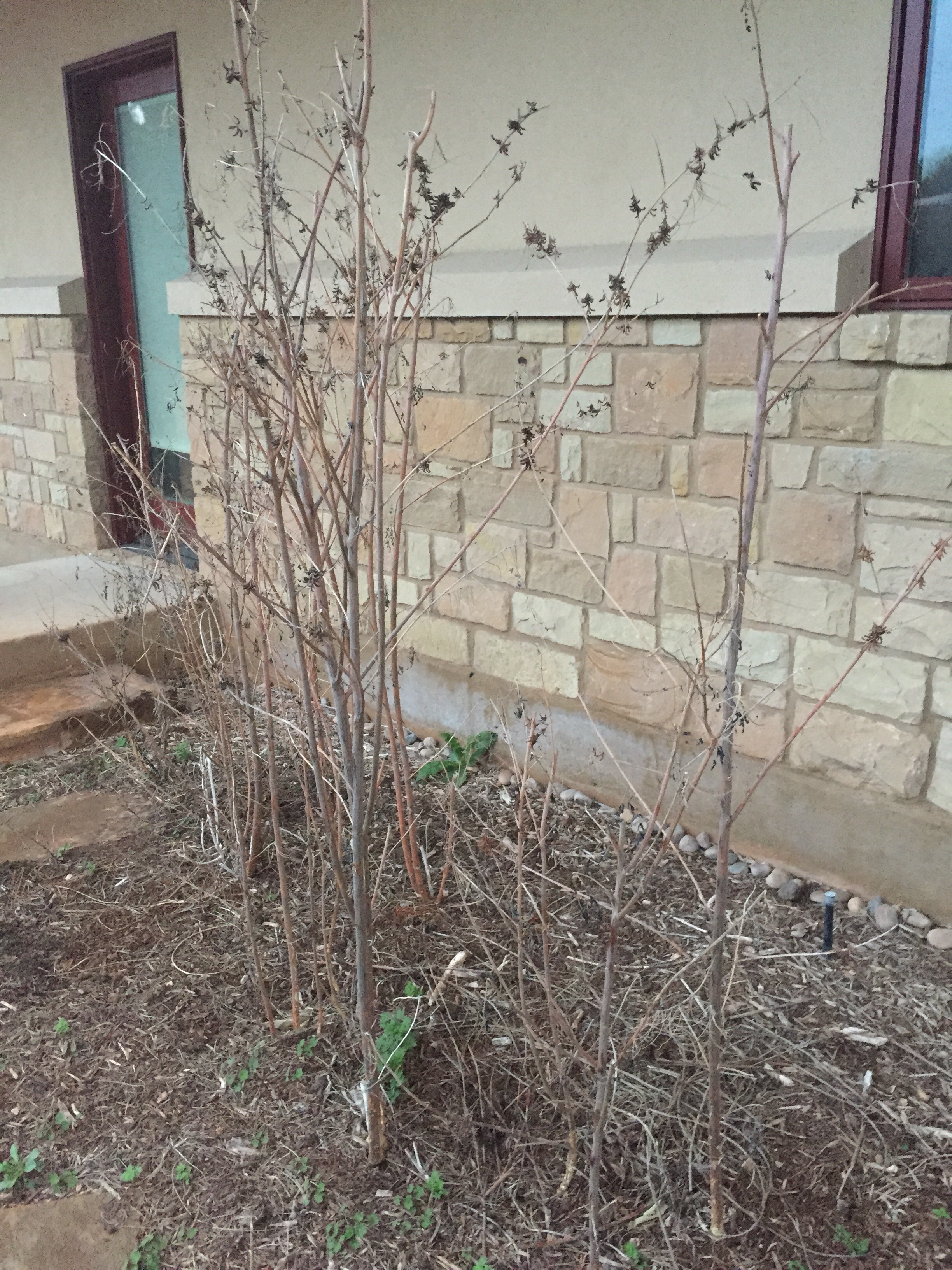
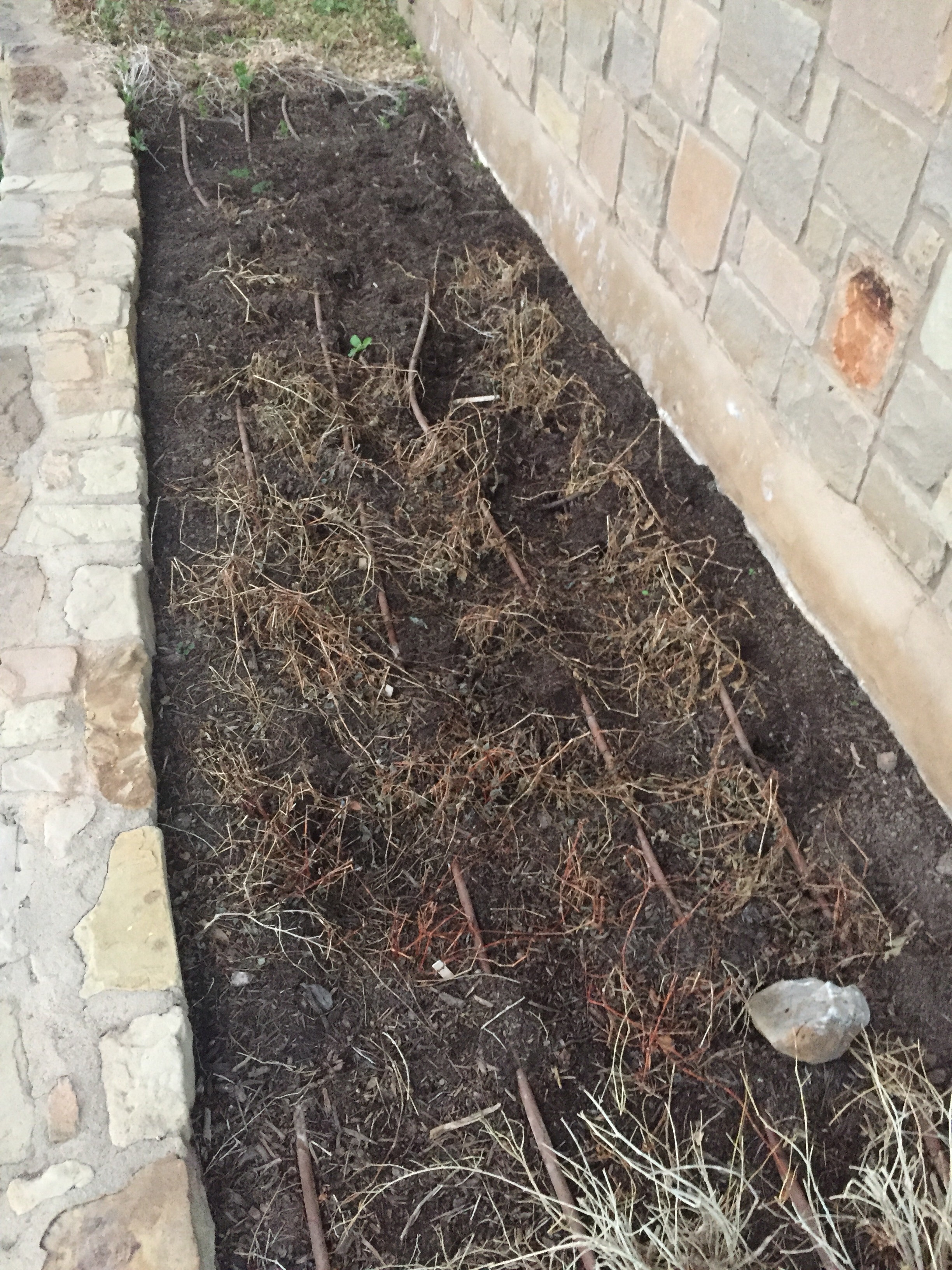
Bed Size East Morning Sun Bed is 8′ (space limited) with 17 plants and West Sun bed is 9′ (limited due to west exposure/would they live – yes) with about 10 plants. Both beds are 3 feet wide and the plants are staggered at 2 plants deep. These photos are of the late winter beds so forgive the weeds and scraggly appearance.
East Bed
West Bed – limited planting
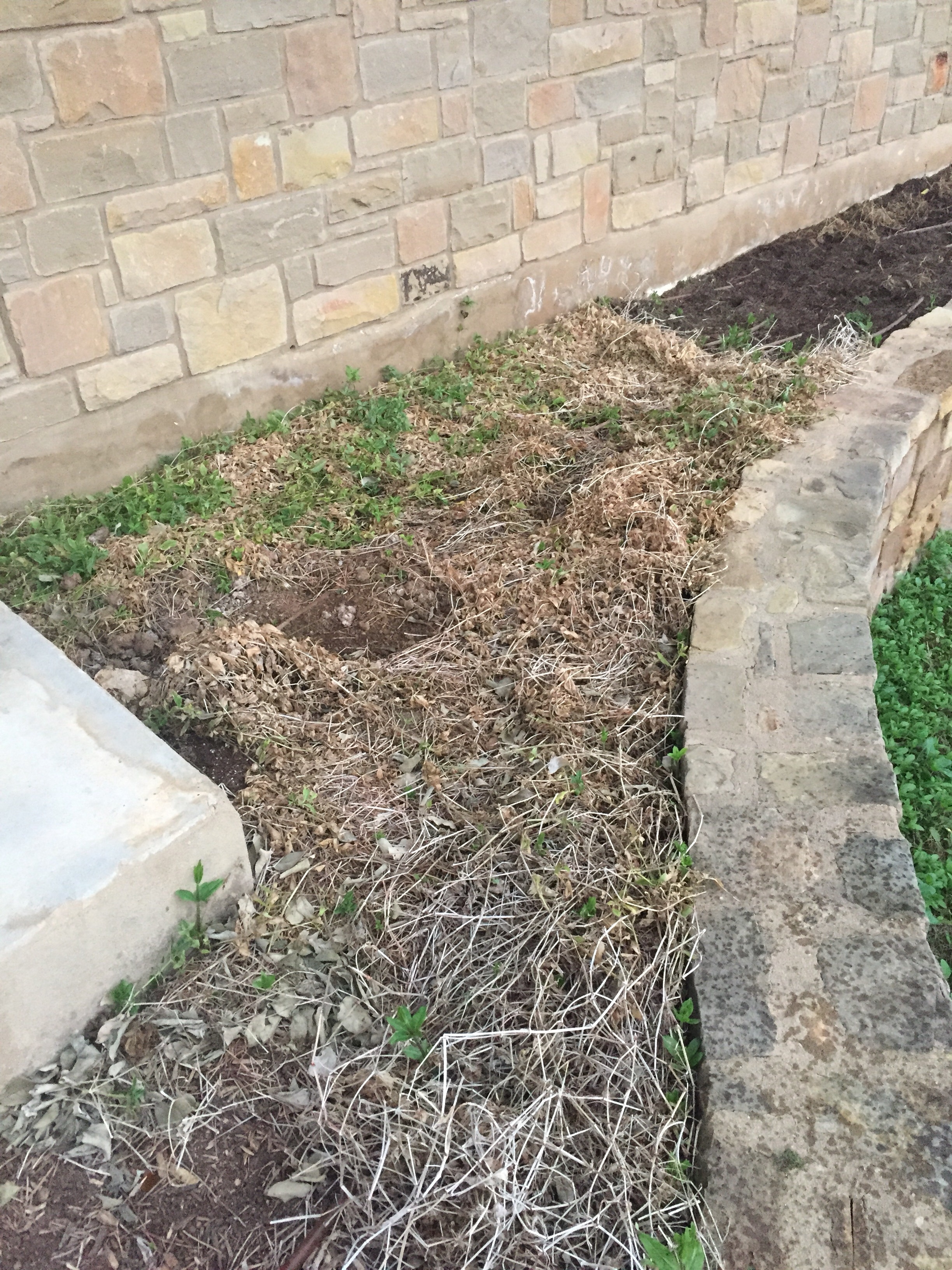
Finally, I am on “bud watch” right now. The plants are still dormant, the ground temps are not yet warm enough but we are very close to bud break on the plants that have survived. In my area the bushes live about 3 years. If we get a hard freeze I can loose all the plants. We did have several days of 14-16 degree weather here so it is possible not all the bushes will come back. I do start new plants, which do yield indigo in the first year and will plant them in once I see who has survived. Typically I pull the dead plants, give everything a good feeding and put in the new plants for the season.
Closeup of the branches I am watching for the buds to break on new stems and leaves.
I understand fully why folks have cultural blessings for their plants for a good yield and growing season. I have said a couple of those prayers or curses myself over the leaf cycle. May your growing season be joyful and curses be few.
Today I hosted 3 UT Art Graduate students and showed them the winter dye garden. Even though all outside was frozen or dormant there was plenty of color in the studio to show them. It was a fun 3 hours of give and take and seeing the art world thru their eyes.
The indigo suffruticosa is cut back and dormant but the seed pods were beautiful.
The madder root bed was frozen back but we weeded and looked at the roots gleaming with color.
The Japanese Indigo beds lay fallow waiting for their early spring turning of the soil. Some frozen indigo leaves showed their true colors.






 debmcclintock
You must be logged in to post a comment.