Archive | Dye RSS feed for this section

Soy milk, watercolor & pigment

1 Mar

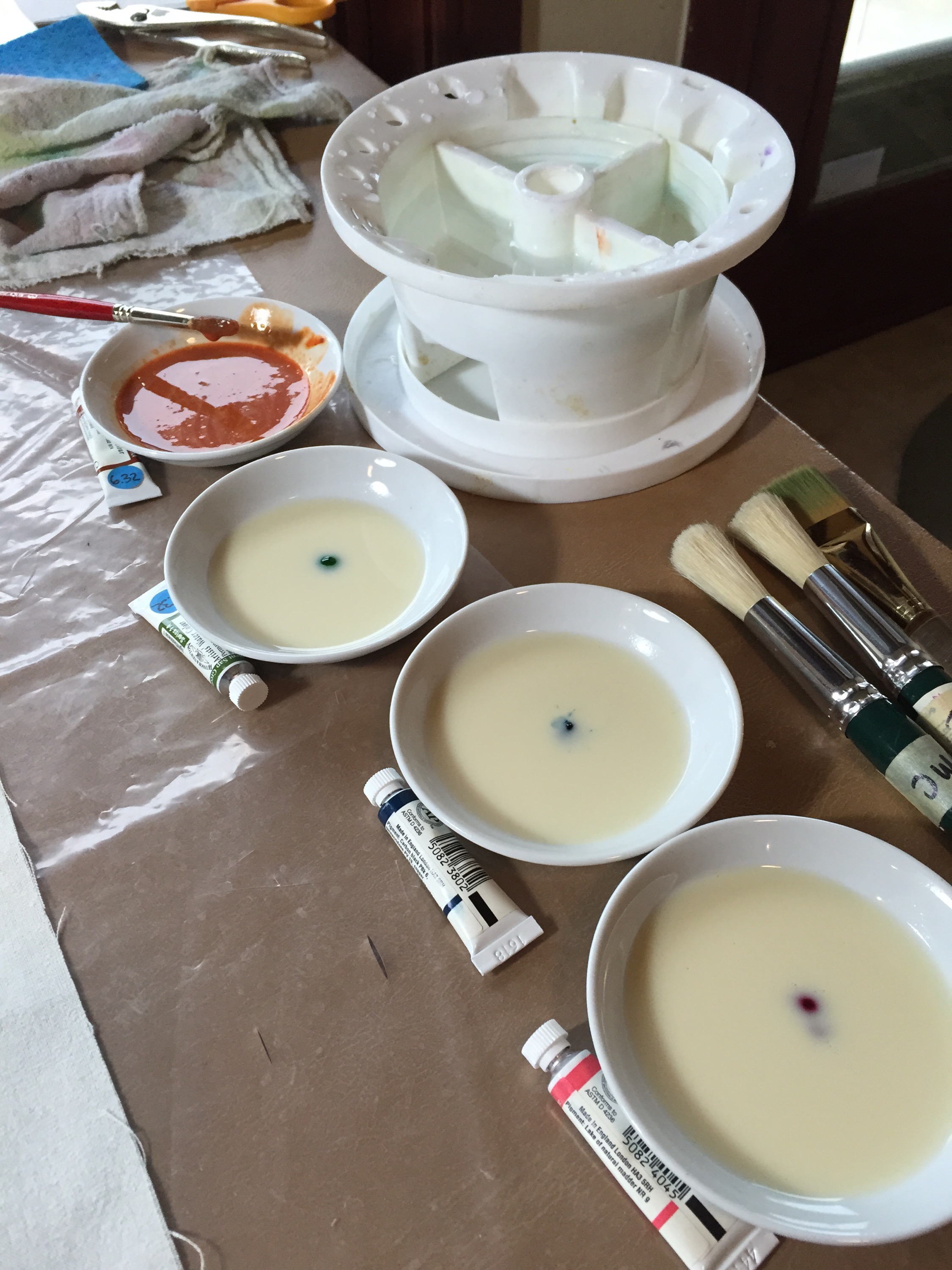
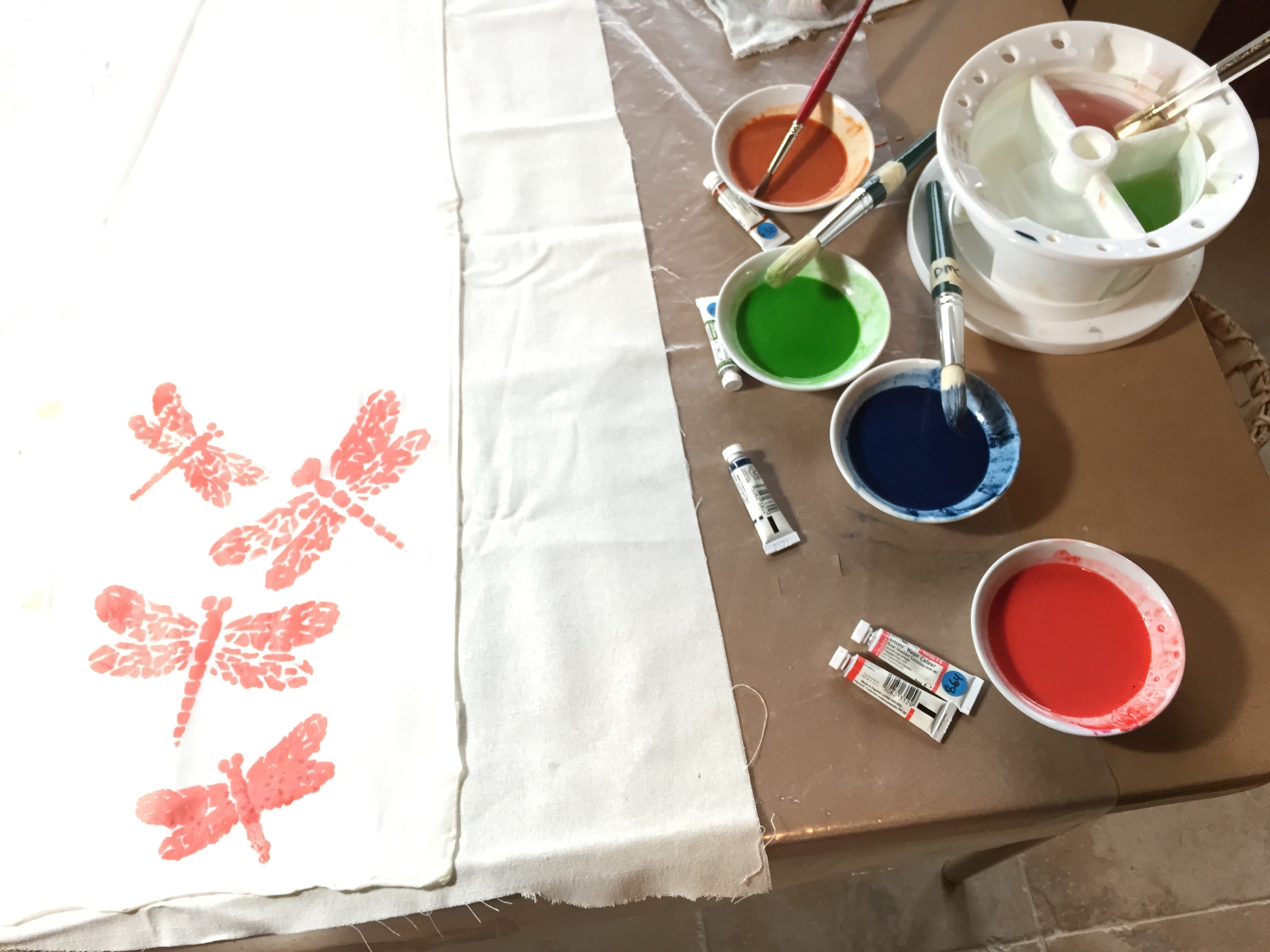
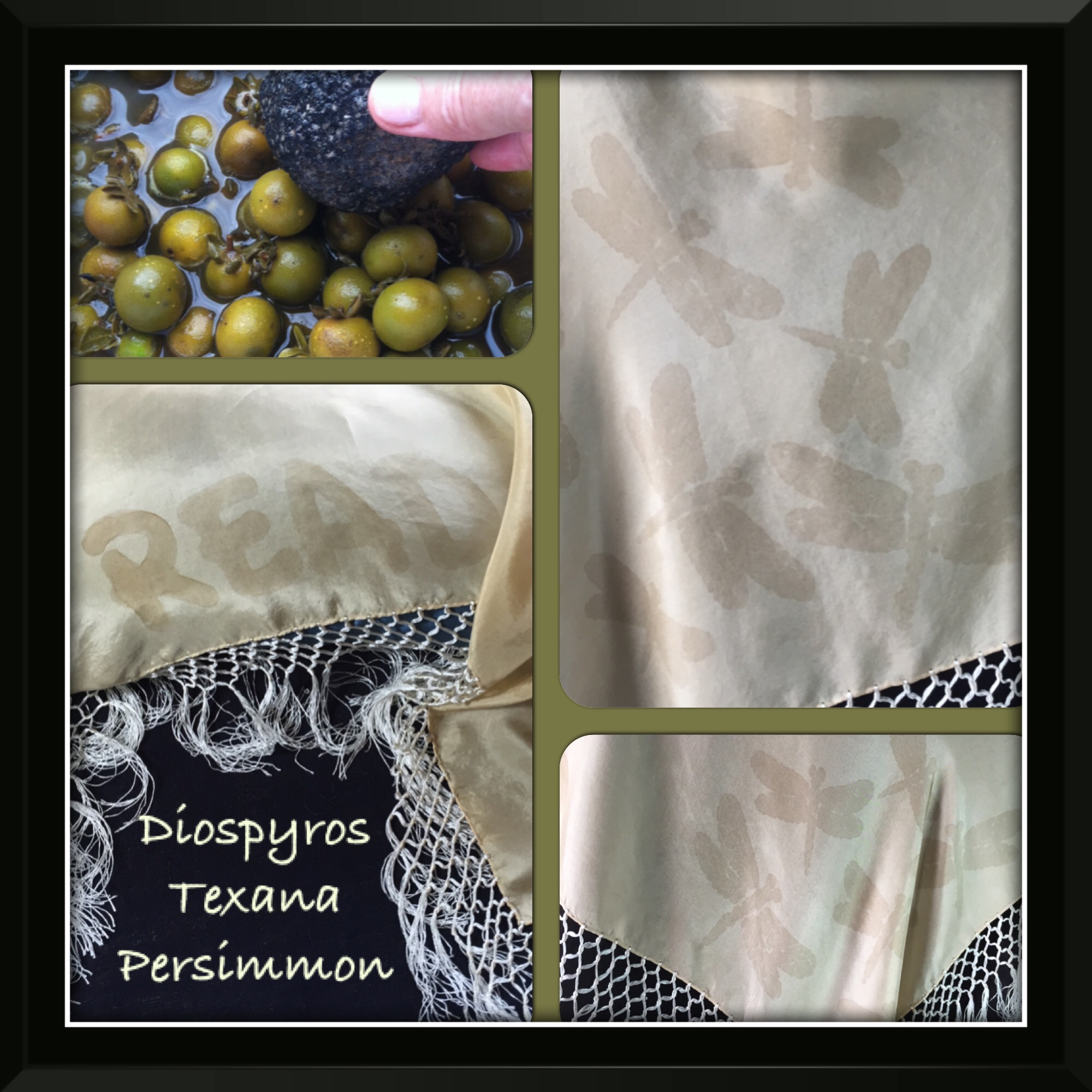
Today I finally got to play with my soy milk, watercolors & natural dye pigment. These ideas came from the Japanese Katazome tradition taught by John Marshall. John covers the basics here on his web page.

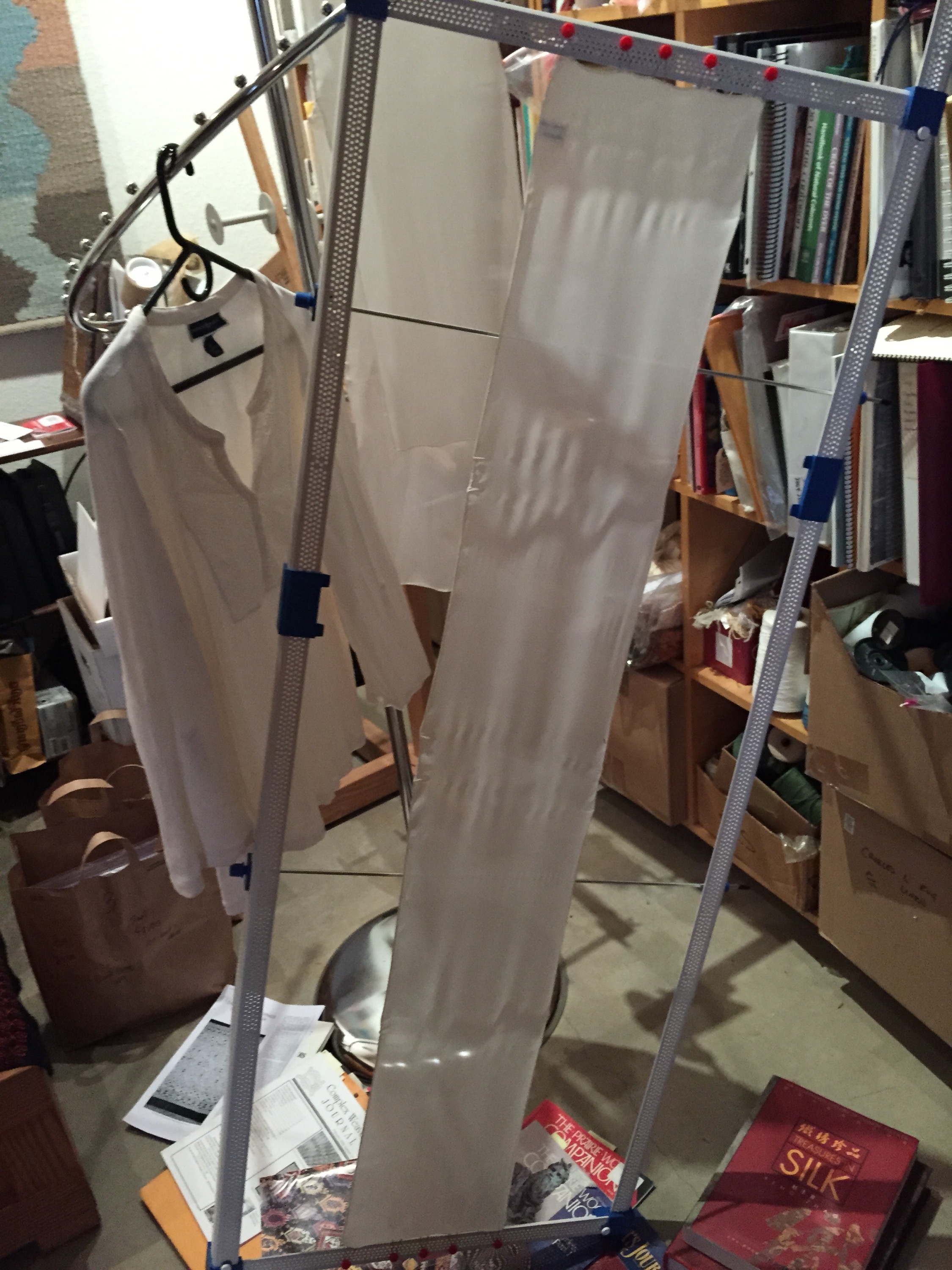
My friend, Marge, helped me figure out my support frame. Once that puzzle was conquered we sized test scarves with soy milk. We let the scarves cure for a couple of days and after Marge left I got to do some color play.

IMG_7602
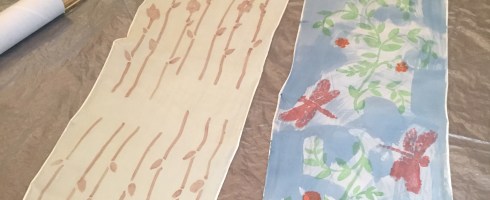
The watercolors mixed nicely with the soy milk. I do need to work on my brush work and stencil skills.

IMG_7600

IMG_7603

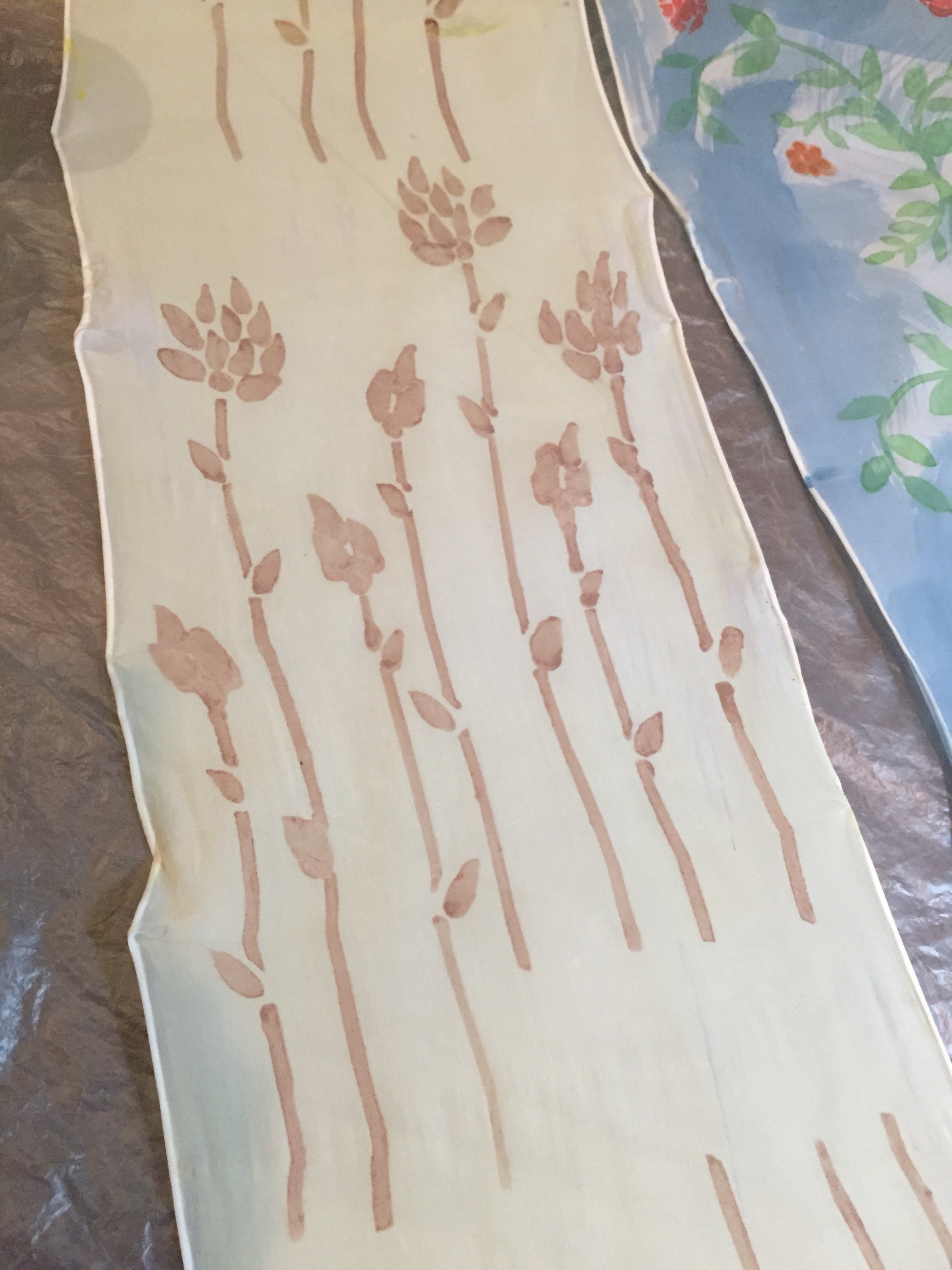
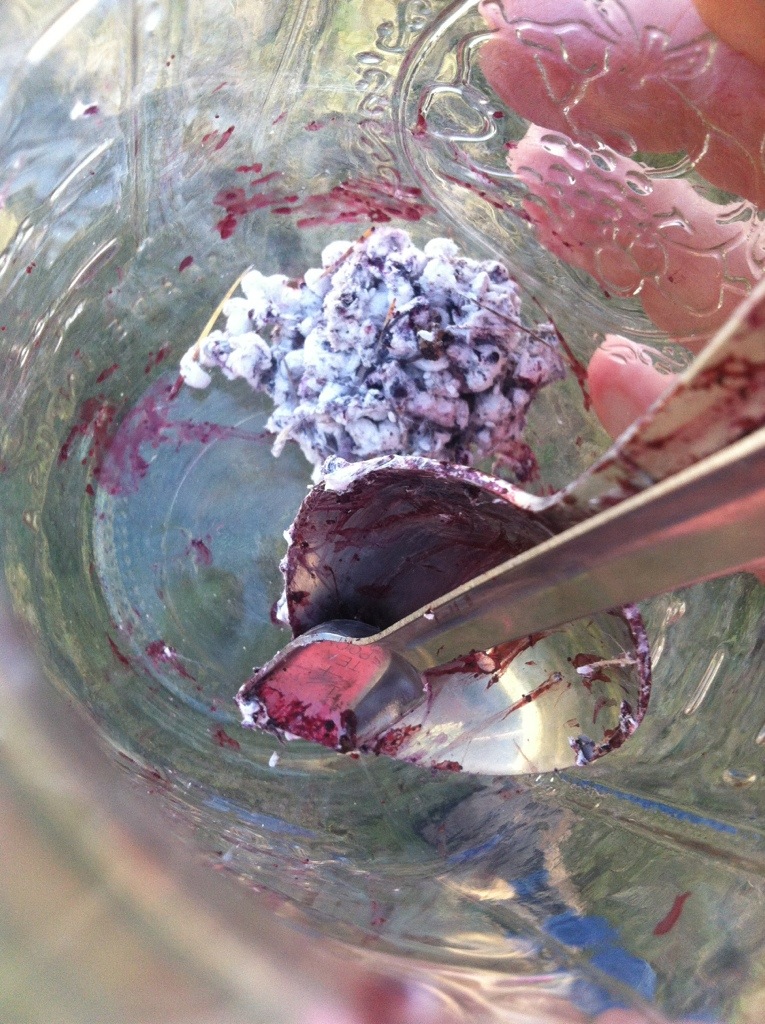
My pigments that I precipitated with calcium hydroxide were definitely not as bright as the watercolors. The lichen oxidized from purple to brown during the precipitation. The weld exhaust was….well, exhausted. I got a nice yellow back wash but not weld yellow.

IMG_7626

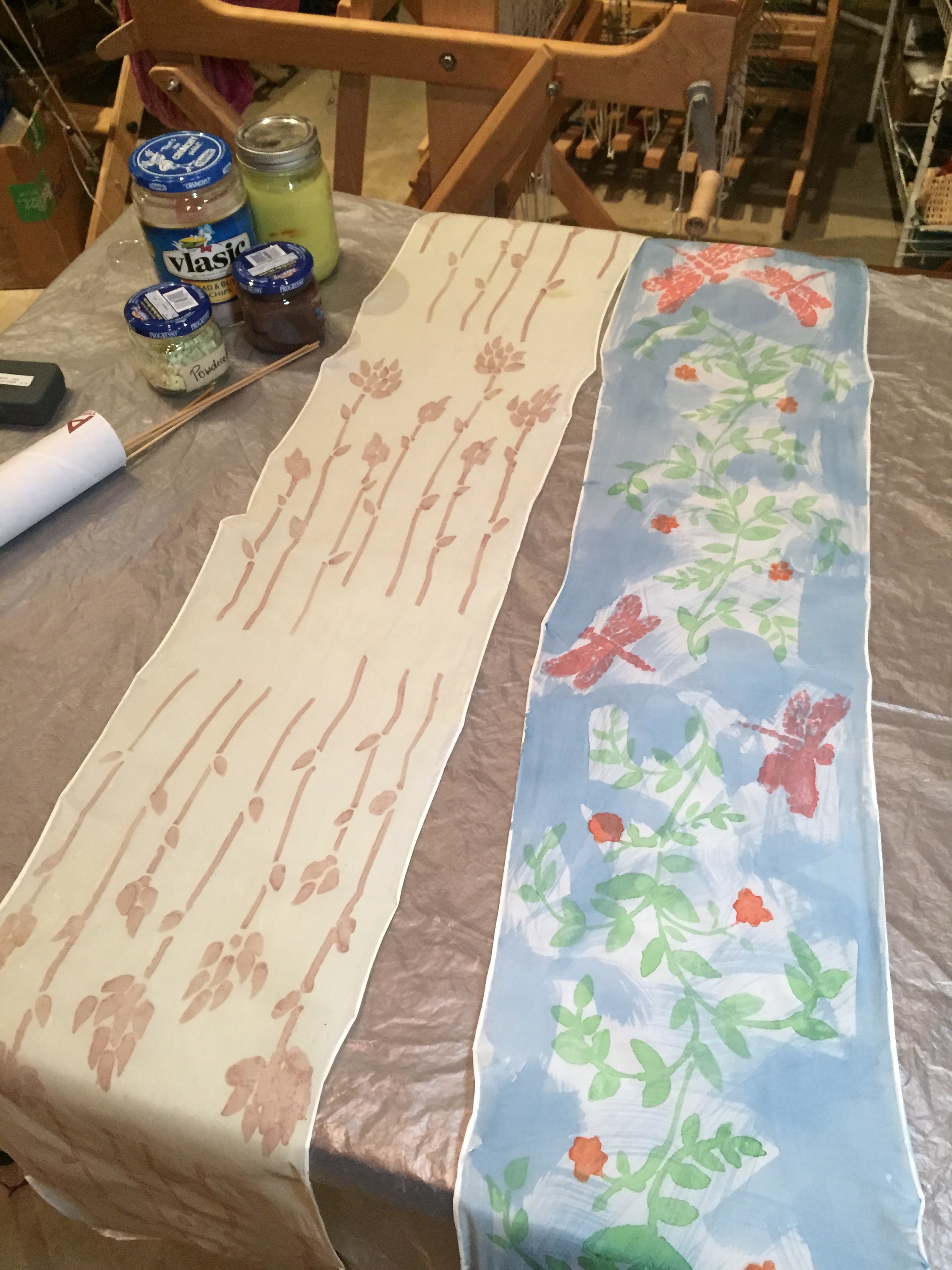
The pieces are drying and tomorrow I will mount them on their frame and give them their final coat of soy before I set them aside to cure. Once cured they will get a hand wash and steam pressing and I’ll see how each method, natural dye precipitation and watercolors work with soy. I am happy with the possibilities!

IMG_7623

Harvesting Madder Root In the Texas Hill Country (aka Texas Red)

2 Feb

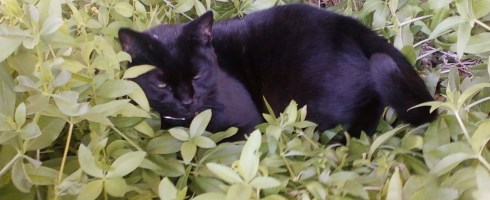
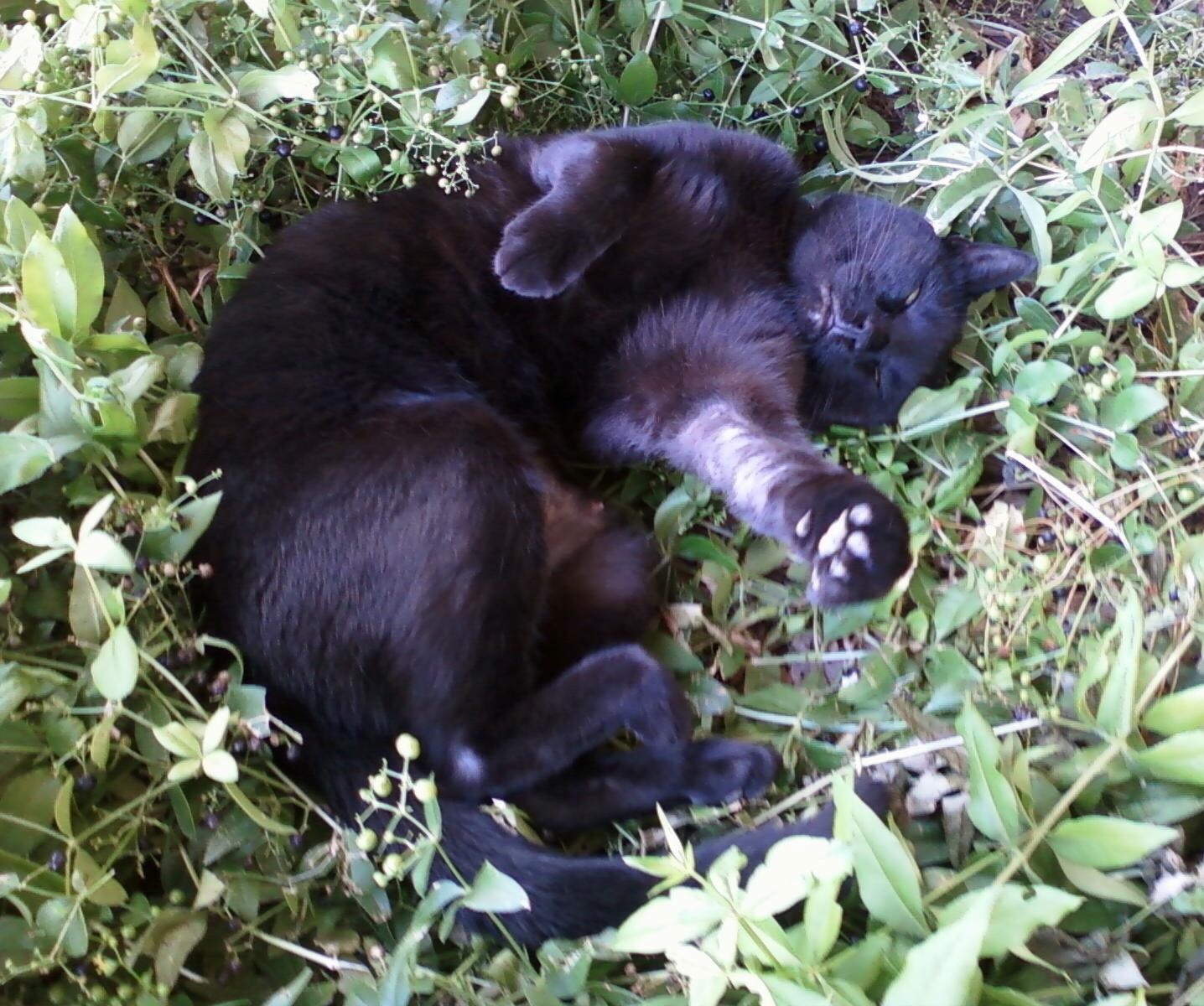
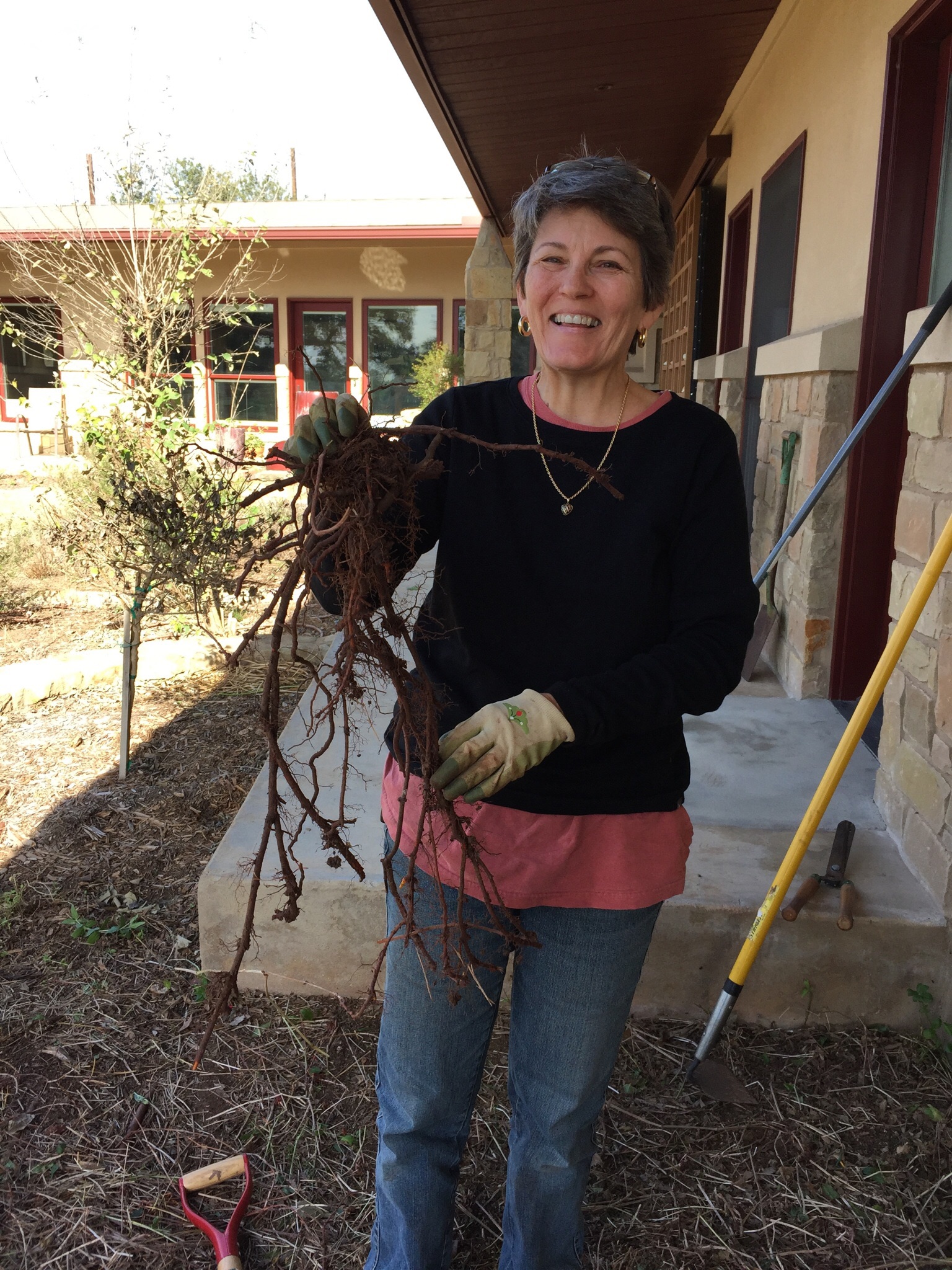
imageHarley will assure you I grow madder root for his napping and bug hunting convenience. Despite his beliefs, I am experimenting with growing madder root as a crop with our alkaline soil and high PH well water. I don’t believe I will need to add calcium to this madder root to get to a deeper color. More on dye experiments later this month. This post is all about the digging and madder root prep.  I am making an assumption most folks don’t and won’t grow their own madder root and would enjoy living vicariously thru my harvest.

Why do I? Because I can and I hope it will be a decent cash crop.  You don’t grow madder for its beauty.  It is invasive, scraggly and very scratchy. The tiny yellow blooms and purple/black berries are pretty but small. The mockingbirds and pill bugs LOVE the madder berries!  It is a good rotation crop, if you can call every three years a timely garden rotation.  Once you get it established it takes very little water and just grows.

I had two madder beds to harvest, one three year and one six year bed.  I did take the trouble to keep the vintages separate so I could test the color yield on the two vintages.  The six year bed came about because of a shoulder injury and subsequent surgery which diminished my enthusiasm for heaving roots with a pitchfork.  Once I run some test dye baths we’ll see if  a six year vintage happens again or if a three year rotation will suffice.
image

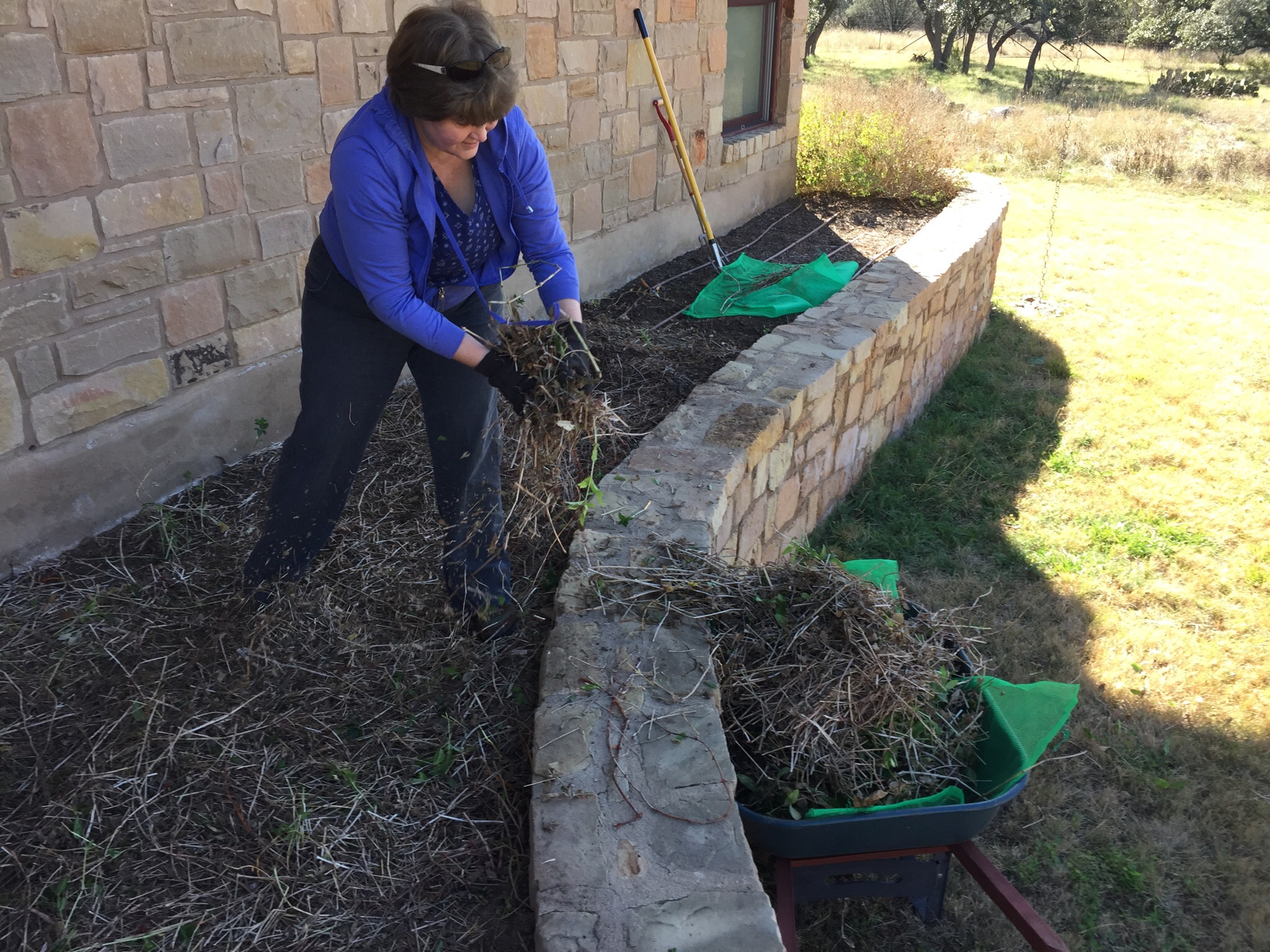
To start the harvest I clipped off the green cover leaves and stalks. That leaf cover crop will give you a nice series of yellows and the leaf stalks will give you a light tangerine. You can plan out your bed harvest to take that portion of the crop to the dye pot and simmer your dye stock while you are digging the roots. I am sorry to say I just cut the leaves & stalks and put them out on the septic field for the deer to munch on. There are historical reports about livestock eating the madder root and developing red bones. I’m thinking some deer hunters around here will be scratching their head if they harvest any of our deer.  I had a lot of digging to do and a tight timeline and wanted to get to it, so…happy deer!
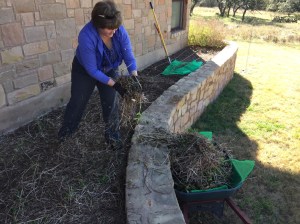
image

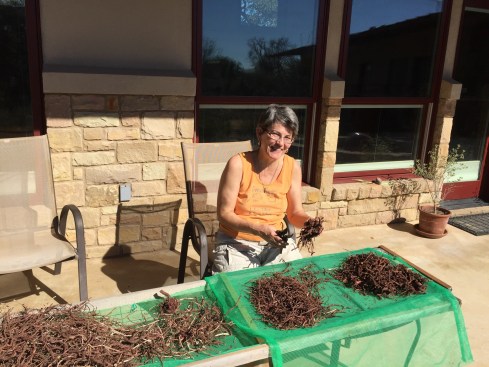
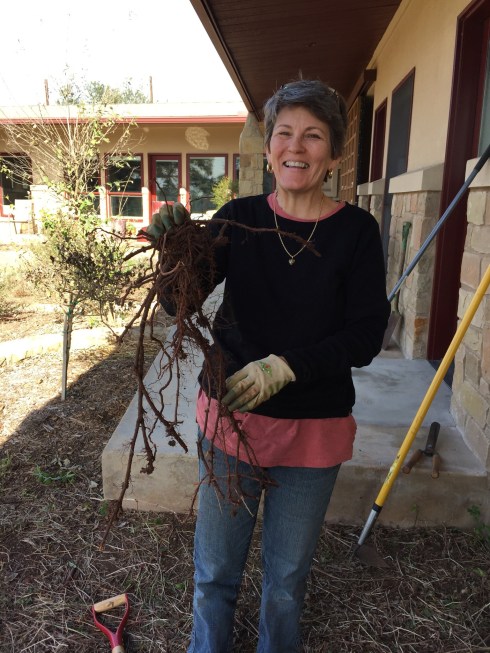
A garden friend and fellow weaver, Jeannette, came up from San Antonio to help me with my 2nd day of harvest. She wanted to see the plant first hand and learn more about the dye process. Her reward for her hard work was ample madder seed, fresh madder root and some commercial dried madder root for comparison for the dye pot. She went home with ideas for her own madder bed.  My back appreciated Jeannette’s help the 2nd day very much.

It was nice to have someone with which to celebrate the big root “finds”.
image

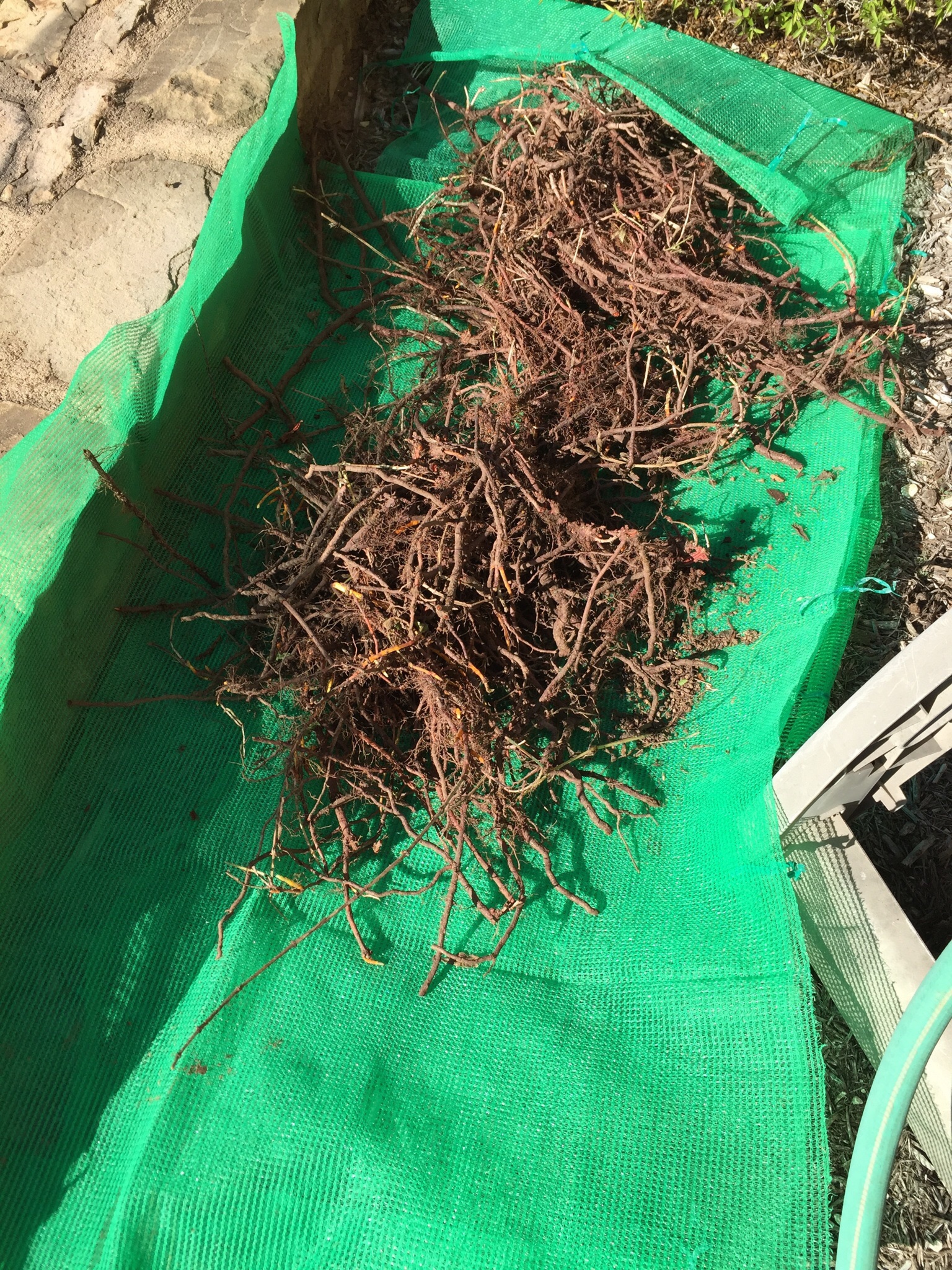
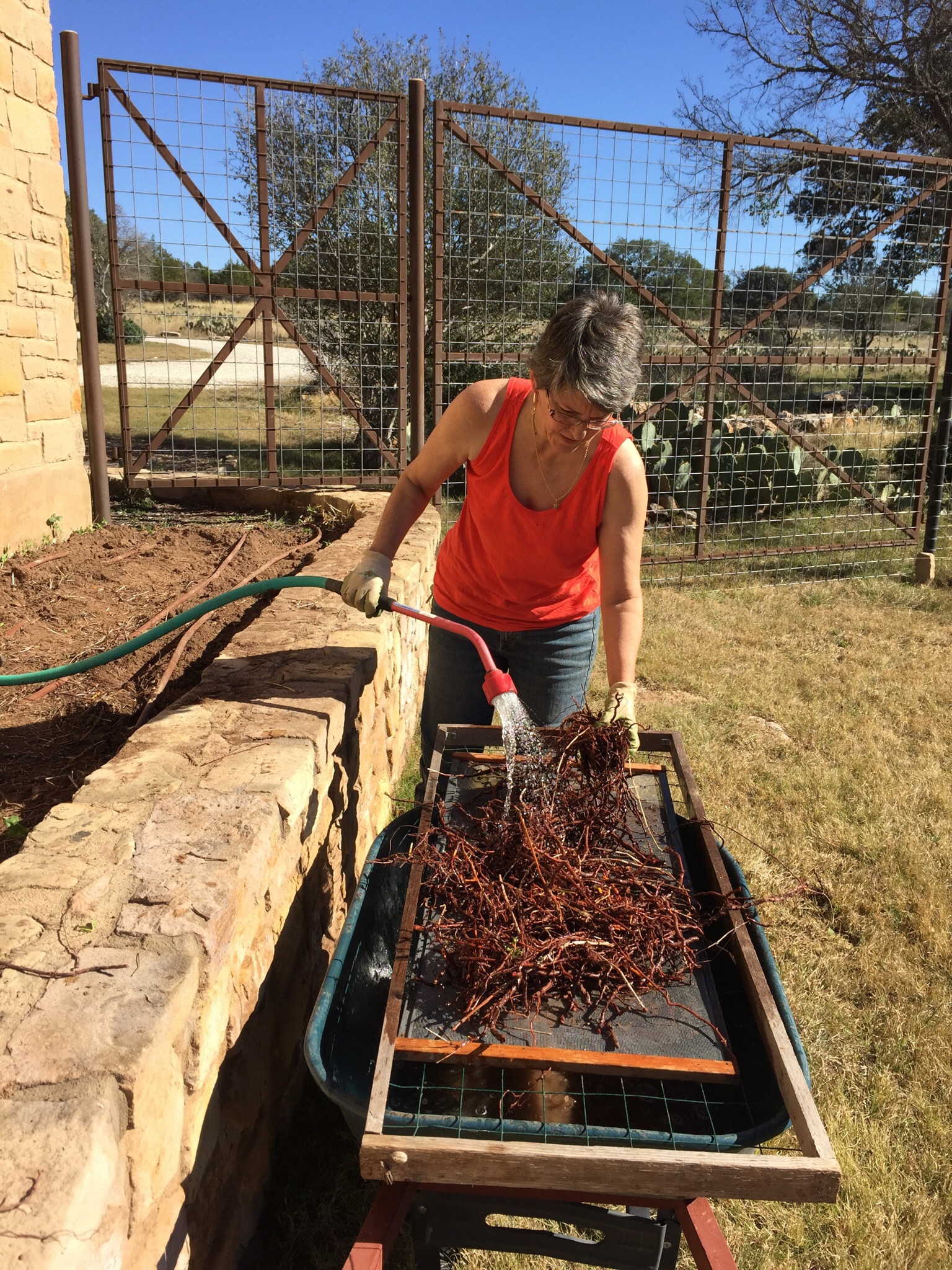
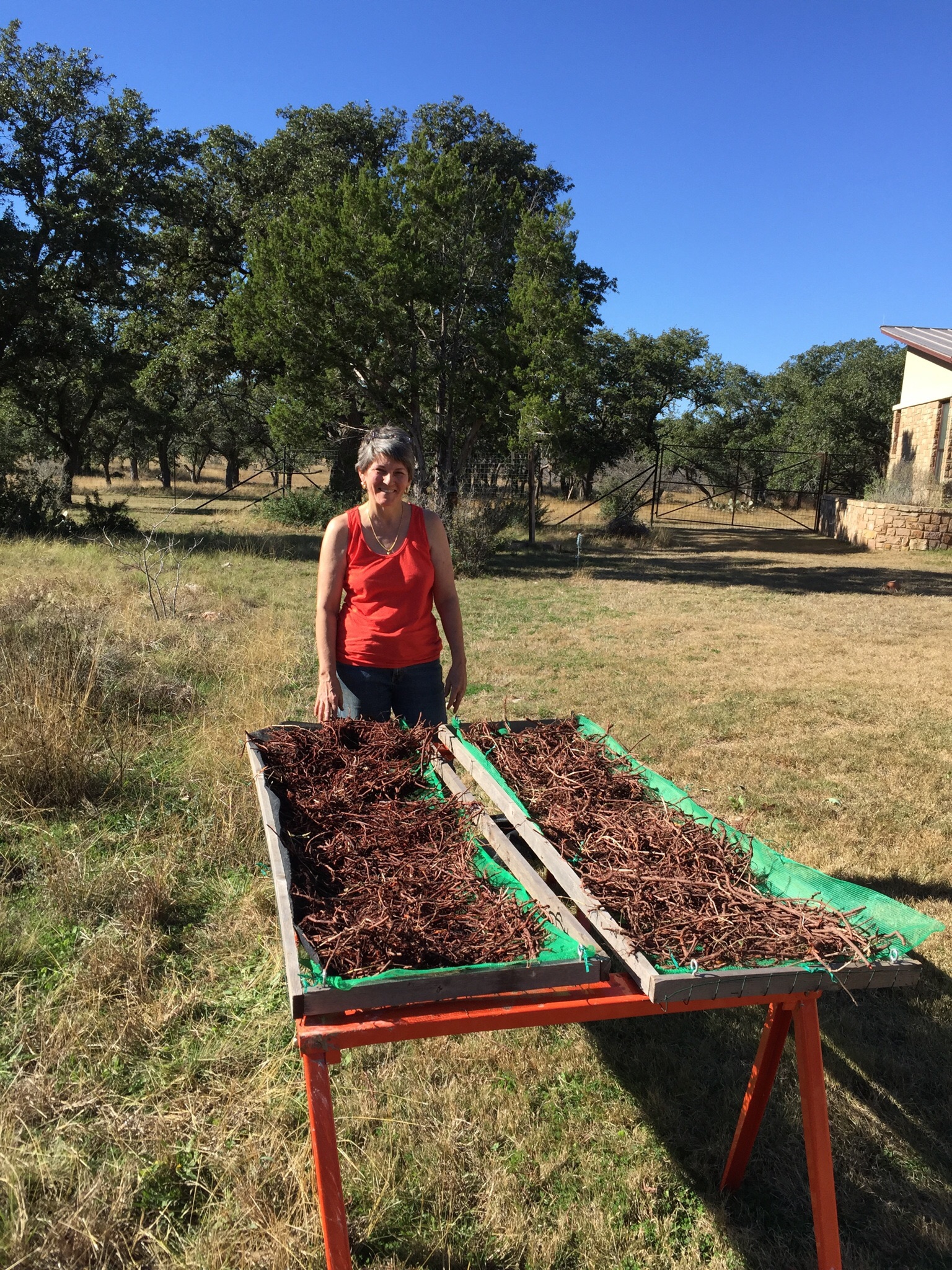
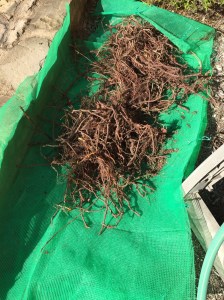
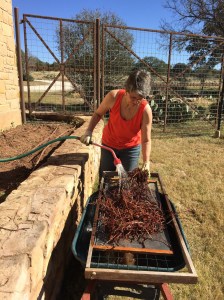
We dug, shook out dirt, washed and rinsed the madder harvest and set it out to dry.

If one is going to pull a big crop I can’t stress having enough tarps for sorting/rinsing and drying racks to manage the roots as you process the crop.
image

image

image

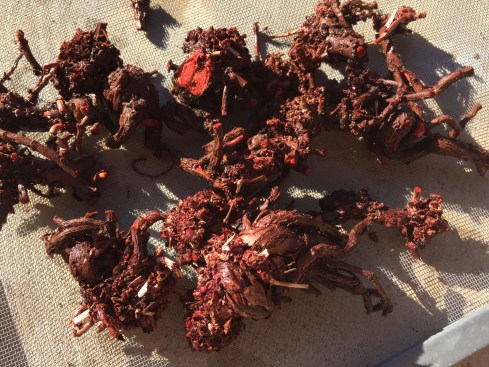
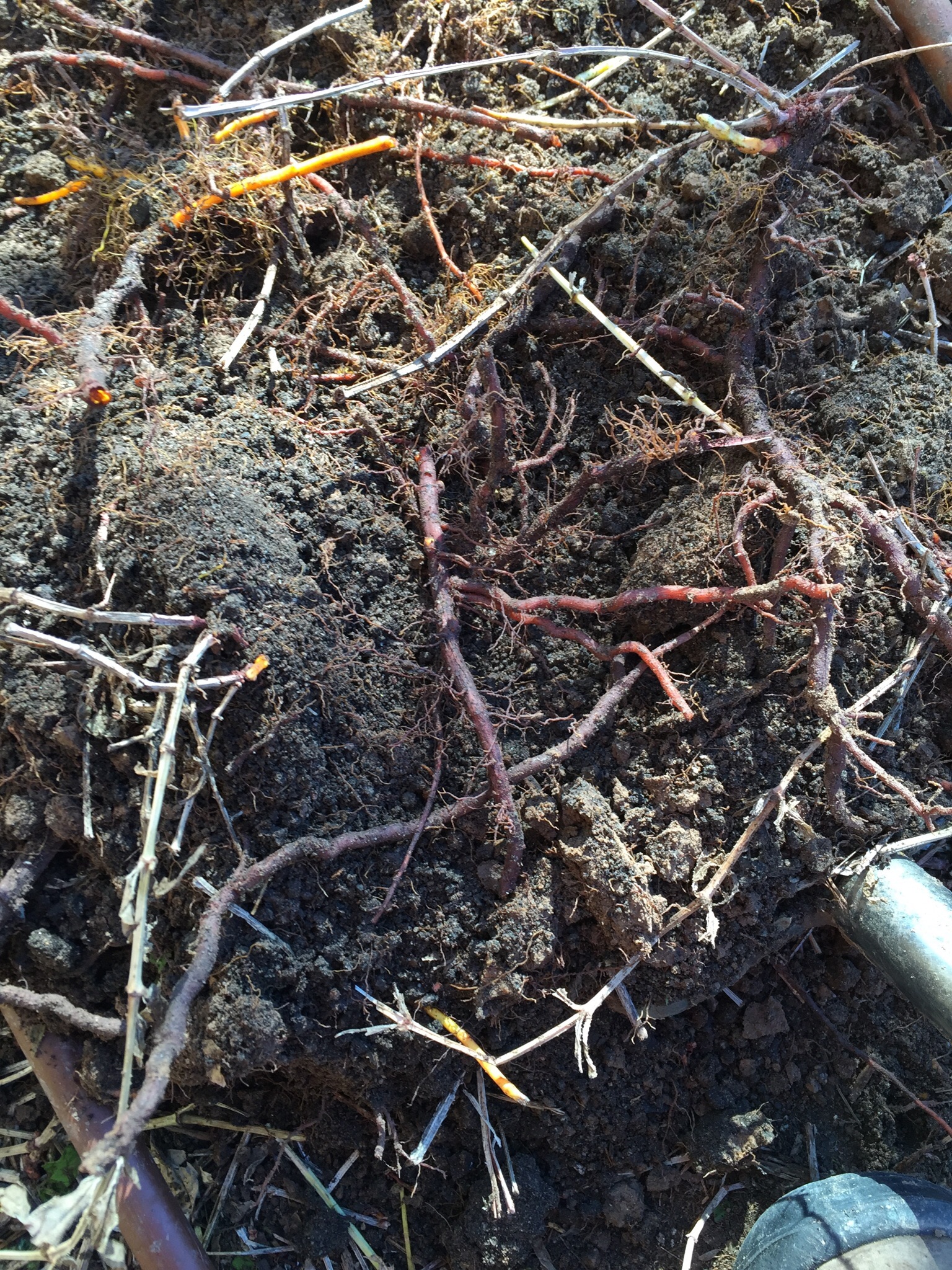
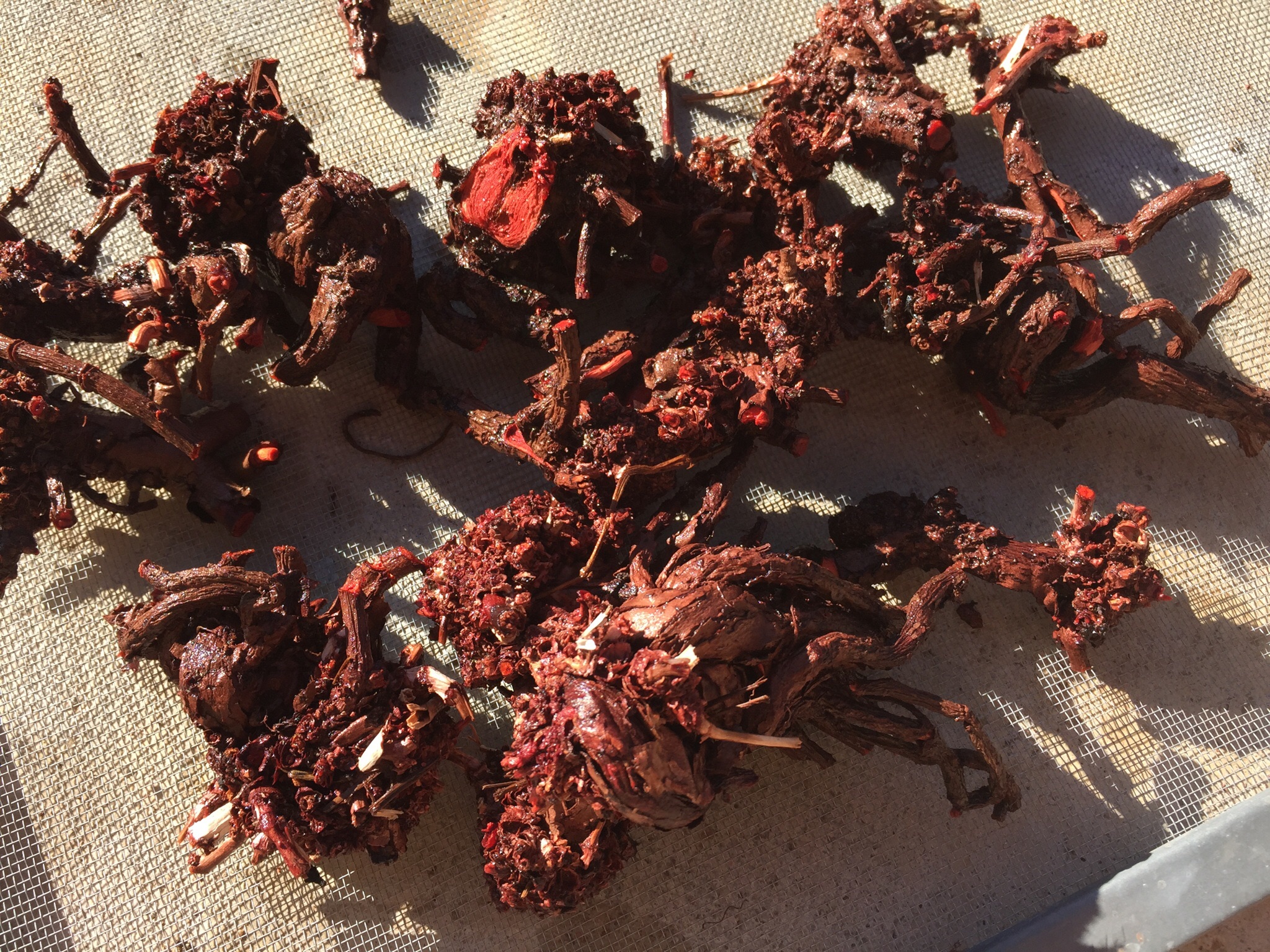
Above you can see the depth of color these tap roots hold! I think these will yield the deepest color.

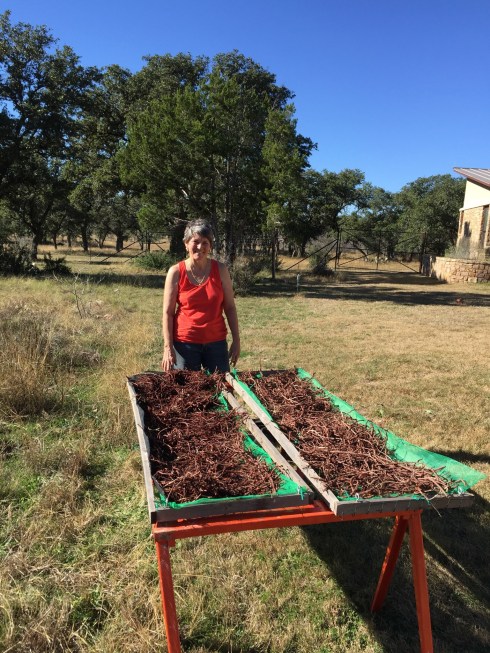
Below is about two thirds of the crop laid out to dry.
image

image

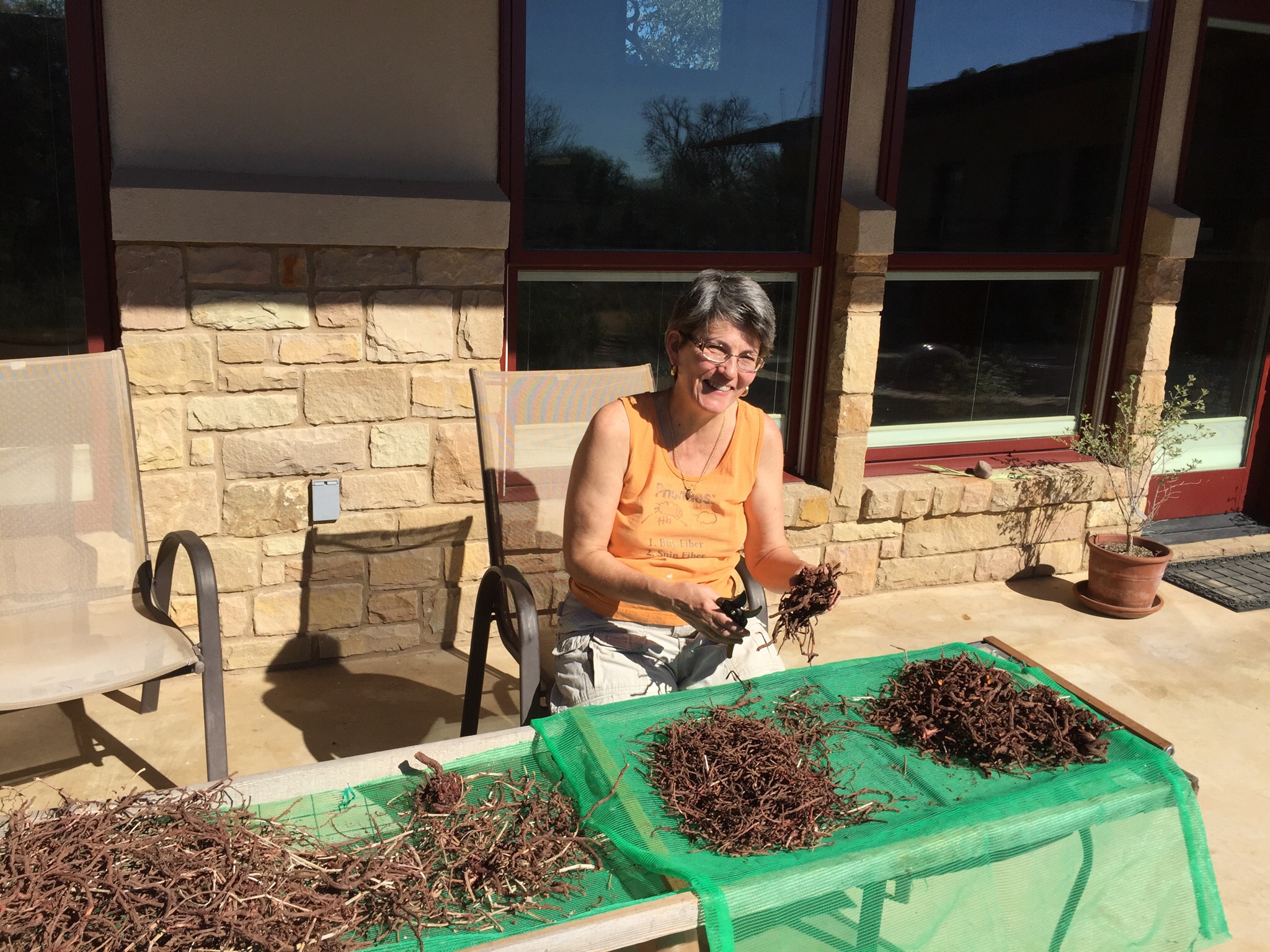
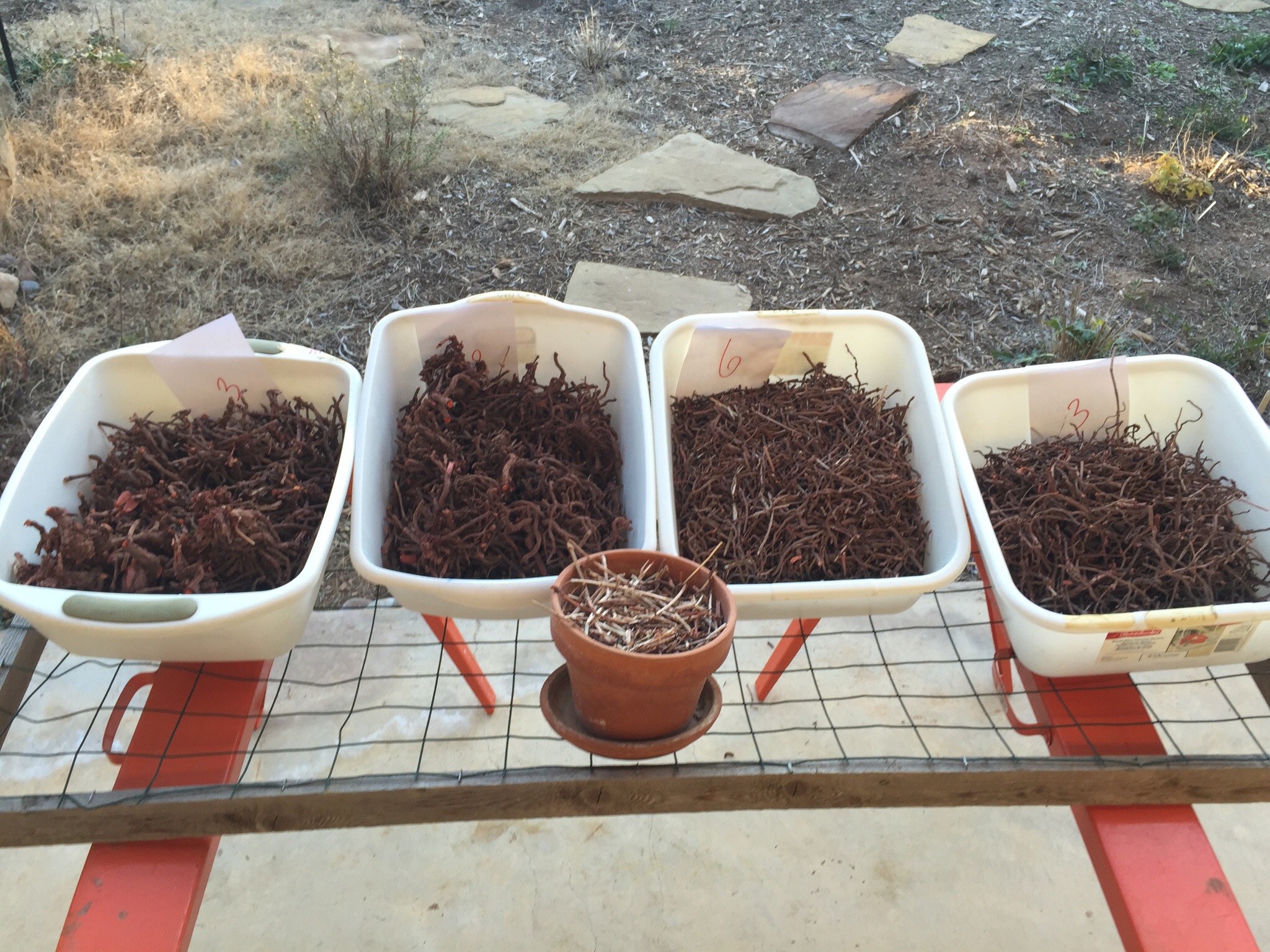
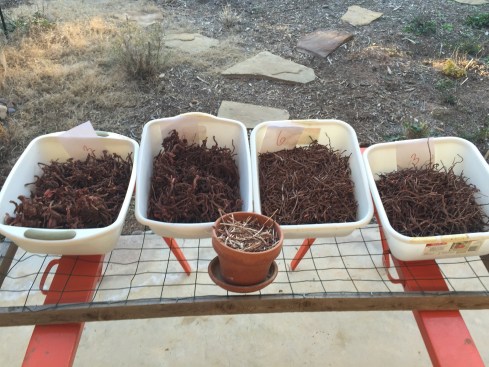
After a couple of weeks of drying and the next spell of clear weather I stomped the crop to clear more dirt and clipped the roots apart. The size sorting within the vintages began at this point.  There are the root clumps, the “finger size or larger” madder root and the smaller roots within the 3 and 6 year vintages.  This crop continues to dry.
image

Once the moisture is reduced I’ll weigh the crop to see what the root yield is from this effort.

Next up is to pull some 3 & 6 year samples and see what colors I can coax out of the roots.

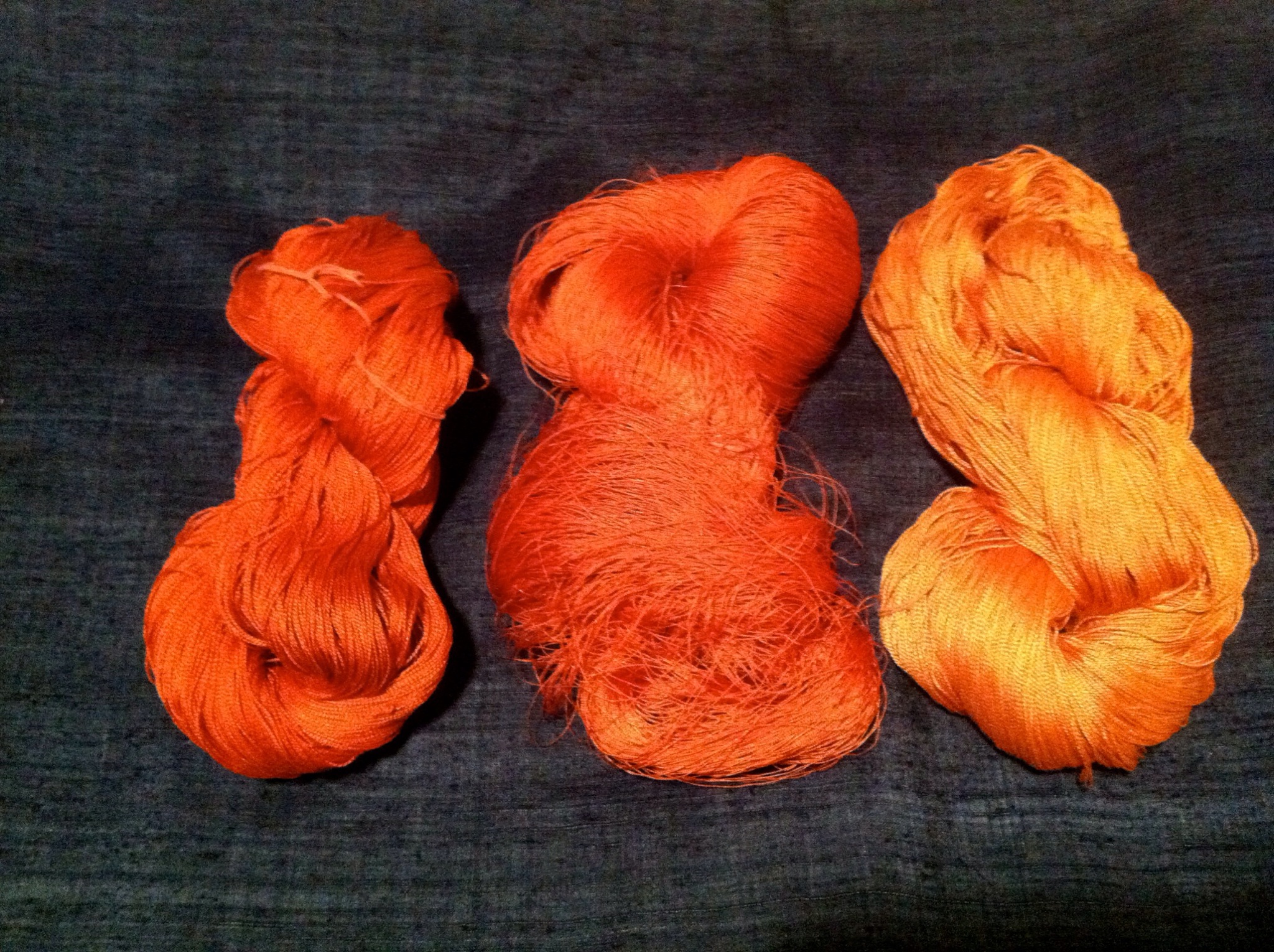
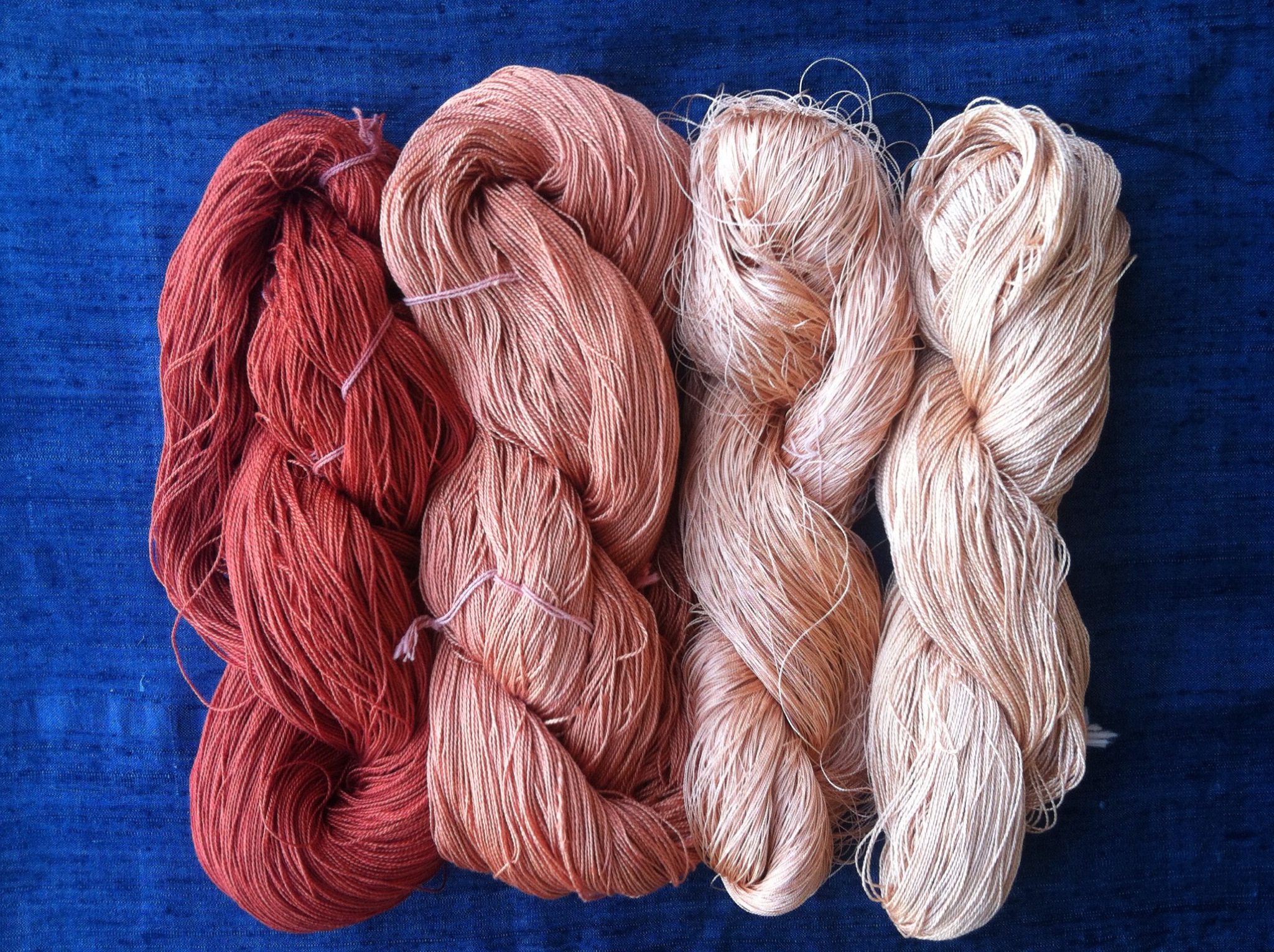
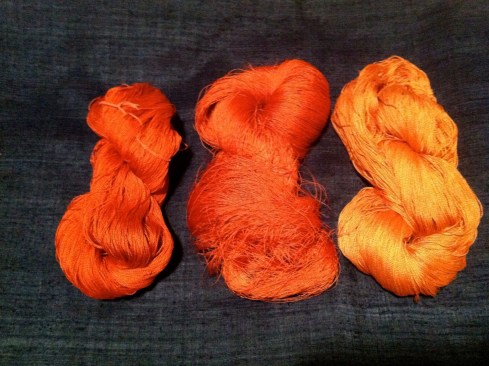
Below are colors from another earlier 3 year crop to give you a color comparison preview.  It will be fascinating to see what nature has in store for the roots when they meet the dye pot and silk.

Stay tuned!
IMG_8243

← Back

Thank you for your response. ✨

Pulling color & dyestuff into an image

25 Jan

As we start 2015 I am creating collage photos of the dye plants and the finished product in one photo. Quite a composition challenge! Here is a start! Happy New Year to all!

This is a silk shawl donation for our public library here in Johnson City, Texas coming up in March. It is screen printed with an iron mordant and dipped in our Texas Persimmon.

2015/01/img_7139.jpg

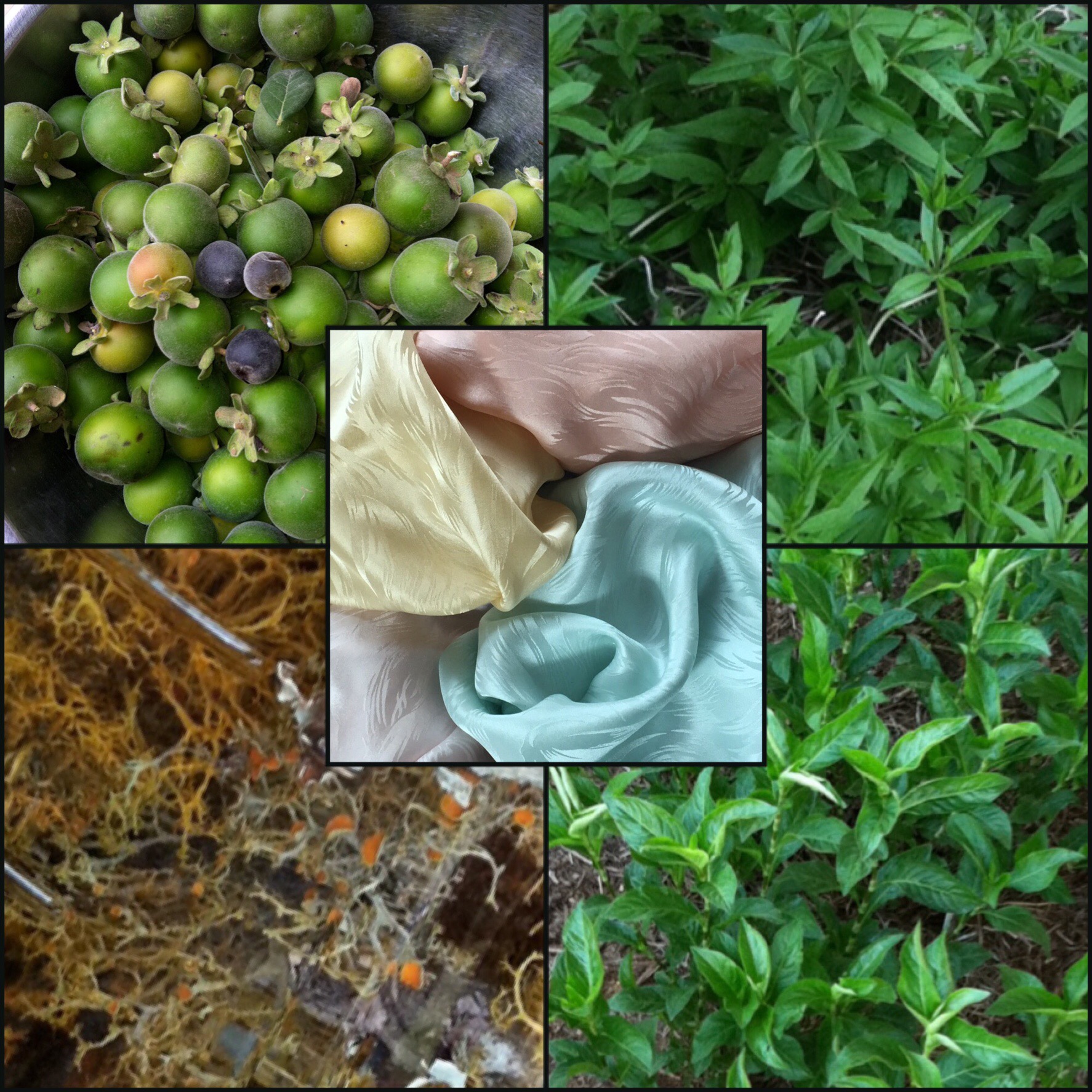
And these are some large silk wraps dipped in my local native or garden grown dye stuff. Starting top left and working clockwise…..the source colors are Texas persimmon, Texas red madder root, Japanese indigo and teloschistes exilis, slender orange bush lichen.
These silk wraps will be heading to our local art gallery, Texcetera

2015/01/img_2282.jpg

Cochineal (4 gram) on silk (93 gram)

15 Dec

Earlier this fall I collected cochineal as soon as it appeared in October. Last year I collected it after a couple of freezes. The big question, is there a color difference before or after a freeze. How motivated do I need to be to collect before a freeze?

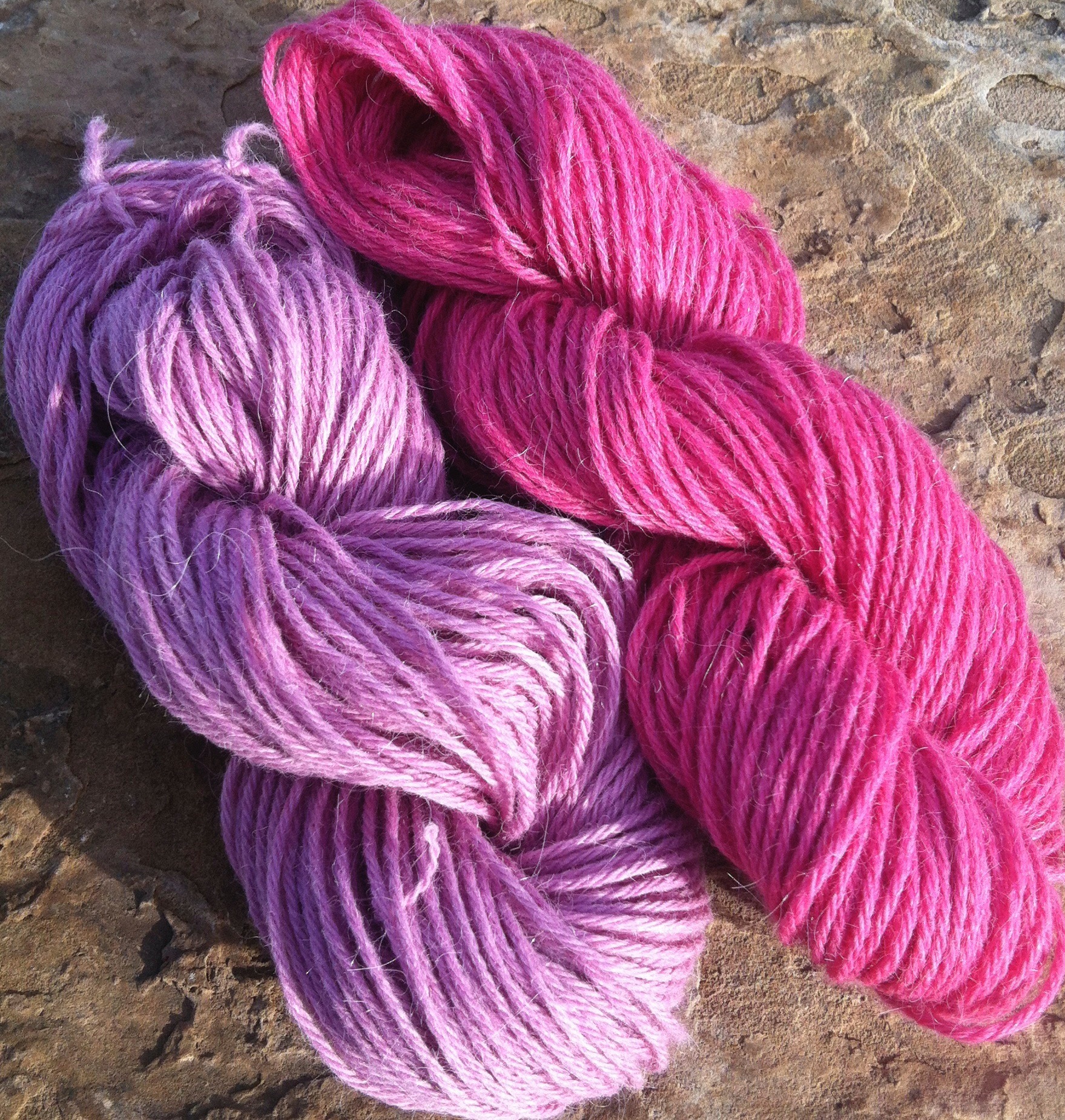
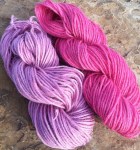
Here is last year’s cochineal on wool/alpaca, the one on the left had cream of tarter (acid) added to push the color:
IMG_2831.jpg

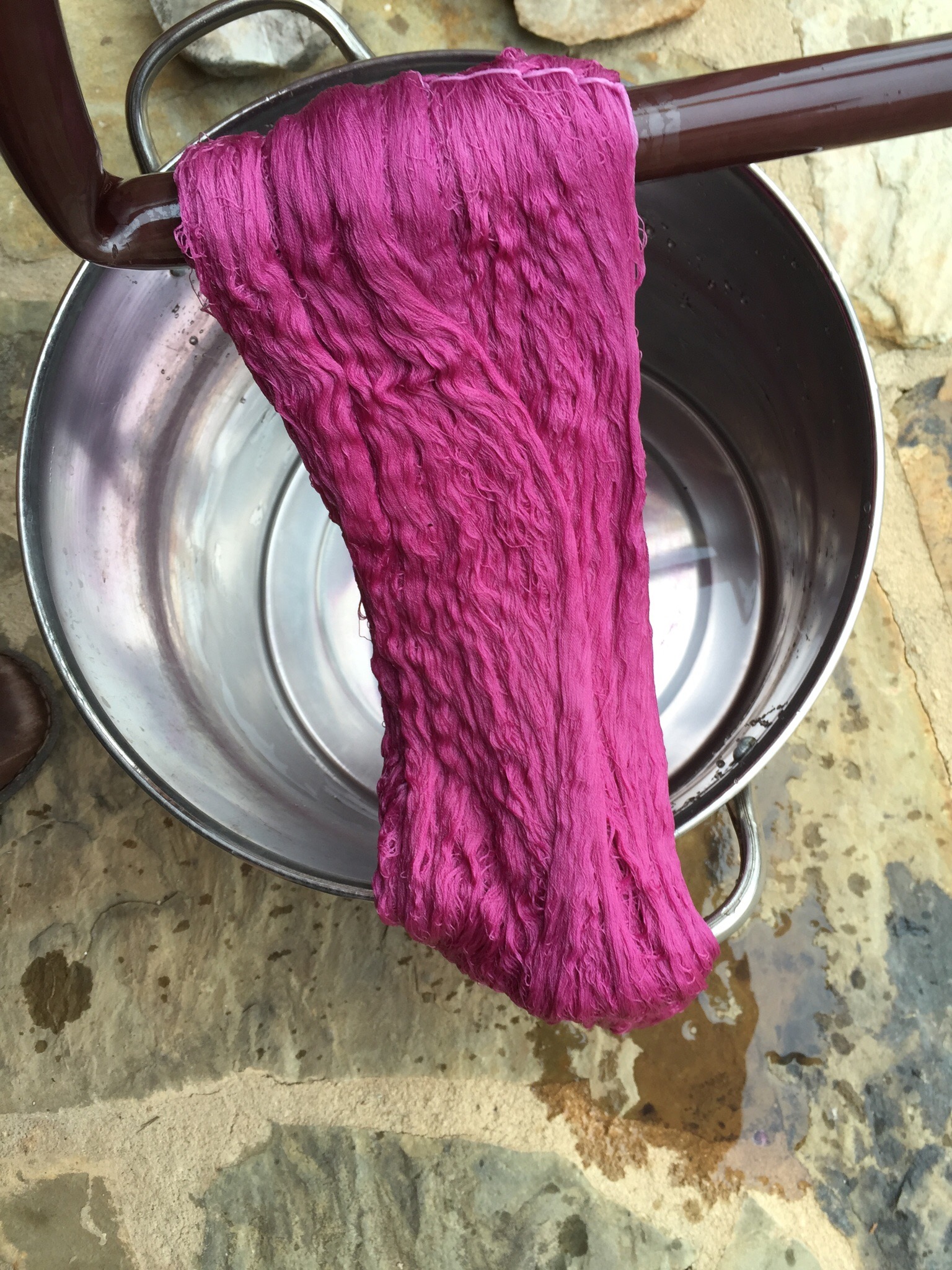
Here is this year on silk before washing, no cream of tarter:

IMG_0007.jpg

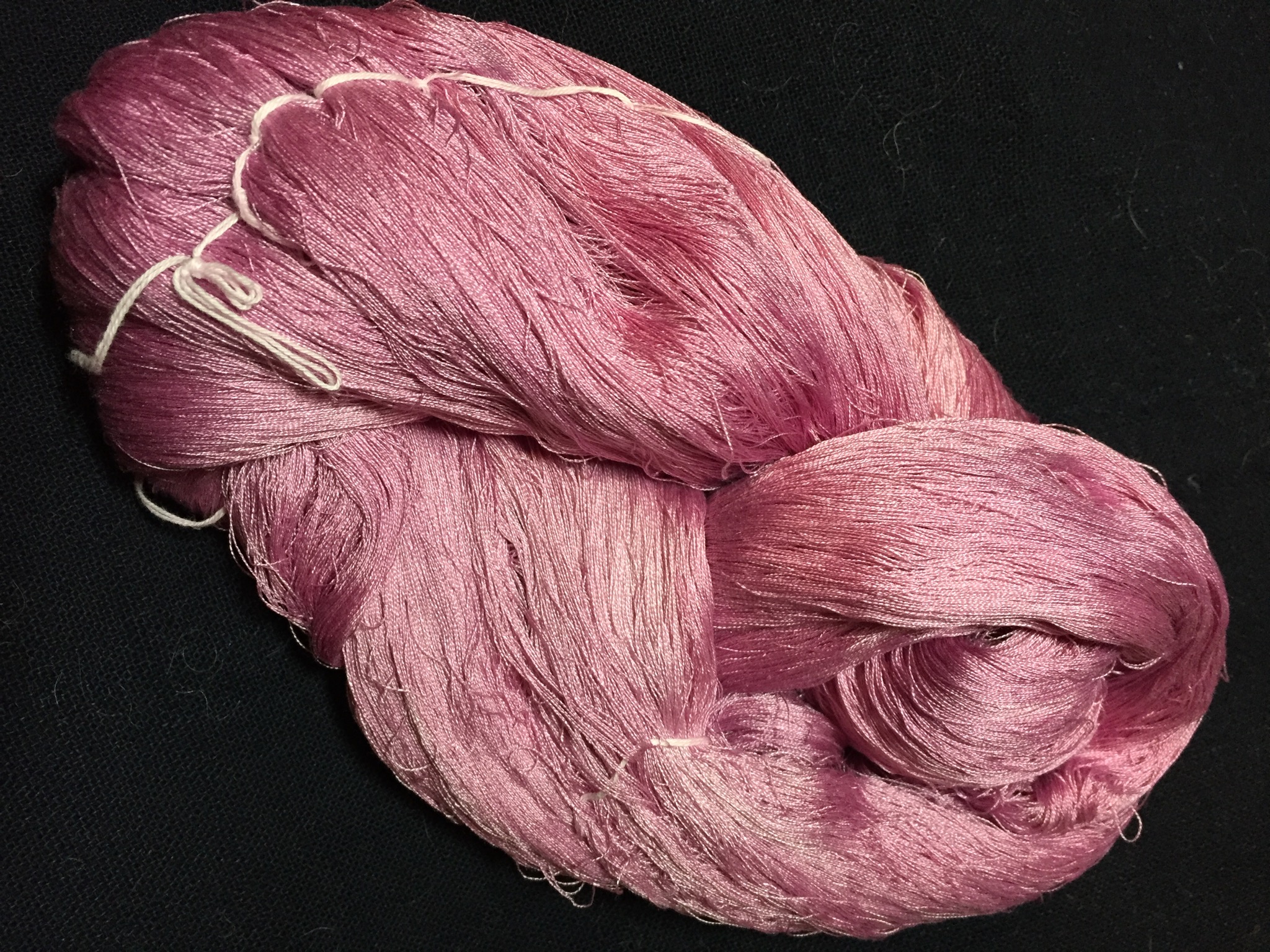
I have to say I am not a fan of this bright fuchsia, but an indigo dip or an iron bath will sadden it for my eye. Part of this silk is also destined for a Texas madder root over dye. Here it is after rinsing and drying, color toned done some.   Can you believe only 4 grams of fresh cochineal gave this depth of color on 93 grams of silk?
IMG_6586.JPG

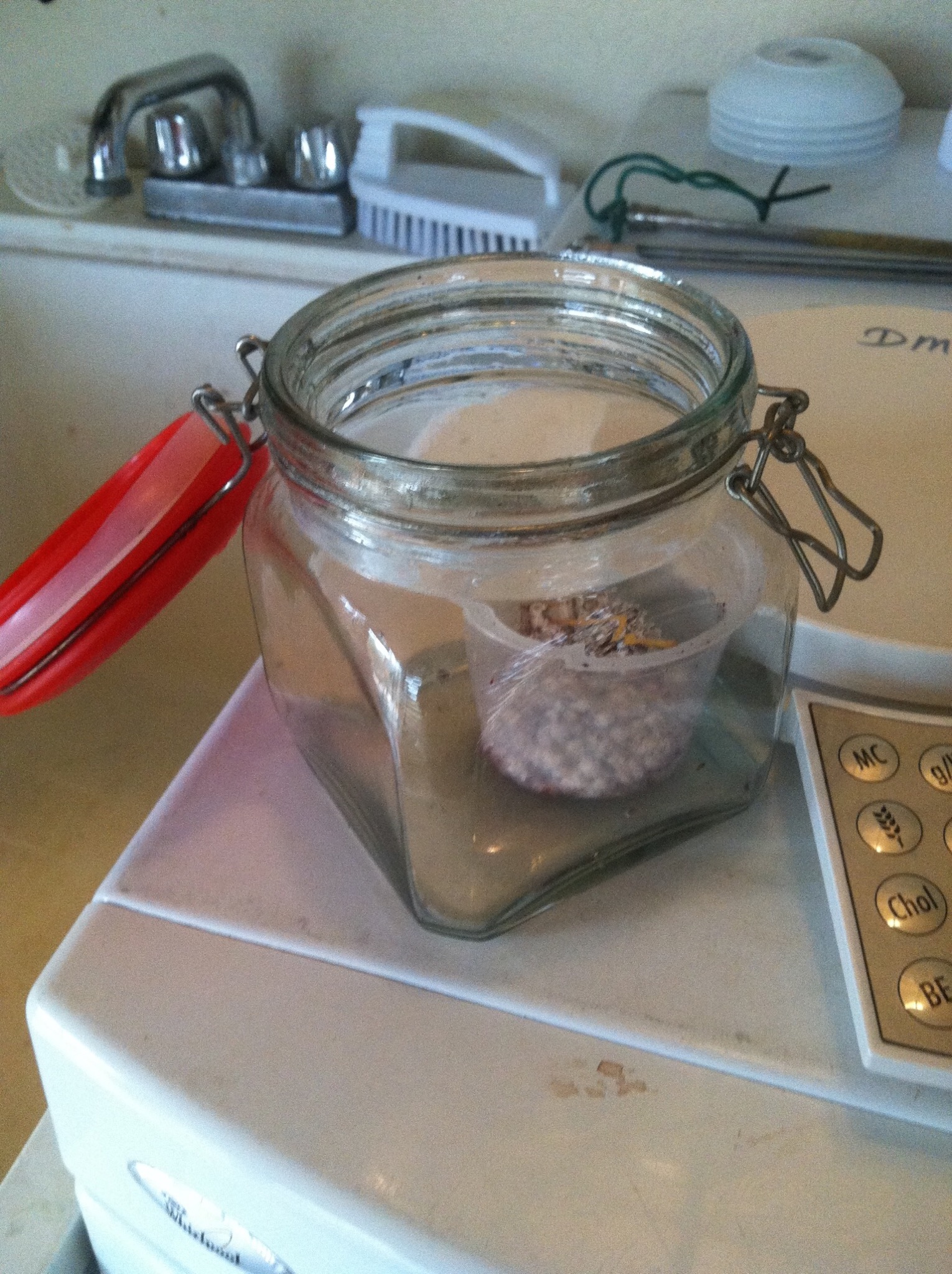
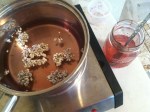
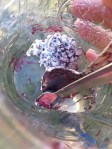
Some folks have asked me if I collect all at once, nope! I collect a little at a time until I have about half a pudding cup. I keep that cup secured in a jar on my dye patio to protect it from bug hungry marauding raccoons and wrens.

IMG_6068.jpg

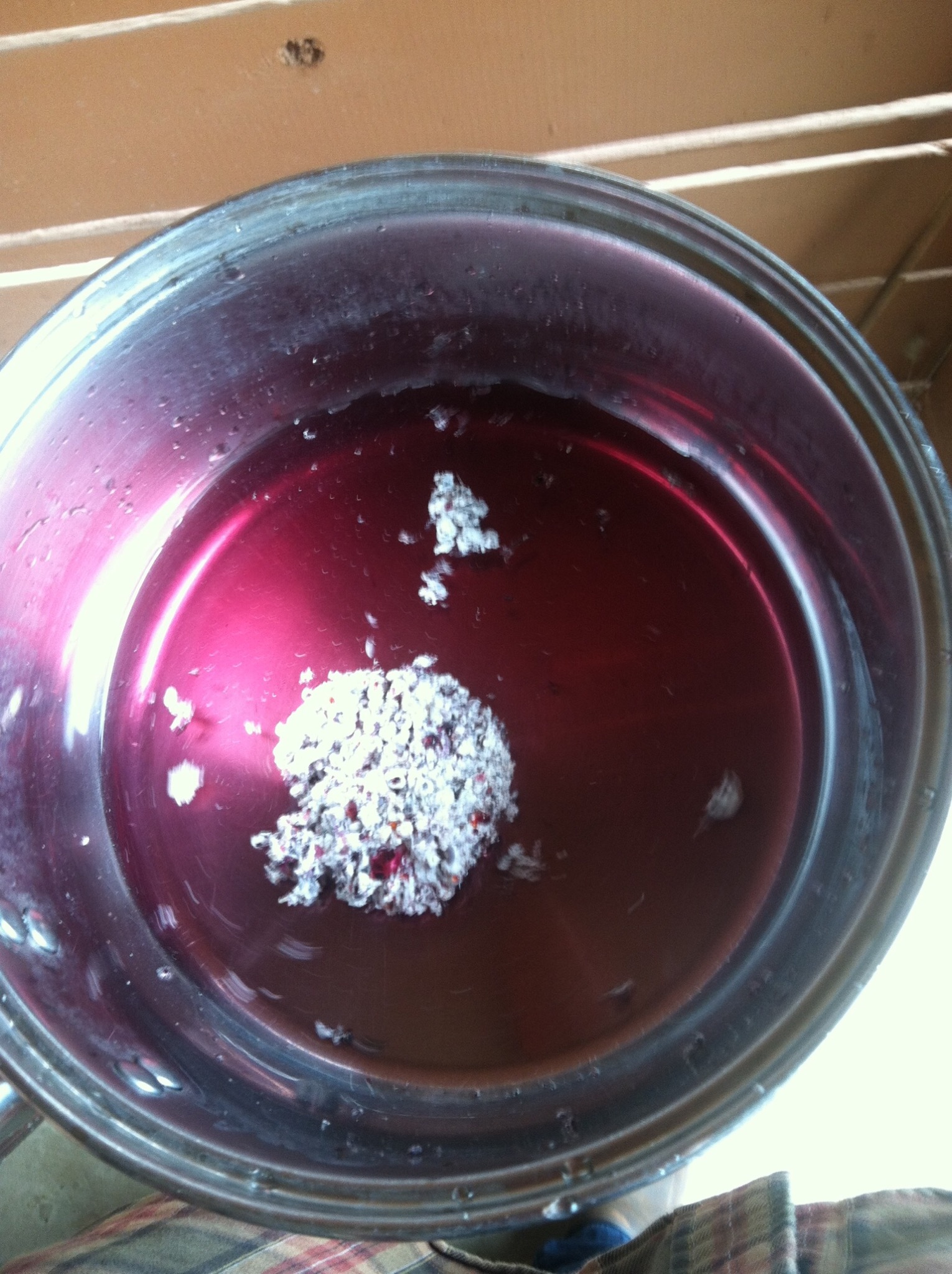
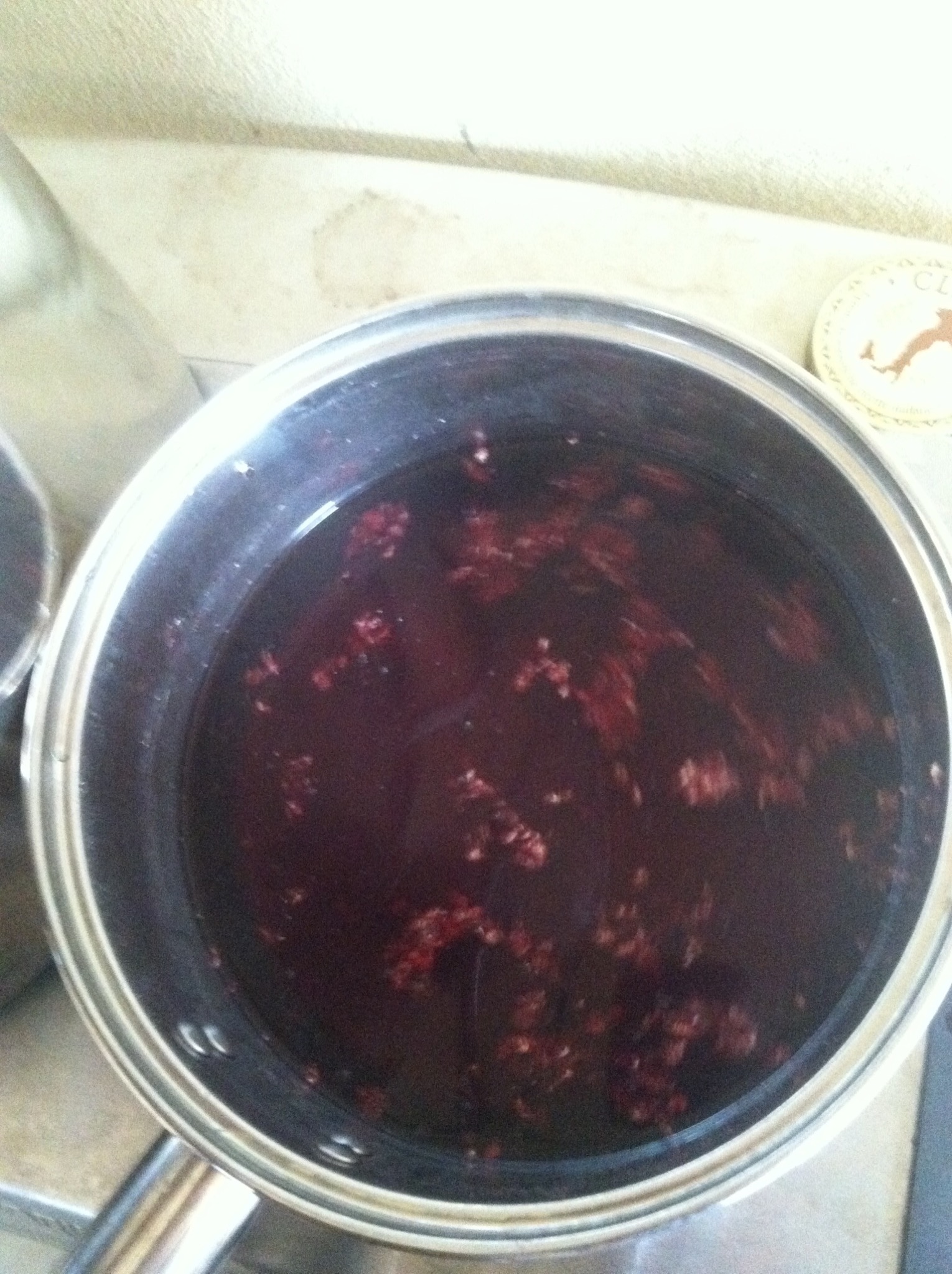
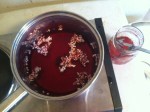
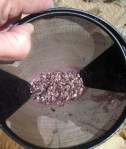
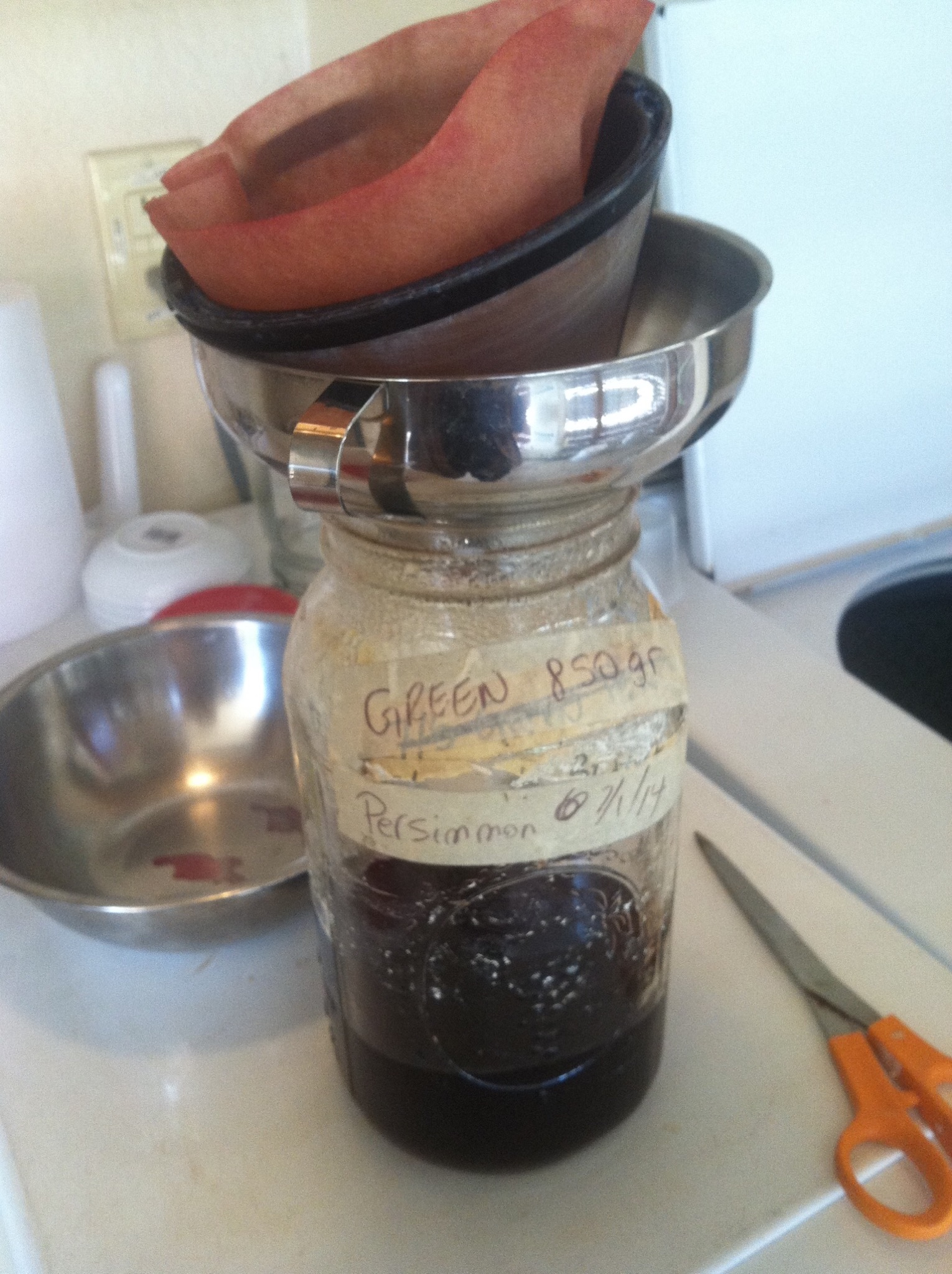
The entire harvest goes into a slow simmer and is strained and processed at least 3 times thru my coffee filter. You can see how it gradually sinks as the web gives up the bug color.

I will say if one decides to collect your own cochineal, take your time, listen to the cactus wrens and watch out for the snakes!

IMG_6071-1.jpg

IMG_6080-0.jpg

IMG_6083-1.jpg

IMG_6082-1.jpg

Cochineal web starting to appear!

2 Oct

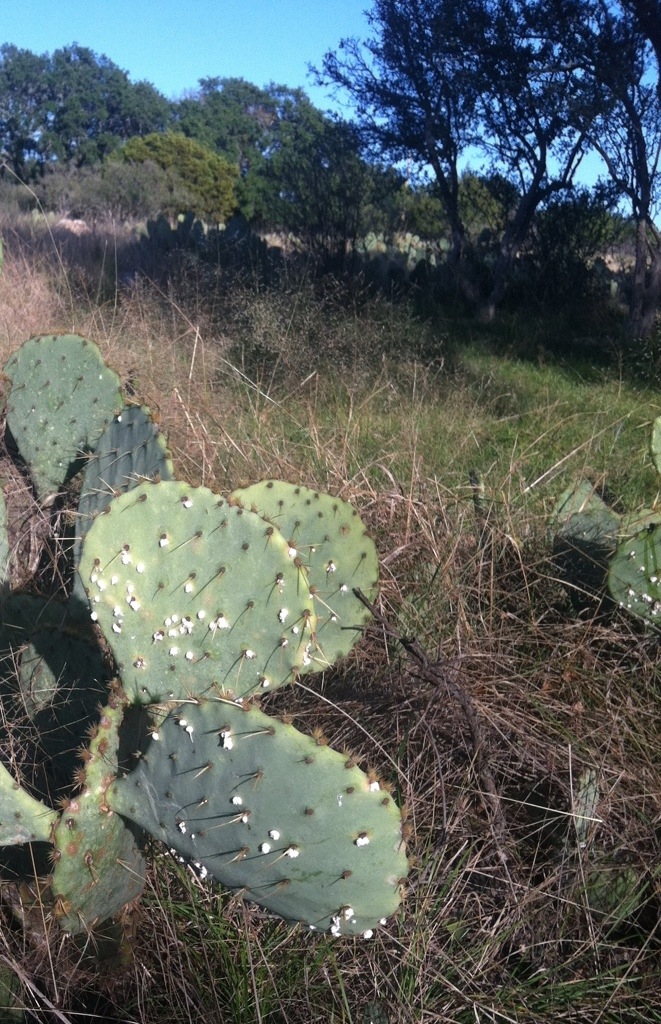
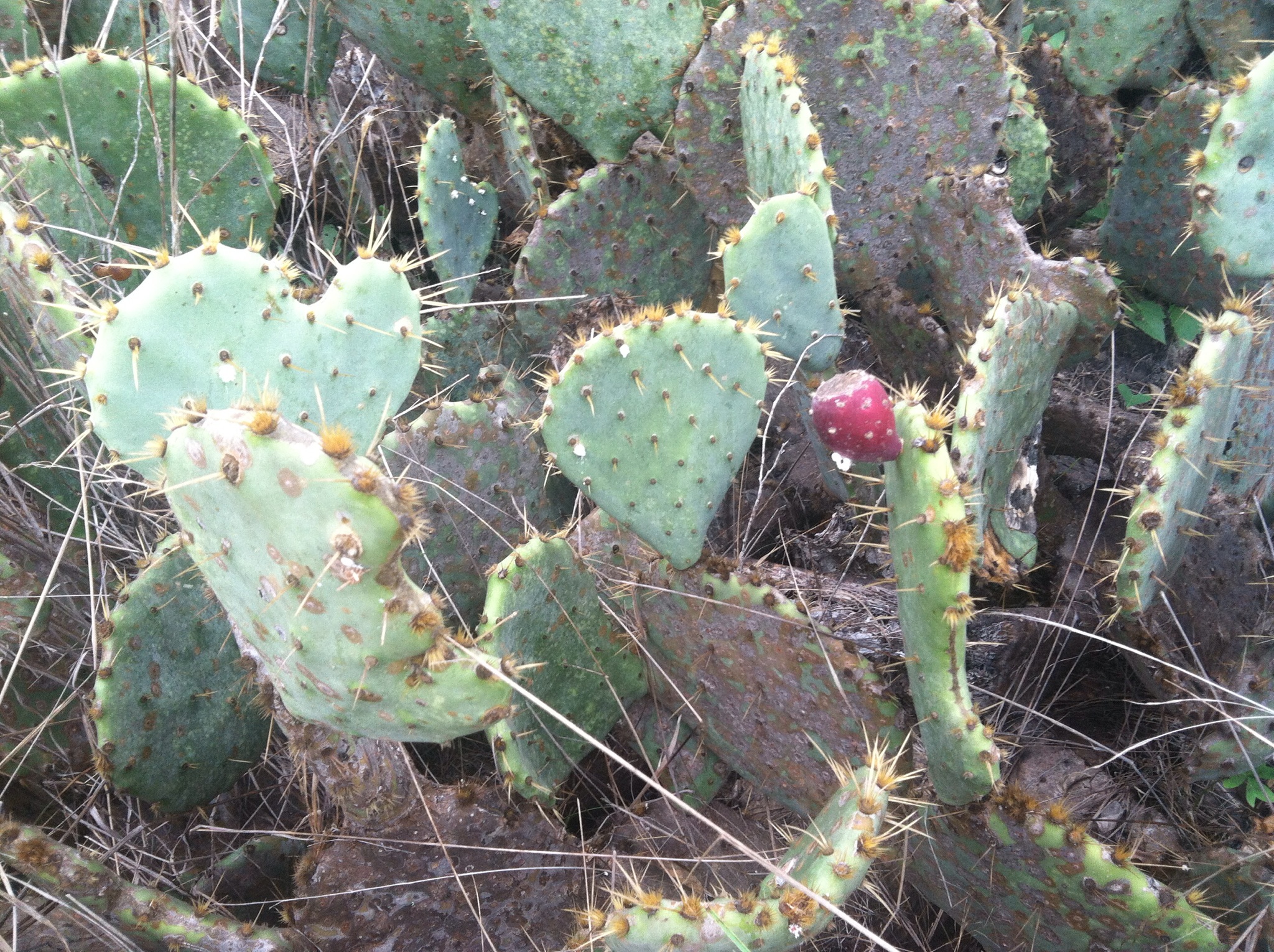
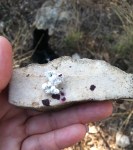
Harley & I are making the unscientific observation that when the Lindheiemer Senna go to seed, the acorns start dropping and the cactus tunas fade, the cochineal white webs start to appear on the cactus pads. Let the cochineal scraping commence!
IMG_5502.JPG

IMG_5527.JPG

Madder Red – Book Review from a grower’s point of view

7 Sep

John Marshall, a fabulous art teacher, introduced me to the book, Madder Red: A History of Luxury and Trade by Robert Chencier

http://www.amazon.com/Madder-Red-History-Luxury-Caucasus/dp/0700712593

I can’t afford a printed copy but I did find a digital copy. I do grow madder root here in the Hill Country. Possibly I am late to the party for this book but I am having great fun reading about madder cultivation in Russia, Eastern Europe, France & the lowlands and the economic turmoil surrounding it in the 1600, 1700 & 1800 leading up to the aniline dye market trump. I find it fascinating that it was grown in the local vineyards. Hmmm, perhaps our wine vintners need another long term cash crop.
It is still early in my reading so I haven’t hit the recipe section yet. If you grow madder see if you can find it via library loan. It is a decent read. I’ll report back if I glean any decent madder recipes but I am getting a great old world ag education in madder root cultivation and economics.
Two of my madder beds have hit 4 and 5 years old and I’ll be digging them up this fall. Can’t wait to see if I get the richer purple reds on silk from my older roots compared to the one year old red orange I got from an earlier harvest.
IMG_8243.jpg

IMG_8183.JPG

Interested in helping me dig? Let me know. I can trade madder seeds, lichen or madder shoots for labor. I’ll probably harvest in late October here in the Texas Hill Country.
I have lots of lichen, persimmon and weld dyeing to report on but have been sidetracked by hot temps, family matters & travel. And this book!

Great Gathering Lichen Morning

17 Apr

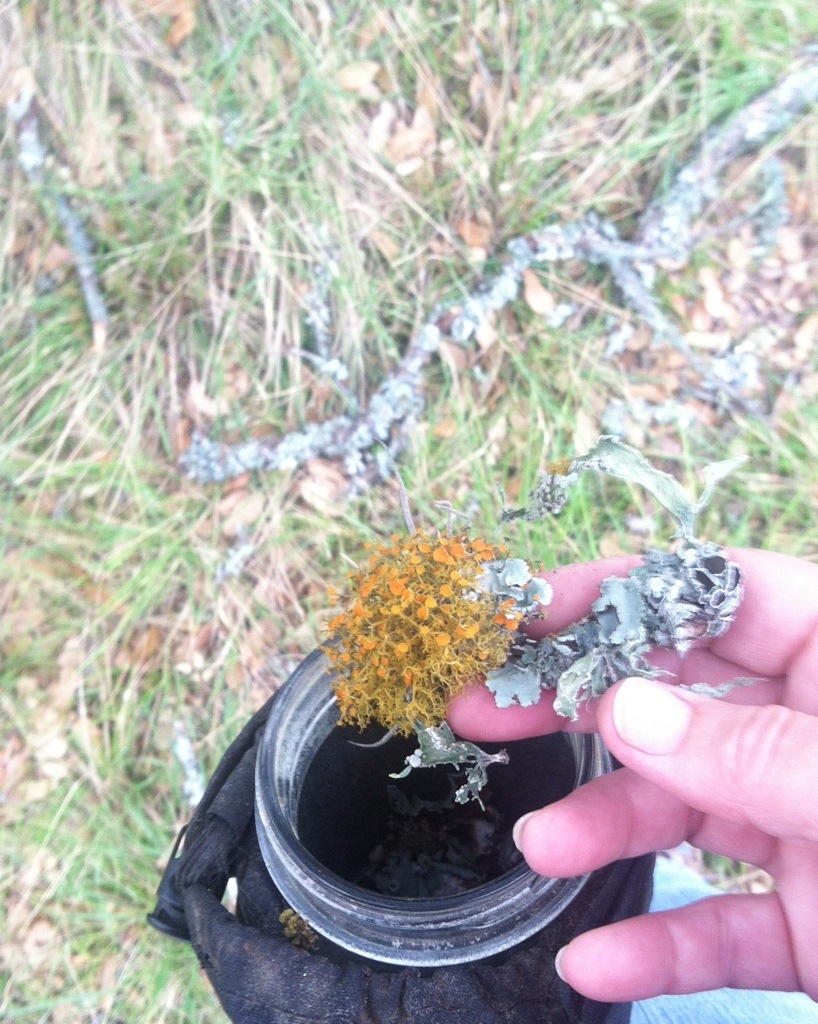
After 20-30 mph winds one day, marble size hail another day and a driving rain on a different day it is a great morning to harvest the windfall lichens. Especially with the am humidity and mist the lichen easily peels of the branches instead of crumbling in the dry weather.

20140417-102359.jpg
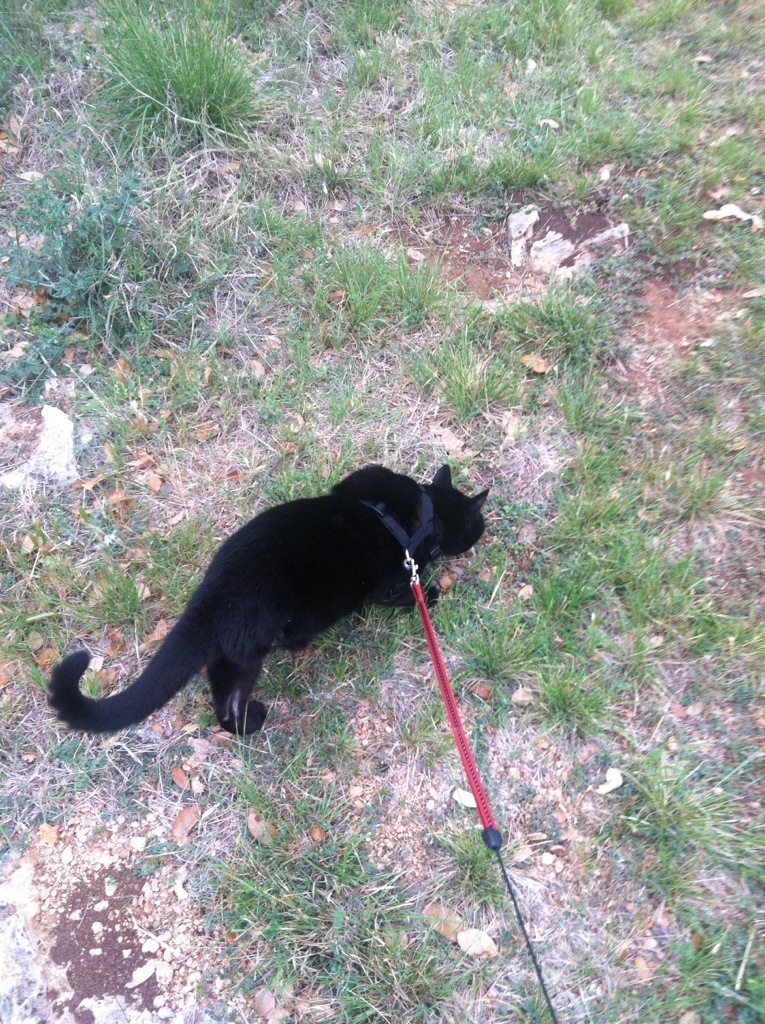
Now if I could only get Harley the tripod cat to go near the trees where the lichen windfall is located!

20140417-102602.jpg

How much color will 4 grams of Cochineal give?

31 Dec

Since it is too dry to collect lichen I’ve been pulling cochineal off of our opuntia cactus.

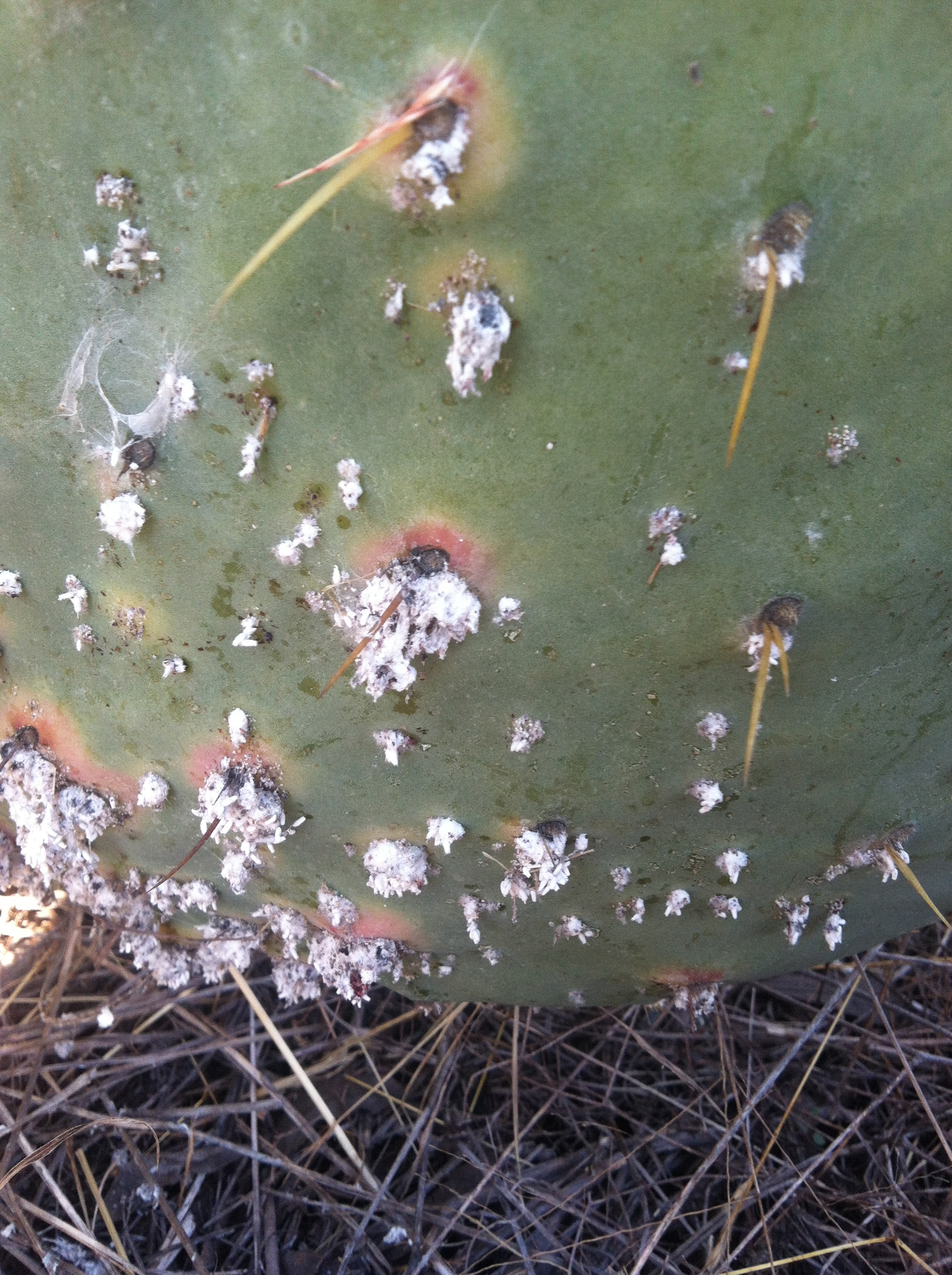
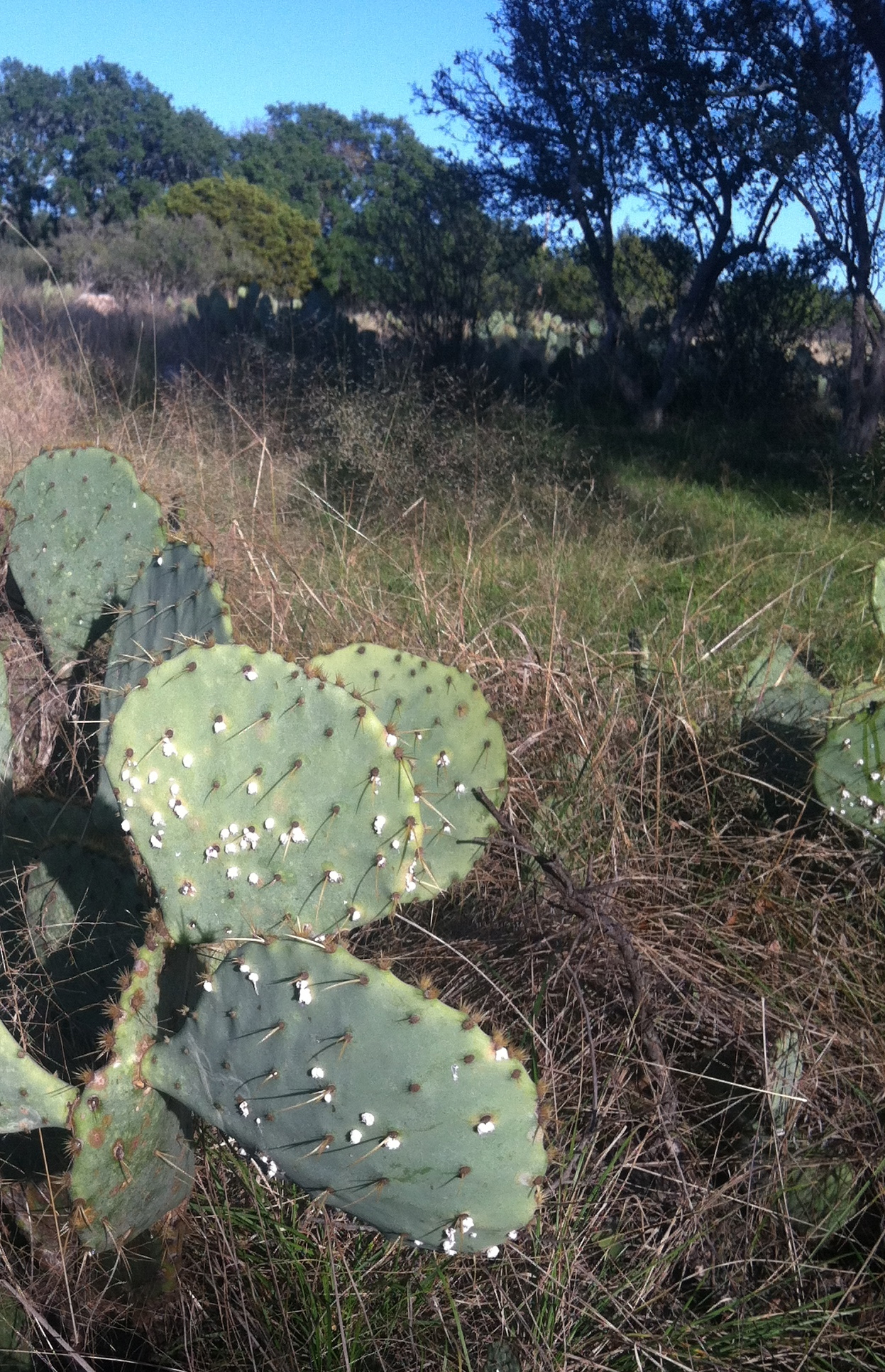
Cochineal web

Cochineal on Opuntia

Cochineal on Opuntia

We have prickly pear cactus.  I can’t be specific about the cactus, there are several kinds here in Blanco county, no thorns, thick thorns, long thorns.  I need to stare at the cactus more but here’s a link to all the types of cactus.  The Hibbitt’s family has given a good start on cactus id.

Meanwhile back to the cochineal….I’ve tried to leave cochineal on the cactus so I have some next year.  The first harvest yielded about 7 grams.  Figuring out how to harvest was quite amusing.   I went thru several tools.  Harley was very patient during his catwalks, while I scraped cactus, he sniffed for birds.

After collecting a small amount I was curious as to how much was “not enough”  so I started with 7 grams of fresh cochineal and web for 100 grams of substrate.  I used Lana D’Oro Cascade Yarn which in this case is 50% superfine alpaca and 50% wool.  Yike, .07% dyestuff for the yarn, would it work?  AND would the superfine alpaca portion hold up to the dye pot?  Well, first I needed to extract the color.  After reading thru some references and listening to suggestions to blog readers I went with my basic path of least resistance and did it the easy way.  Dump the dyestuff into my rainwater and simmer away.  I did about 3 extractions after simmering and sitting and filtering.

I went with two skeins so I could see how they deep a color they struck.  They were premordanted with alum sulfate.  Within 5 minutes I had a nice bright fuschia tone.  Wanting to see if I could push it to a different red I added cream of tarter to one of the skeins and it went towards a deeper rose.  Now this is impressive  for just 7 grams of color.  I don’t particularly like pastels so next time I’ll try more fresh cochineal and try a light iron dip to push it darker.   I can always muddy these skeins with iron also.  Stay tuned!  Ah!  And the alpaca/wool mix held up well to a dye pot.  Live is Good!

Cochineal & Computer Glasses

2 Dec

When you are walking a tripod cat one has plenty of time to scrape cochineal off the cactus. I collected about 4 grams the first pass. We’ll get a couple more days of scraping and then see how much red I can pull. The question of the day is it an oxymoron to wish one had their computer glasses when scraping cochineal? The real question is how to filter the white webbing out of the dye bath.

20131202-173515.jpg

20131202-173539.jpg

A good day for gathering lichen

26 Nov

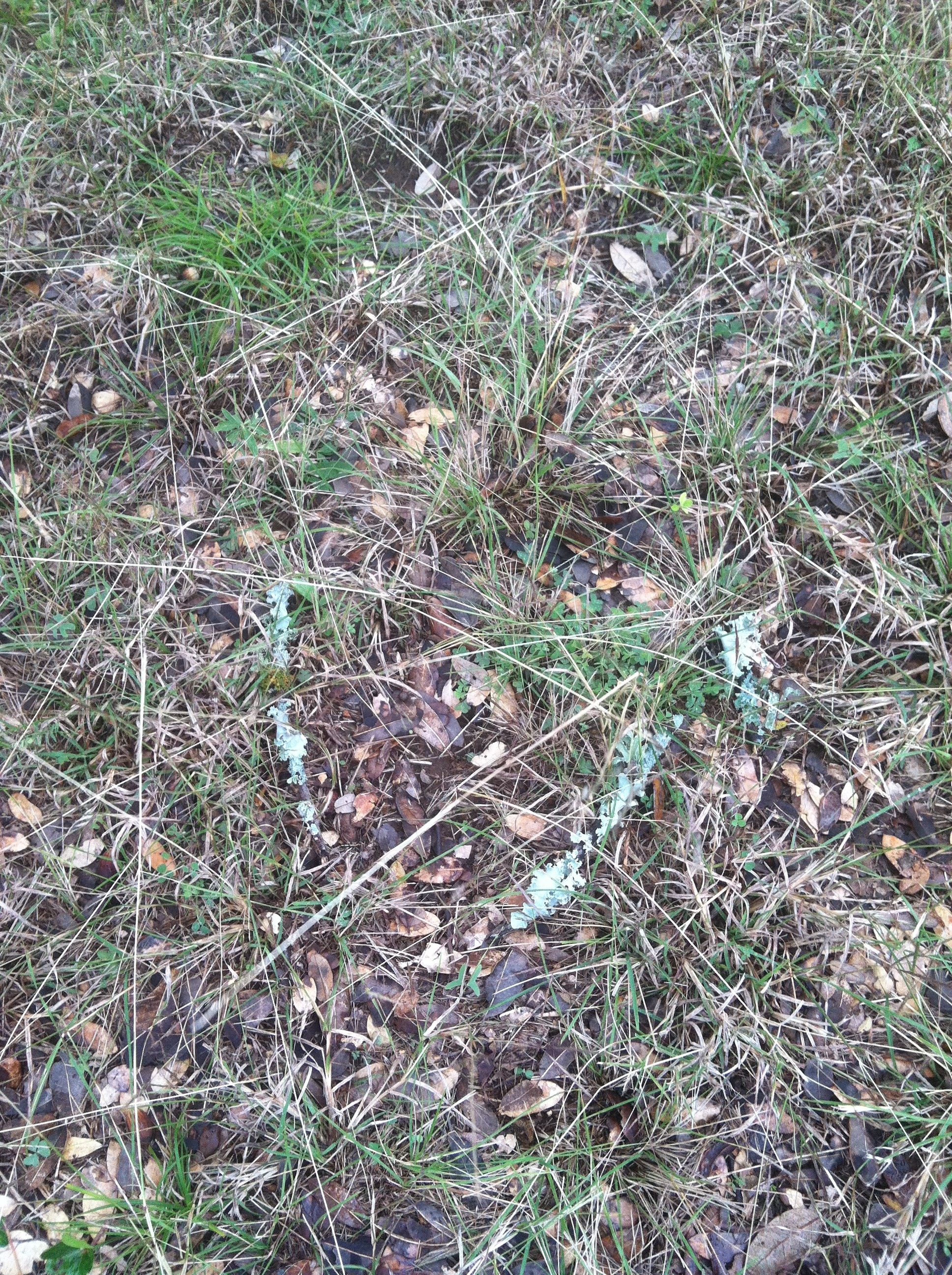
It’s a windy, cold & wet day here in the Hill Country, perfect for harvesting windfall lichen. I can finally bend over to pick up lichen without my shoulder feeling like it will fall off. Yahoo! My dye hoist has been installed on the dye patio. Once the sun comes out this week I’ll post some photos. Back to lichen gathering. See how the grey glows against the grasses?

20131126-094729.jpg